
What Happens When Smoke Detectors Chirp
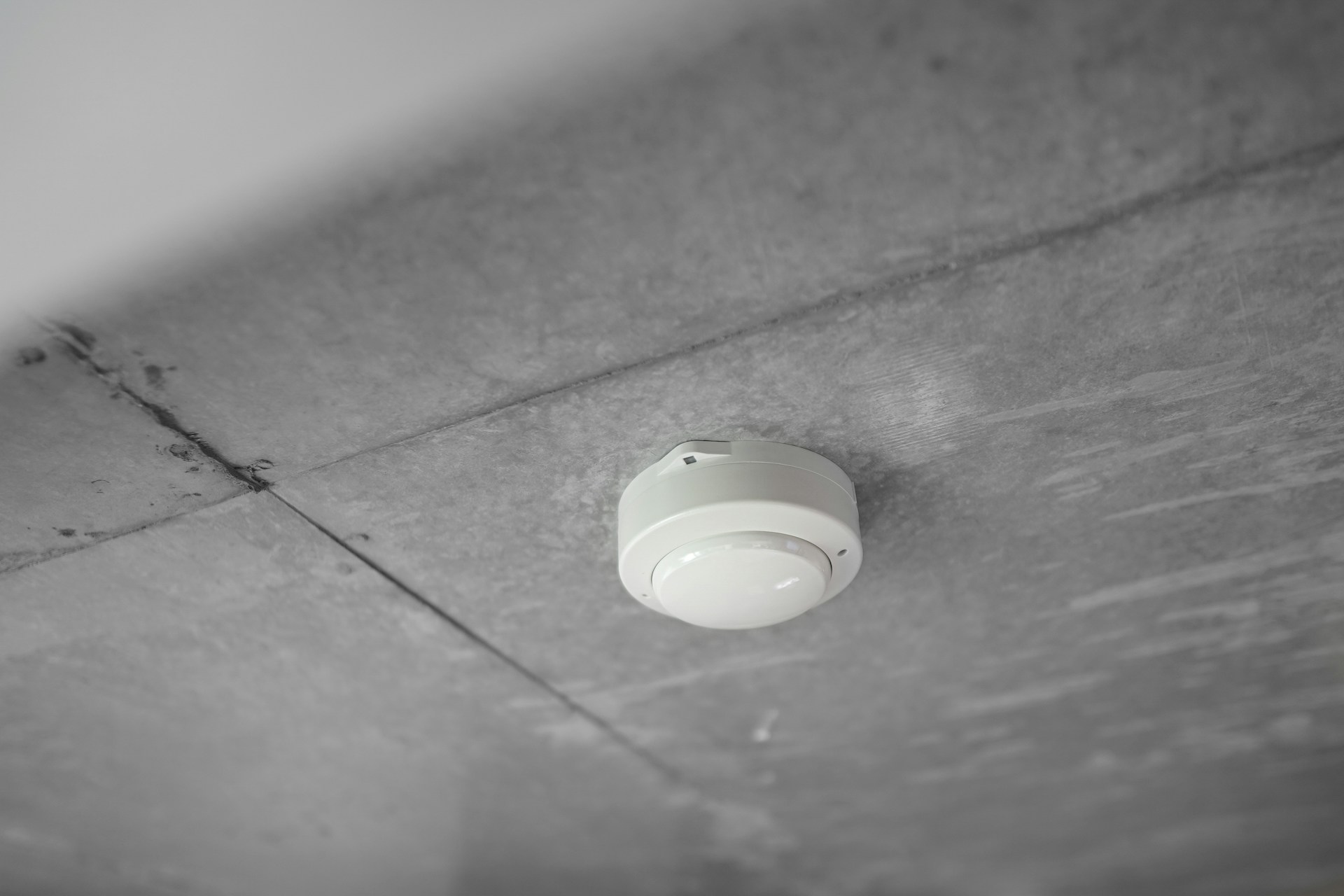
A smoke detector chirping is a sound many people notice at some point, often without warning. It usually comes across as a short, repeating noise that is different from an alarm. While it can be distracting, it is a common part of how these devices operate in homes and apartments. In most situations, the sound reflects built-in system behavior rather than a sign of danger.
Early on, people often wonder why is my smoke detector chirping, especially when everything else in the space seems unchanged. What happens when smoke detectors chirp is straightforward: the device is signaling an internal status change, not detecting smoke.
The difference between a chirp and an alarm
Smoke detectors are designed to produce more than one type of sound. An alarm is loud and continuous because it signals the presence of smoke or fire. A chirp is brief and spaced out, repeating at intervals.
The two sounds serve separate purposes. An alarm responds to conditions in the air. A chirp responds to conditions inside the device itself. This distinction allows the detector to communicate different types of information clearly.
Because the sounds are structured differently, they are not interchangeable. A chirp does not function as a reduced version of an alarm. It represents a separate category of signal.
What the sound is signaling inside the device
A chirping smoke detector is signaling that its internal monitoring system has registered a change. These devices continuously track their power source and electronic components. When the device detects that its power level has shifted or that internal components have reached a programmed threshold, it produces a short, repeating sound.
This sound is not random. It is part of the detector’s design. The chirp communicates that the unit has identified a change in its own operating condition.
In simple terms, the device is reporting on itself. It is not responding to smoke, heat, or movement. It is responding to its internal status.
Why the sound is so noticeable at home
Smoke detectors are quiet most of the time. The chirp stands out because it interrupts that quiet pattern. In a still environment, even a brief sound can feel prominent.
Residential spaces are often calm during evenings or early mornings, which makes intermittent sounds more noticeable. The repetition pattern also draws attention because it breaks the background rhythm of a room.
Smoke detectors rely on sound because it works regardless of lighting or visibility. The chirp is designed to be audible without matching the intensity of an alarm. That balance is intentional.
How smoke detectors monitor their own condition
Inside a smoke detector is a small system that performs continuous checks. Alongside the sensor that detects smoke particles, internal circuits monitor power levels and overall device function.
When these internal checks register that a power source is weakening or that the device has reached a programmed service threshold, the detector emits a chirp. The signal repeats at intervals to ensure it is heard.
This process runs automatically. The device does not wait for smoke or outside interaction to begin monitoring. Self-checking is part of normal operation.
Common assumptions that do not apply
One common assumption is that chirping means the detector is about to trigger a full alarm. In practice, the two sounds are triggered by entirely different conditions. A chirp does not escalate into an alarm on its own.
Another assumption is that the device is malfunctioning. In most cases, chirping reflects a built-in notification system rather than a defect. The sound exists because the device is designed to communicate changes internally.
It is also easy to assume the sound reflects something happening in the room. In reality, the signal originates from the unit’s own monitoring system.
What this usually represents in everyday settings
In typical residential environments, a chirping smoke detector represents routine system communication. The device has detected a change in its power level or internal status and is signaling that condition.
Because smoke detectors are standardized across many buildings, this pattern is widely experienced. It does not indicate smoke or immediate danger. It reflects how electronic safety devices are engineered to report their own condition over time.
Putting it all in context
A smoke detector chirping is a built-in status signal, not a fire alarm. It occurs when the device’s internal monitoring system detects a change in power or operating condition. The sound is brief and repeated because that pattern distinguishes it from an emergency alert. In everyday living spaces, this behavior is a normal part of how residential smoke detectors are designed to function.
Homes have a way of giving you things to wonder about. Explore more explanations for the sounds, smells, changes, and problems you notice around the house.