
What Happens When Appliances Overheat
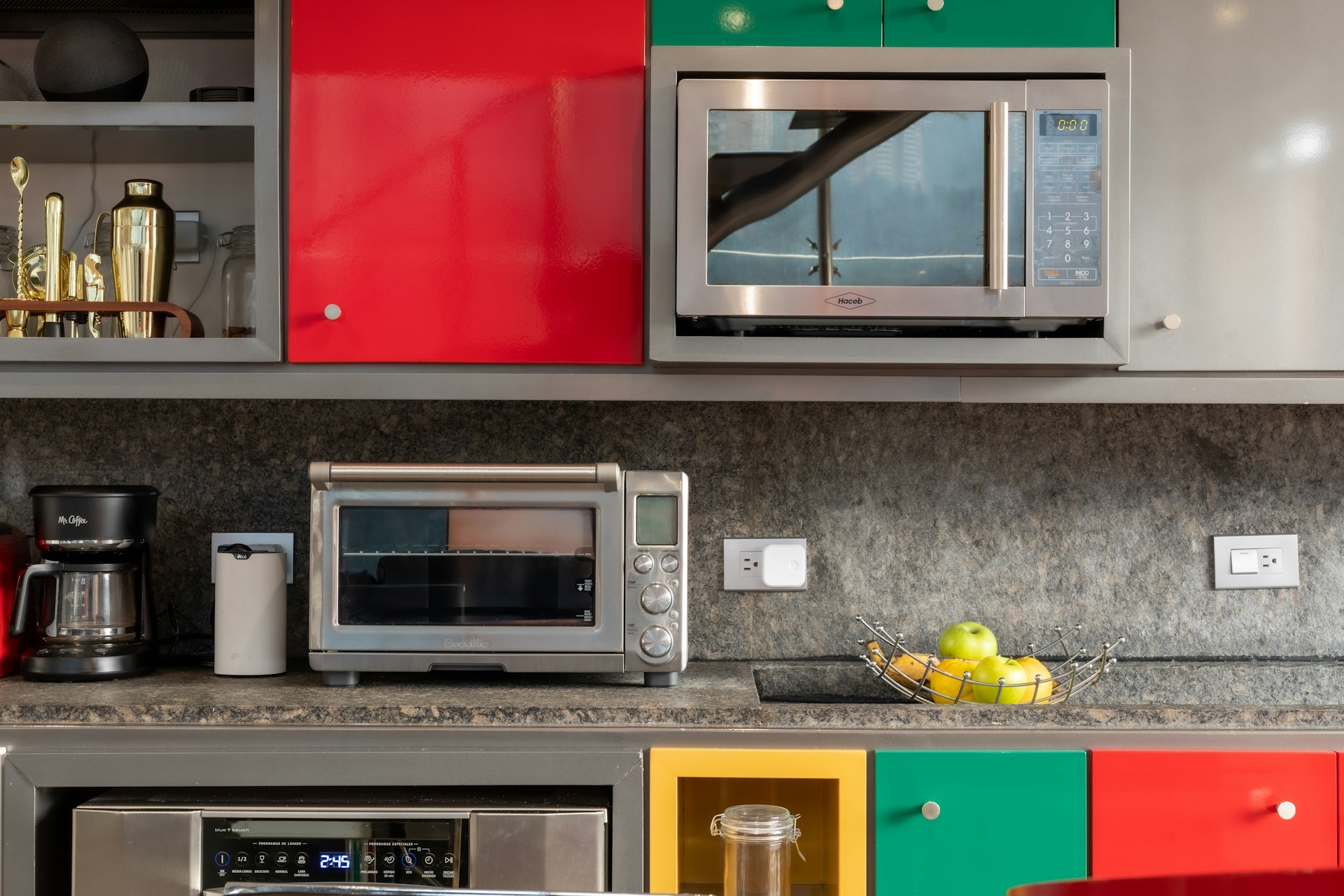
Appliances are designed to produce heat as part of normal operation, so warmth on its own is not unusual. Still, there are times when a machine feels hotter than usual, pauses mid-cycle, or seems to behave slightly differently. That shift often leads to the question of whether something is wrong. In most households, what feels like overheating is a built-in temperature response rather than a failure. Seeing how that response works makes the pattern easier to recognize during everyday use.
What overheating actually means inside an appliance
When people search what happens when appliances overheat, they are usually noticing a change in temperature or operation. Inside most appliances, electrical energy is converted into motion, light, or heat. That process naturally generates warmth. Overheating occurs when internal heat builds faster than the appliance can release it at that moment.
Appliances are designed with internal temperature limits. When those limits are reached, control systems reduce power, slow certain components, or pause operation temporarily. This behavior is not accidental. It reflects preset boundaries that manage heat during normal use.
Where overheating tends to show up first
The first signs are usually simple and observable. An appliance may feel warmer than expected along its exterior panel or near ventilation areas. A dryer door, for example, can feel warm after extended use. A dishwasher may pause briefly before resuming its cycle. Smaller countertop appliances can radiate noticeable heat while running longer tasks.
These moments often occur during routine operation. Nothing dramatic happens. Instead, the appliance adjusts quietly and continues once internal temperatures stabilize.
What’s happening inside while temperatures rise
As an appliance runs, electrical current flows through motors, heating elements, wiring, and control boards. Each of these components produces heat. To balance that heat, appliances rely on airflow, internal spacing, insulation, and materials designed to tolerate higher temperatures.
If heat accumulates faster than it dissipates, temperature sensors or internal controls register the increase. The system then responds according to its design. Some appliances reduce energy draw. Others pause until internal temperatures fall back within their normal operating range. This sequence typically occurs without visible alerts and is part of standard temperature regulation.
A similar pattern shows up in digital devices, such as in when your phone overheats, where built-in limits temporarily slow performance to manage heat.
Assumptions people often make about appliance overheating
It is common to assume that overheating automatically signals damage. In many everyday cases, it simply indicates that internal limits were reached briefly. Another assumption is that appliances should remain cool at all times. Because electrical systems convert energy into work, warmth is an expected byproduct.
Overheating is also sometimes associated with imminent failure. While serious conditions can exist in rare situations, most overheating events reflect routine system safeguards operating as designed. Recognizing this distinction helps separate normal temperature management from exceptional cases.
How appliance overheating typically appears during everyday use
For most households, appliance overheating appears occasionally rather than consistently. A machine may pause, feel warm, and then continue operating without any noticeable change afterward. Over time, these brief adjustments tend to blend into regular use.
Everyday performance and reliability are usually unchanged. Instead of signaling a breakdown, overheating commonly reflects how appliances regulate energy and internal temperature as workloads shift. It functions more as a background control process than a visible malfunction.
Putting it all in context
Appliances overheating is a common and expected part of how household machines manage heat during operation. The majority of overheating events fall within normal operation, with more serious situations being comparatively uncommon. Electrical components naturally generate warmth, and appliances are built to respond when internal temperatures temporarily exceed preset limits. These responses are typically brief and controlled. Viewed in everyday terms, overheating most often reflects standard system behavior working as intended rather than an unexpected failure.
Homes have a way of giving you things to wonder about. Explore more explanations for the sounds, smells, changes, and problems you notice around the house.