
What Does Condensation on Windows Mean
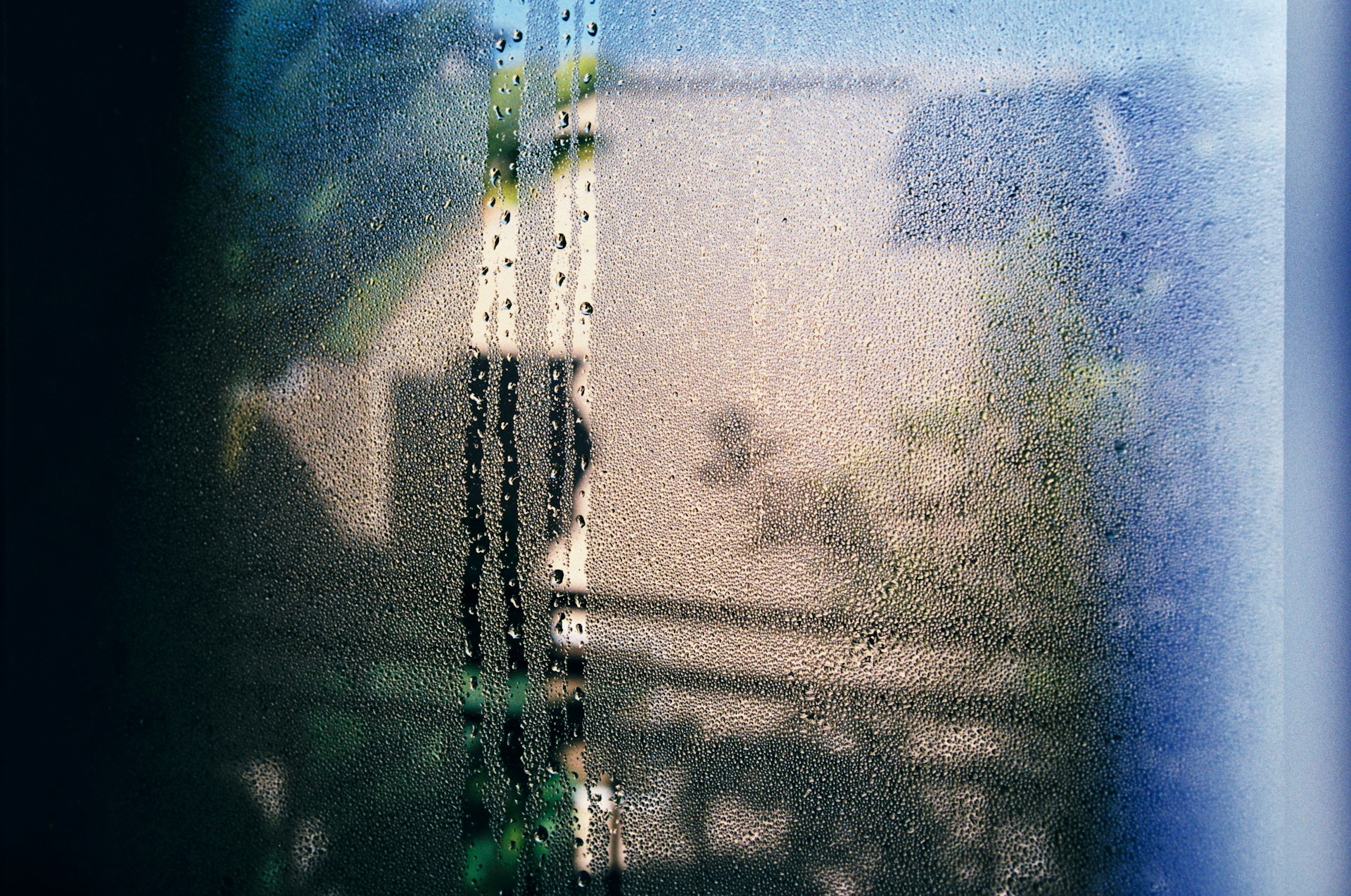
Condensation on windows often becomes noticeable when clear glass suddenly looks foggy or develops visible droplets. This change can happen overnight or as outdoor temperatures shift. The moisture may gather along the bottom edge of the pane or spread lightly across the surface. In everyday settings, this is a common physical response to changing air and surface conditions.
Why moisture in indoor air collects on cooler window glass
What does condensation on windows mean? It means that water vapor in the air has cooled and turned into liquid after touching a colder surface. Air always contains some amount of moisture, even when the room does not feel humid. When that air comes into contact with window glass that is cooler than the surrounding space, the vapor changes state and becomes visible as water droplets. The glass is not creating moisture; it is revealing moisture that was already present in the air.
Why it is often more visible in the morning or during colder weather
Condensation tends to be more noticeable when outdoor temperatures drop and window glass cools down. Overnight, glass can become significantly cooler than the indoor air near it. As warmer indoor air settles against the surface, moisture collects and forms droplets. This is why bedrooms and windows facing outside air often show condensation in the morning, especially during colder seasons.
How temperature differences between air and glass drive the process
The key factor behind condensation is the contrast between air temperature and surface temperature. Glass changes temperature more quickly than many surrounding materials, so it becomes the first place where moisture appears. When moist air meets a surface that is cooler than the air itself, the water vapor loses heat and becomes liquid. This same effect can be seen when droplets form on the outside of a cold beverage. The visible water on the glass reflects this temperature-driven shift. A similar interaction between indoor air and surface conditions is also discussed in What does static electricity mean indoors, where everyday environmental factors make invisible changes visible.
Why condensation does not automatically signal a leak or window failure
Seeing moisture on a window can lead to the assumption that water is entering from outside. In most cases, the droplets form from indoor air rather than rain or external moisture. Condensation can appear on many types of windows, regardless of age or design, depending on temperature and humidity conditions. Its presence alone does not indicate that a window is damaged or malfunctioning. It reflects how air and surfaces respond to normal environmental changes.
What condensation reveals about moisture levels in the surrounding air
When droplets form on glass, they indicate that the air near the window contains enough moisture to change state under cooler conditions. Both indoor humidity and surface temperature shift naturally throughout the day. As these factors move up or down, condensation may appear, fade, or disappear entirely. The pattern is tied to environmental balance rather than a single isolated cause. Moisture-related conditions inside buildings can also connect to broader questions such as What is mold, which explains how persistent moisture interacts with surfaces over time.
Putting it all in context
Condensation on windows is a visible sign of moisture in the air meeting cooler glass. It forms because of temperature differences and the natural presence of water vapor indoors. This interaction is common in many buildings, particularly when outdoor and indoor temperatures differ. In most cases, it reflects ordinary environmental behavior rather than anything unusual.
Homes have a way of giving you things to wonder about. Explore more explanations for the sounds, smells, changes, and problems you notice around the house.