
What Does Static Electricity Mean Indoors
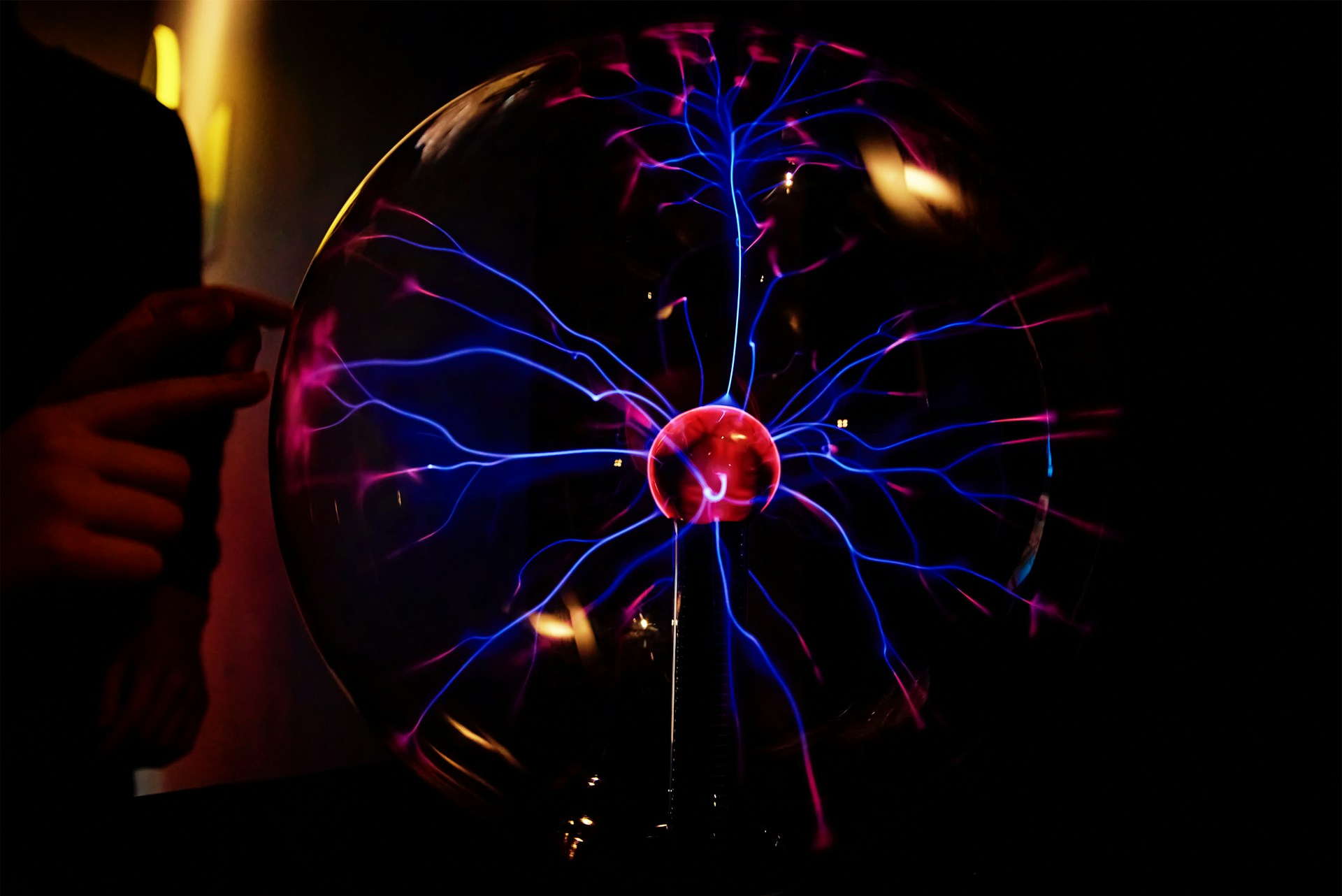
Small shocks from a doorknob, clothes that cling together, or a faint crackling sound when fabric moves often lead people to wonder what static electricity means indoors. These moments usually appear during normal indoor activity and can feel surprising. In most cases, they reflect how enclosed air, common materials, and repeated surface contact interact inside a building. Static electricity indoors is a routine environmental effect rather than a sign of damage or malfunction.
Why it becomes more noticeable in heated or enclosed rooms
Static electricity is easier to notice indoors because interior spaces tend to hold conditions that allow electrical charge to build and remain in place. Heated rooms, especially during cooler seasons, often contain drier air. With less moisture in the air, small electrical imbalances do not disperse as quickly as they would outdoors.
Walls, flooring, and furniture also create contained environments where the same materials come into contact repeatedly. In open outdoor air, natural humidity and airflow help equalize charge more quickly. Indoors, that balancing process can take longer, which makes the effect more visible.
How walking across carpet or handling laundry builds up charge
Charge buildup indoors commonly starts with ordinary movement. Walking across synthetic carpet, shifting on upholstered furniture, or separating clothing creates contact between different materials. When those materials touch and then separate, tiny amounts of electrical charge transfer from one surface to another.
Over repeated movement, that charge can accumulate on a person or object. The buildup itself is silent and invisible. It becomes noticeable only when the stored charge finds a path to balance, often through contact with metal or another surface with a different electrical state.
Why the shock often happens at a metal doorknob or appliance
The moment people recognize most clearly is the brief shock when touching a metal object. Metal conducts electricity efficiently, which allows built-up charge to move quickly from one surface to another. When a charged surface meets a conductive object, the electrical imbalance corrects almost instantly.
That quick balancing produces the familiar spark, snap, or small jolt. The sensation is short because the amount of stored charge is small. It simply reflects the point at which accumulated surface charge redistributes itself.
What is happening at the surface level inside the room
At a basic level, static electricity indoors comes from uneven distribution of electrons on surfaces. Some materials, especially certain plastics and synthetic fabrics, tend to hold extra electrons after contact. Others lose electrons more easily. When separation occurs, one surface may carry a slight negative charge while another carries a slight positive charge.
Inside a room with dry air, those charges remain on surfaces longer than they would in more humid conditions. The charge stays localized until it encounters a conductive path. Once contact occurs, the imbalance equalizes quickly, producing a brief release of energy that can be felt or heard.
Why this is separate from household wiring or powered electricity
Static electricity indoors operates independently from the building’s electrical system. It does not originate from outlets, wiring, or powered devices. Instead, it exists at the surface level and results from contact between materials.
Powered electrical systems involve continuous current flowing through controlled pathways. Static electricity involves temporary charge imbalance on surfaces. Although both relate to electricity in a broad sense, they function through different processes and are not directly connected.
What indoor static electricity usually reflects about the space
When static electricity is noticeable indoors, it usually reflects a combination of dry indoor air and repeated contact between certain materials. Enclosed rooms with heating or climate control often create these conditions naturally. The effect tends to vary from room to room depending on flooring, fabrics, and airflow.
In this context, static electricity does not point to a defect. It reflects how ordinary materials behave under typical indoor environmental conditions. As air moisture and surface interactions shift, the visibility of static electricity can shift as well.
Putting it all in the context
Static electricity indoors is a normal outcome of how air, flooring, fabrics, and surfaces interact inside enclosed spaces. When small electrical charges build up and then quickly balance through contact, they create brief, noticeable effects such as a spark or mild shock. These events are common in dry indoor environments and reflect expected material behavior rather than a system problem.
Homes have a way of giving you things to wonder about. Explore more explanations for the sounds, smells, changes, and problems you notice around the house.