
What Happens When Your Phone Gets Wet
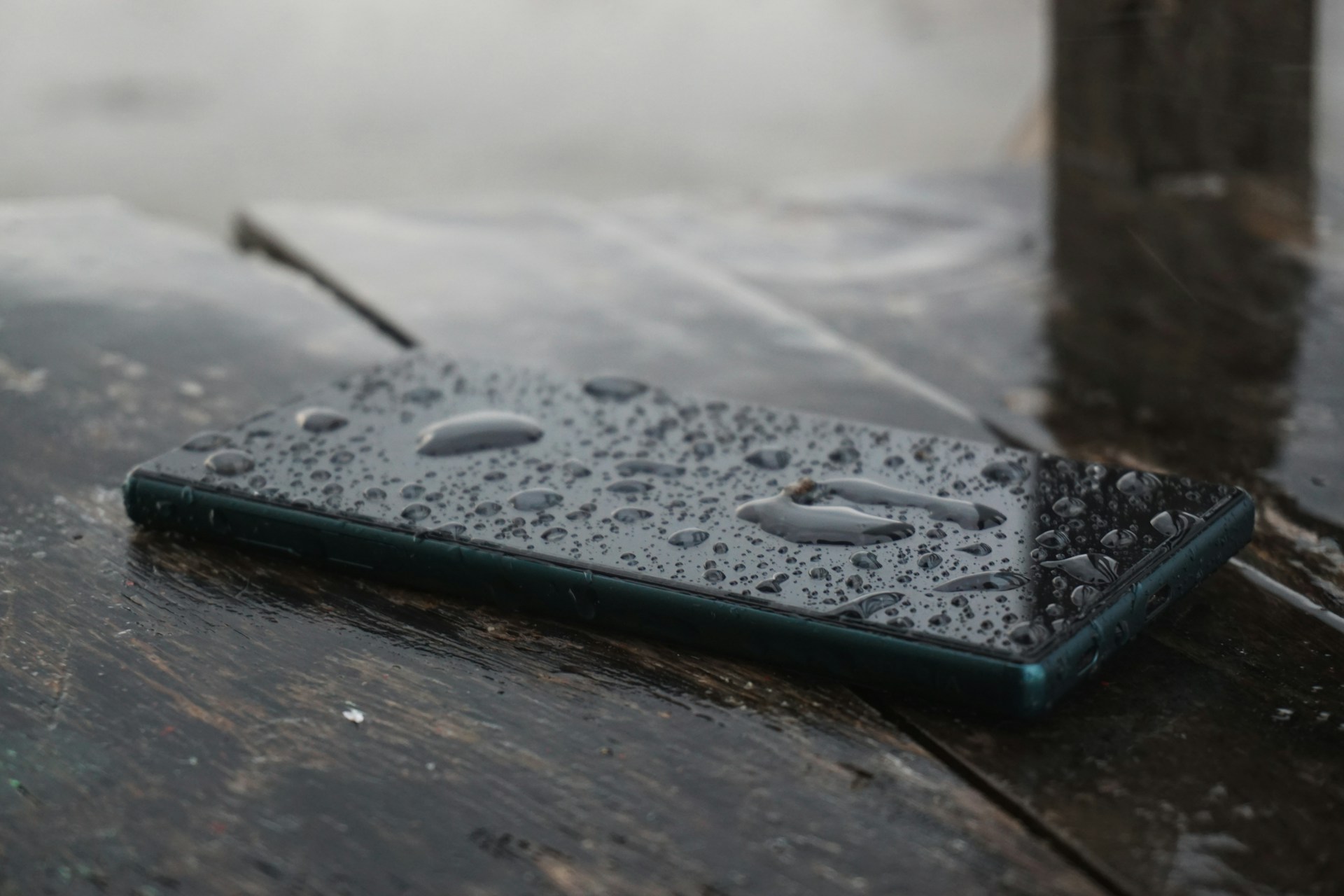
When your phone gets wet, moisture can interfere with the internal electrical pathways that allow the device to power on, charge, play sound, and connect to networks. The effects may appear immediately, or they may show up later as the liquid evaporates and leaves behind residue on internal components.
Modern phones are built with seals, adhesives, and protective coatings that reduce how much liquid reaches the electronics inside. Whether the phone continues working normally depends on how much moisture entered, which components were exposed, and how the device’s built-in protections respond.
Water can affect different parts of the phone in different ways
Phones rely on thousands of tiny electrical connections to move power and data between the battery, processor, screen, cameras, speakers, and charging port.
When liquid reaches those connections, electricity can follow unintended paths. This can interrupt normal communication between components and lead to changes such as an unresponsive screen, distorted sound, charging interruptions, or foggy camera lenses.
Different parts of the phone react independently. Moisture in the charging port may temporarily pause charging, while moisture near the speakers may affect sound quality. If the liquid reaches only one area, the rest of the device may continue working normally.
Some effects show up right away, while others appear later
A phone does not always stop working as soon as it gets wet. If the moisture reaches only a limited area, the device may continue operating with little or no immediate change.
As the liquid evaporates, minerals and other residues can remain on internal contacts. Those residues may gradually interfere with charging, audio, or wireless connections, which is why some problems appear hours or days after the original exposure.
This delayed pattern explains why two phones exposed to similar amounts of liquid can behave very differently.
Water resistance helps, but the outcome still depends on the exposure
Many modern smartphones include water-resistance ratings such as IP67 or IP68. These ratings reflect testing under controlled conditions and indicate how the device is designed to limit liquid entry.
Different liquids can produce different effects. Fresh water usually leaves behind fewer residues, while salt water and sugary drinks leave deposits that interfere with metal contacts and other components more easily.
Phones also include sensors and software that detect moisture in sensitive areas such as the charging port. When moisture is present, the operating system may temporarily pause charging or display an alert until conditions return to normal. This is similar to the way a phone manages heat and performance when your phone overheats.
A wet phone is not always ruined, and it is not always unaffected
Water exposure does not lead to only two outcomes. Some phones return to normal once the moisture evaporates. Others develop isolated changes such as reduced speaker quality or intermittent charging. In some cases, effects appear gradually as residue continues to affect internal connections.
The result depends on how much liquid entered the device, what type of liquid was involved, which components were exposed, and how the phone’s built-in protections respond. If the charging port is one of the affected areas, the behavior may resemble what happens when your phone won’t charge.
Putting it all in context
When your phone gets wet, moisture can disrupt the electrical connections that allow its components to communicate and function normally. Some effects appear immediately, while others develop after the liquid evaporates and leaves behind residue.
Modern phones are designed to limit liquid exposure and respond to moisture automatically, but the outcome still depends on the specific conditions inside the device after it gets wet.
There’s a lot packed into the phone or tablet you use every day. Explore more about its features, settings, notifications, and behaviors.