
What Is a Passport?
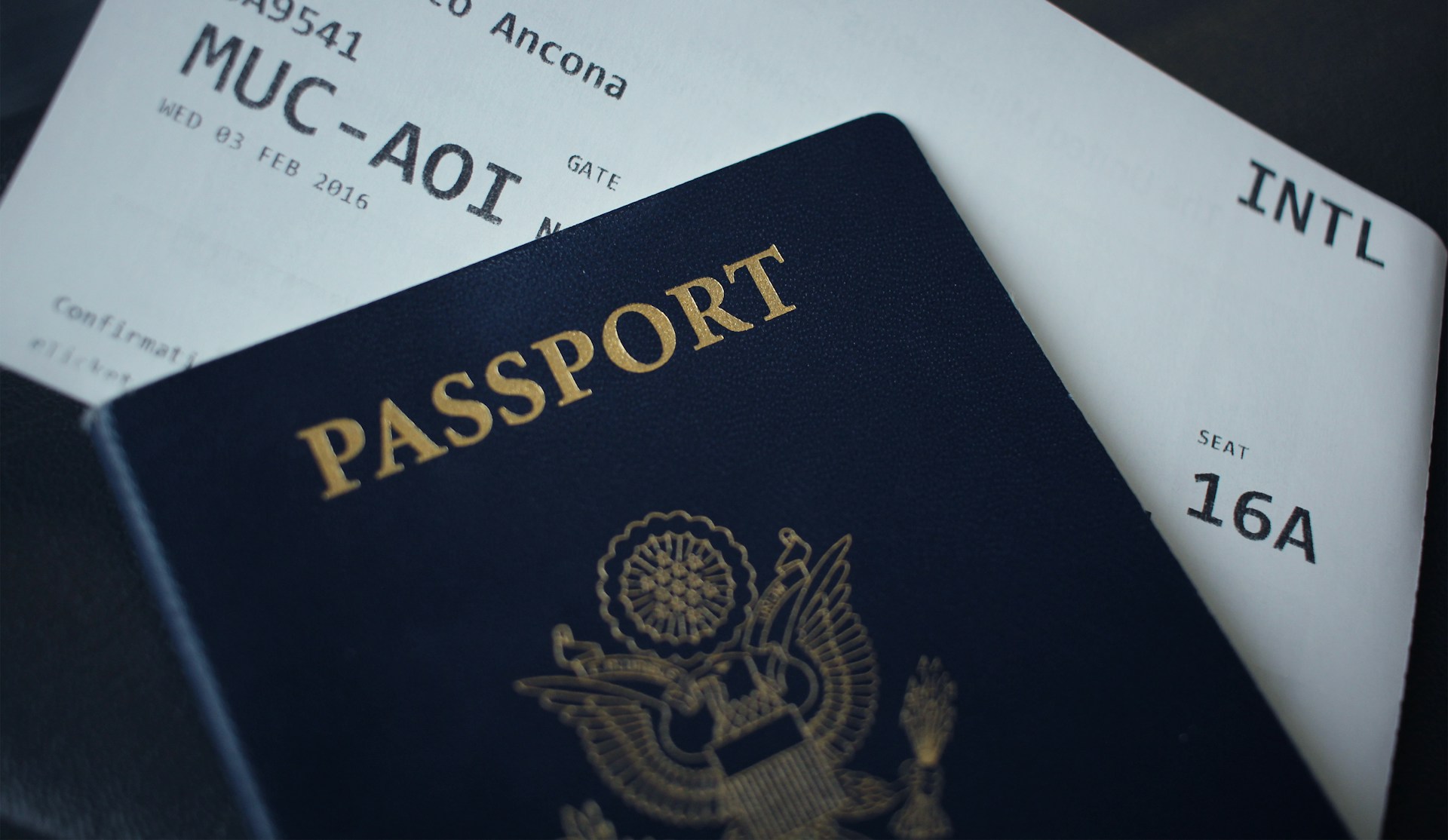
Your usual ID already tells people who you are, so it can be unclear why international travel requires something else. A passport is the document countries use to identify travelers across borders.
It is issued by a government and shows that government’s official record of who you are and what country you are a citizen or national of. It is mainly used for international travel.
More Than Everyday Identification
A passport does include familiar identifying details, such as your name, photo, date of birth, and nationality. In that sense, it works a little like other forms of ID.
But its purpose is different. A driver’s license is issued for driving and is mainly used within the country or state that issued it. A passport is made to travel with you from one country to another. When border officials look at it, they can see the country that issued it and the identity information connected to the person holding it.
That is why a passport comes up at an international airport or border crossing even when someone already has a driver’s license or another photo ID.
What It Means When It Is Checked
When a passport is scanned or looked over, officials are checking the document and matching it to the traveler. The passport gives them a standard way to identify someone arriving from another country.
It also creates a record connected to international travel. Depending on the country and the way someone enters, a passport may be scanned, stamped, or connected to an electronic entry record.
So the passport is not just something a traveler carries. It is part of how countries identify people as they move across their borders.
A Passport Does Not Automatically Mean Entry
This is the part that can be easy to miss. A passport shows who the traveler is and which country issued their travel document. It does not, by itself, guarantee that another country will admit them.
Each destination has its own entry rules. Some travelers may also need a visa, which is separate from the passport. A visa relates to permission to enter or stay in a particular country, while the passport remains the traveler’s identity and nationality document.
In other words, the passport answers, “Who is this person, and which country issued this document?” A visa or entry decision answers a different question: “Can this person enter here under this country’s rules?”
Why Passports Look So Similar
Passports from different countries can look different on the outside, but they tend to contain the same basic kind of information. That makes them easier for border officials in many places to recognize and use.
Most are small booklets with an information page showing the holder’s photo and personal details. The booklet format also leaves room for entry stamps or visas when those are used.
Some countries issue other travel documents or passport cards for limited purposes. Those can be related to a passport, but they are not always interchangeable with a passport book for every kind of international trip.
The Simple Way To Think About It
A passport is a government-issued document designed for crossing international borders. It identifies the person carrying it and shows the country that recognizes them as a citizen or national.
That is why it matters in a different way from the ID used in everyday life. It is the document that connects a traveler’s identity to international travel.