
What Is Customs?
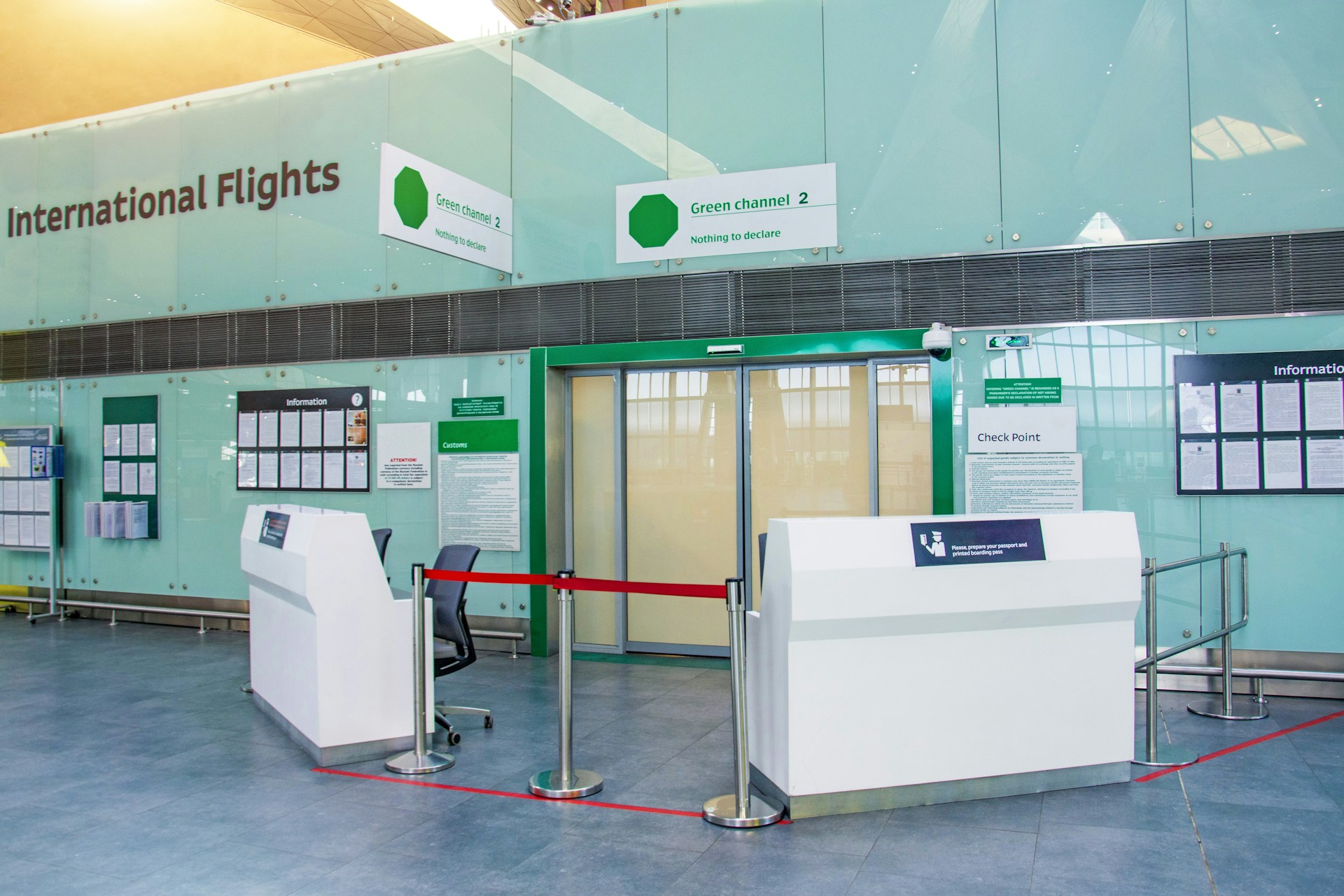
Customs is the part of crossing a border that deals with what you’re bringing with you.
That could be the clothes in your suitcase, gifts you bought during your trip, food packed in your bag, or something a company is shipping into the country. Every country has rules about what can cross its borders. Some things aren’t allowed in at all, some need to be declared, and some may come with a tax or duty.
So when an officer asks whether you’re carrying food or whether you bought anything while you were away, they’re not just making conversation. They’re trying to find out whether anything you have falls under those rules.
Why Customs Gets Confused With Immigration
People often say they “went through customs” when they mean the entire process of entering another country. That might include showing a passport, answering questions about the trip, collecting luggage, and then passing through the customs area.
Those parts can all run together, especially when they happen in the same airport or are handled by the same agency. But customs and immigration aren’t quite the same thing.
Immigration is the part that deals with your entry into the country. Customs deals with the things entering along with you.
That’s why passport and visa questions usually belong to immigration, while questions about purchases, food, or the contents of a suitcase belong to customs.
What It Means To Clear Customs
Clearing customs doesn’t always mean an officer opens your suitcase and inspects everything inside. It may only mean completing a declaration, answering a few questions, or walking through a lane marked “Nothing to Declare.”
You’re still going through customs even if no one checks your bag. The country is giving you a point where anything that needs to be declared can be identified. If there’s no reason for a closer look, the process may be very brief.
An inspection is simply one thing that can happen during customs. It isn’t the whole meaning of customs.
Why Certain Things Matter
Customs questions can seem oddly specific until you know what officials are looking for.
Food, plants, and animal products may be controlled because they can carry pests or diseases. Some purchases may be subject to duties. Large amounts of currency, commercial goods, and restricted items may have their own declaration requirements.
The rules aren’t identical everywhere, which is why the questions and the way customs works can change from one country to another. But the reason behind it stays fairly consistent: the country wants to know what is crossing its border.
Customs Isn’t Only For Travelers
You can also run into customs without leaving home.
When a package comes from another country, it goes through customs too. If tracking says the package is “in customs,” its contents or paperwork may be under review before it can continue through the delivery system. There may also be import charges attached to it.
It’s the same basic idea as the customs area at an airport. The difference is that the item crossed the border on its own instead of arriving in someone’s luggage.