
What Happens During a Customs Inspection?
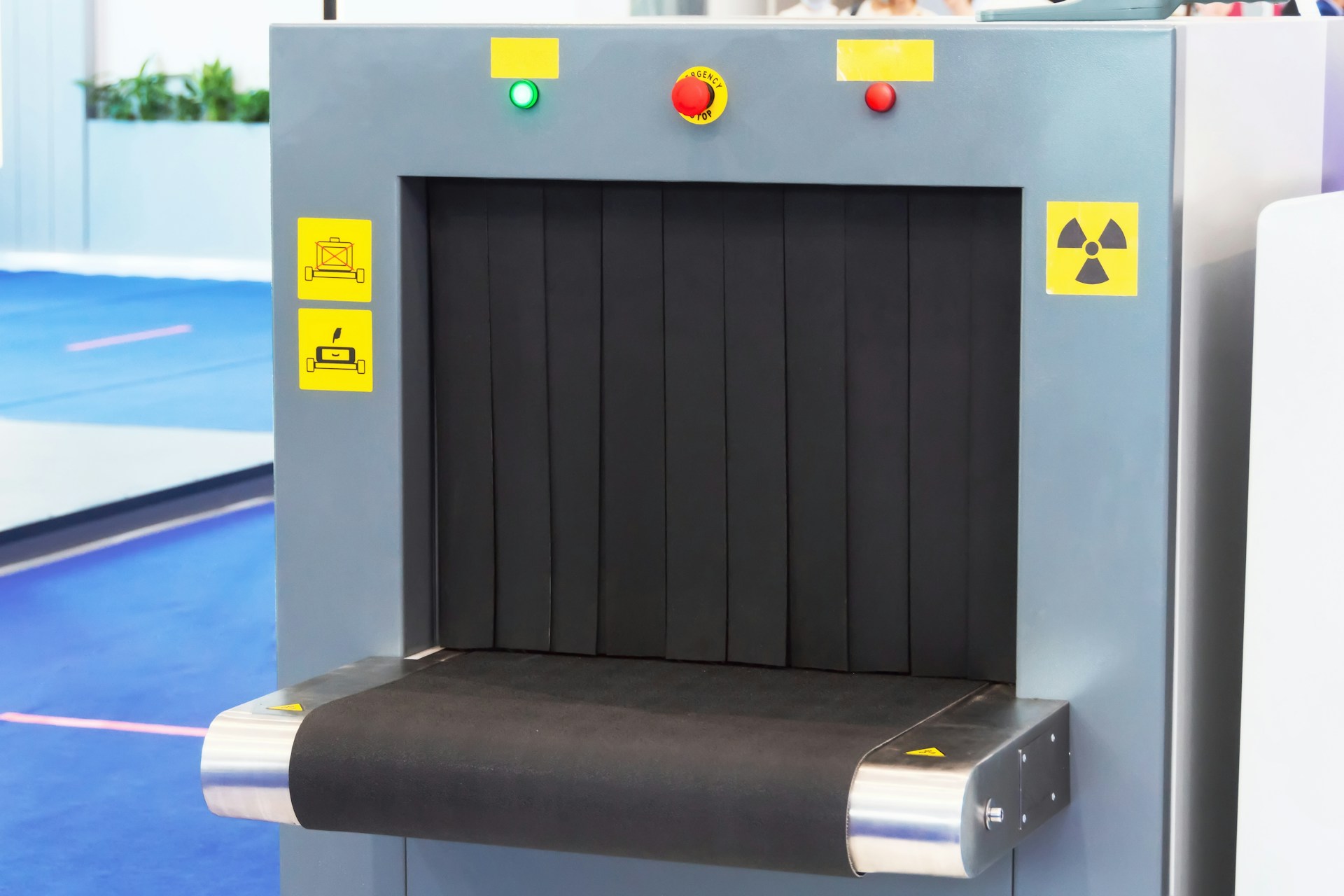
If an officer directs you aside after you arrive or starts asking more questions about what is in your bags, it can feel like something has gone wrong. Usually, it means customs is taking a closer look at the items entering the country and comparing them with the information provided during arrival.
The inspection might be very brief. An officer may ask about a purchase, food item, gift, or other belonging, then move on. In other cases, they may open luggage or look more closely at particular items. What happens depends on what needs to be checked.
It Is About What You Are Bringing In
Customs focuses on goods crossing the border with a traveler. That includes things bought abroad, gifts, food, alcohol, cash, personal belongings, and sometimes items that do not seem unusual at first glance.
The officer is generally checking whether an item is allowed into the country, needs to be declared, or raises a question that needs a clearer answer. So the conversation may be less about the trip itself and more about what is packed in a suitcase.
That is why a seemingly ordinary question can come up. An item may be fine to carry for personal use but still be something customs needs to identify more clearly.
A Closer Look Can Be Part of the Normal Process
Not every traveler has the same arrival experience. One person may answer a few questions and leave the customs area right away, while another is asked to step aside for a bag check.
Being selected for an inspection does not automatically mean the officer believes the traveler did something wrong. Customs officers can inspect luggage as part of border processing, including when they need to confirm a declaration or take a closer look at an item.
The inspection can start with conversation. If the answer clears up the question, there may be no need for anything more. If an officer needs to see an item or confirm what is in a bag, that is when the inspection becomes more hands-on.
Customs Is Different From Passport Control
The arrival process can blur together because it often happens in the same area of an airport or border crossing. But passport control and customs are checking different things.
Passport control, sometimes called immigration, is focused on the traveler: who they are, where they are coming from, and whether they can enter the country. Customs is focused on what the traveler is bringing with them.
A traveler may go through both parts of the process without noticing much difference between them. But if someone is asked about a suitcase, a purchase, or a declaration, that is usually the customs side of the arrival process.
Why the Questions Can Feel So Specific
Customs does not only deal with expensive purchases or duty. It also looks at goods that may be restricted, subject to entry rules, or require closer review. That is why an officer might ask about something as ordinary as snacks, souvenirs, or an item that was packed for the trip.
The point is not always to find a problem. Sometimes the officer simply needs enough information to understand what an item is and why it is entering the country. Once that is clear, the inspection may be over just as quickly as it began.