
What Is a Peer to Peer Payment?
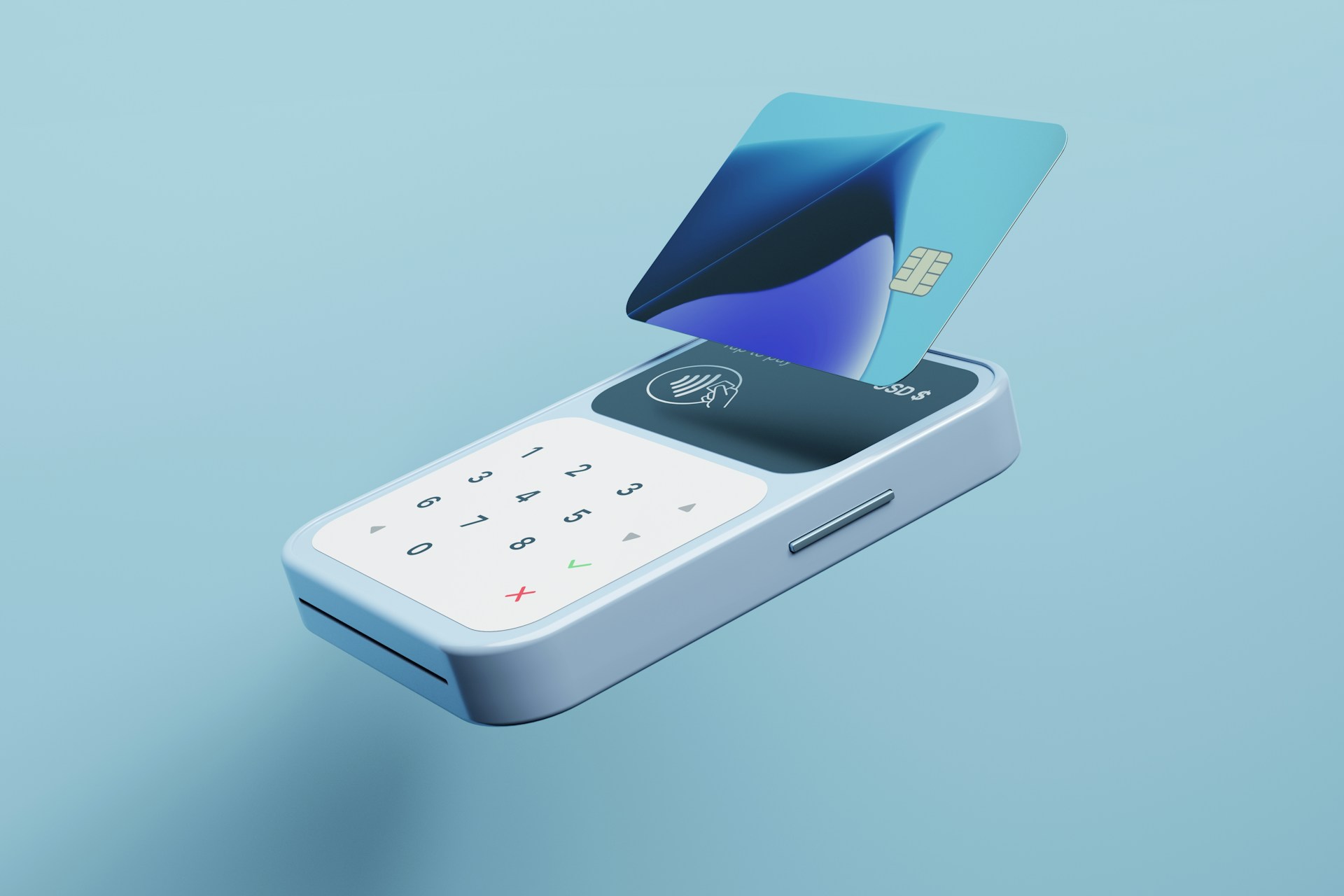
A peer to peer payment is a digital transfer of money from one person directly to another using a payment service or banking app. Instead of using cash or writing a check, the sender authorizes the transfer through the service, which verifies the transaction and transfers the money between accounts or balances. The exact path the payment follows depends on the provider, but the purpose is always the same: moving money electronically from one individual to another.
The payment moves through a digital payment platform
A peer to peer payment begins when one person selects a recipient, enters an amount, and approves the transfer in a payment app or online banking service. The platform identifies the recipient, confirms the payment details, and processes the transaction using its payment network.
Some services transfer money directly between linked bank accounts, while others use a stored balance as part of the process. These differences affect how the payment is handled behind the scenes, but they do not change the basic function of sending money from one person directly to another through a digital service.
These payments are used for everyday person-to-person transfers
Peer to peer payments are designed for transactions between individuals rather than purchases from businesses. They are commonly used when friends split the cost of a meal, roommates share household expenses, family members exchange money, or one person reimburses another after paying a shared bill.
They are also used for informal purchases between individuals, such as buying a secondhand item from someone locally. Although banks and independent payment companies may offer different features, both provide a way to transfer money electronically between people without exchanging cash or writing a check.
Several systems help complete the transfer
Behind every peer to peer payment, multiple systems work together to complete the transaction. After the payment is approved, the service confirms the selected funding source, securely processes the transfer, and updates the sender’s and recipient’s accounts according to how that platform operates.
Depending on the provider, the payment may move through banking networks, the platform’s own payment system, or a combination of both. While these processing methods differ, they all perform the same basic task of transferring money electronically between two individuals.
Not every digital payment is a peer to peer payment
A common misunderstanding is that every payment made with a phone or computer is a peer to peer payment. In practice, the term refers specifically to money sent from one individual to another. Payments made to retailers, subscription services, utility companies, or other businesses are generally processed through different types of payment systems.
Another point of confusion is that all peer to peer payment services work the same way. Providers may differ in how they fund payments, process transfers, or make funds available, even though the overall purpose of the service remains the same. A transfer may also appear as pending before it is completed, depending on how the payment service processes the transaction.
Peer to peer payments are one part of electronic payments
Peer to peer payments are one category within the broader electronic payment system. Other electronic payment methods are designed for different purposes, such as paying businesses, receiving income, or transferring money between financial accounts. What distinguishes a peer to peer payment is that it is specifically intended to move money directly from one individual to another. Some services also allow payments through a digital wallet, although the payment itself is still processed according to that provider’s system.
Putting it all in context
A peer to peer payment is an electronic transfer of money between two individuals using a payment service or banking app. Although providers use different payment networks and processing methods, they all perform the same basic function of moving money directly from one person to another as part of the broader electronic payment system. The money used for these transfers may come from a linked account or an available balance, depending on how the payment service is set up.
There’s more to everyday banking than what shows up in your balance. Explore more about how payments, deposits, transfers, and bank accounts work.