
Why Do Muscles Twitch?
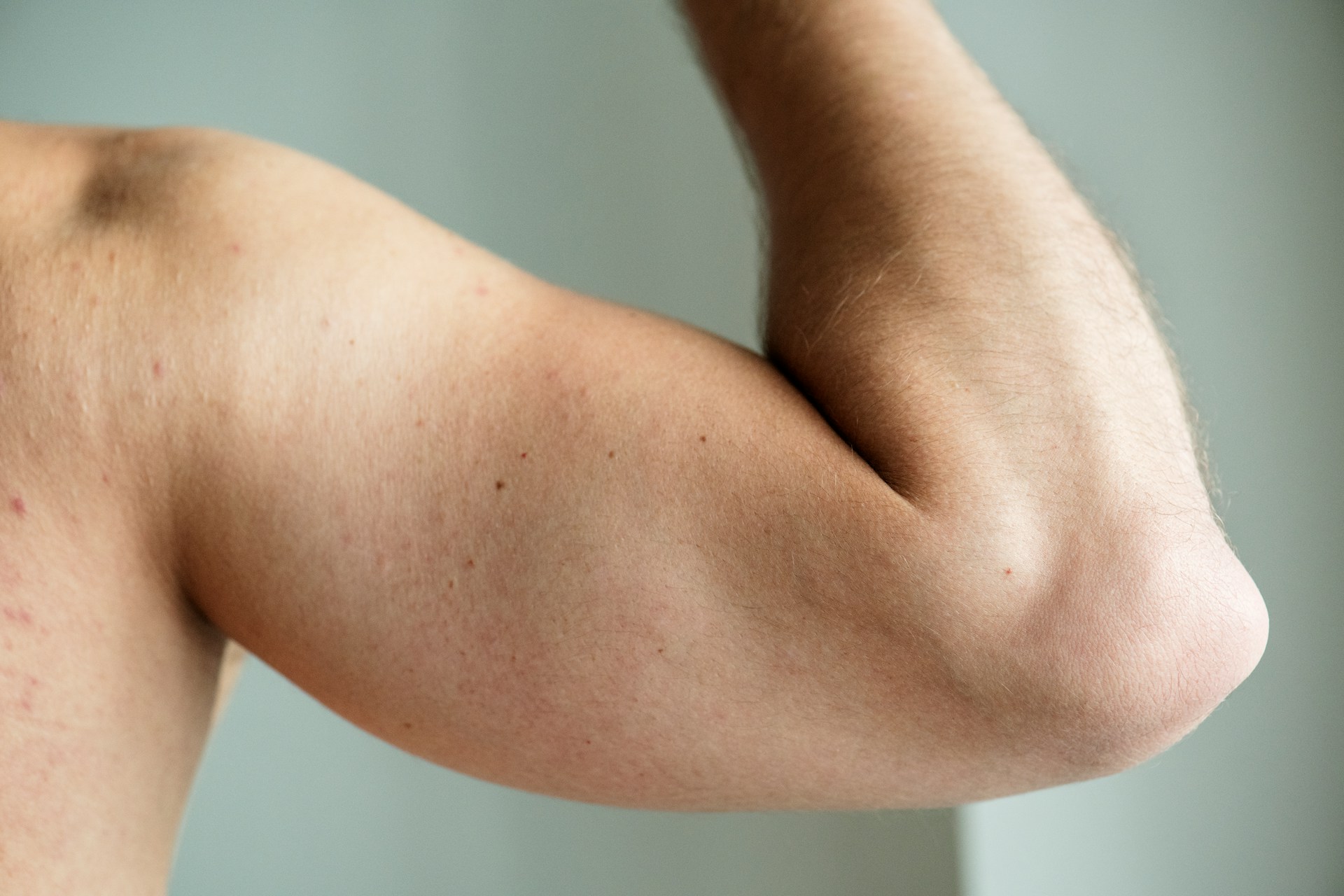
You are sitting perfectly still and suddenly you see part of your calf jump, or feel a quick flutter in your thumb that you didn’t tell it to make. It seems like the muscle is doing its own thing.
It is. For a moment, the nerve that controls a small part of that muscle sends a signal without a deliberate movement from you. The muscle fibers attached to that nerve tighten, then let go. That quick contraction is the twitch you see or feel.
A Small Part of the Muscle Is Moving
Muscles do not all move as one solid piece. They are made of many bundles of fibers, with nerves controlling them in smaller groups. A brief extra signal can activate one of those groups without moving enough of the muscle to bend a joint or change what you are doing.
That is why a twitch can look so specific. A little section of your calf may seem to roll under the skin, or one spot near your eye may flutter, while the rest of the muscle stays quiet.
The closer the muscle is to the surface, the easier the movement can be to notice. A twitch in a calf, eyelid, hand, or foot may be obvious simply because there is not much between the moving fibers and the skin.
Why It Can Happen When You’re Resting
Resting does not mean the nerves connected to your muscles have stopped working. They are still maintaining communication with the muscle and helping your body stay ready to move. Every so often, one can fire a small, unplanned signal.
Stillness also gives a twitch more room to stand out. When you are walking, typing, carrying something, or otherwise moving on purpose, tiny contractions blend into everything else. Sitting on the couch or lying in bed makes that same little movement much harder to miss.
Why It May Show Up After Exercise or During a Tired Week
Muscles and nerves are constantly adjusting to what your body has been doing. After exercise, a muscle has been receiving lots of signals and may be more likely to give a brief visible response as that activity settles down.
Tiredness, stress, and caffeine can also make the nervous system more reactive. That does not mean every twitch has one clear cause. It just helps explain why someone might notice an eyelid flutter during a busy week, or a calf twitch after doing more activity than usual.
A Twitch Isn’t the Same as a Cramp
A twitch is a quick, small movement in part of a muscle. It may be visible, but it does not usually pull the muscle into a tight, painful position.
A cramp is different. With a cramp, much more of the muscle contracts and stays tight for longer, which is why it can feel like a hard knot. A sudden whole-body jolt while falling asleep is different again. The word “twitch” gets used for all of these, but the small flutter in one spot is its own kind of movement.
So the strange little jump is not your muscle making a decision on its own. It is a brief signal from the nerve to a small group of muscle fibers, noticeable enough to catch your attention and then gone.
This article is for informational purposes only and is not a substitute for professional medical advice.