
Why Do Joints Crack?
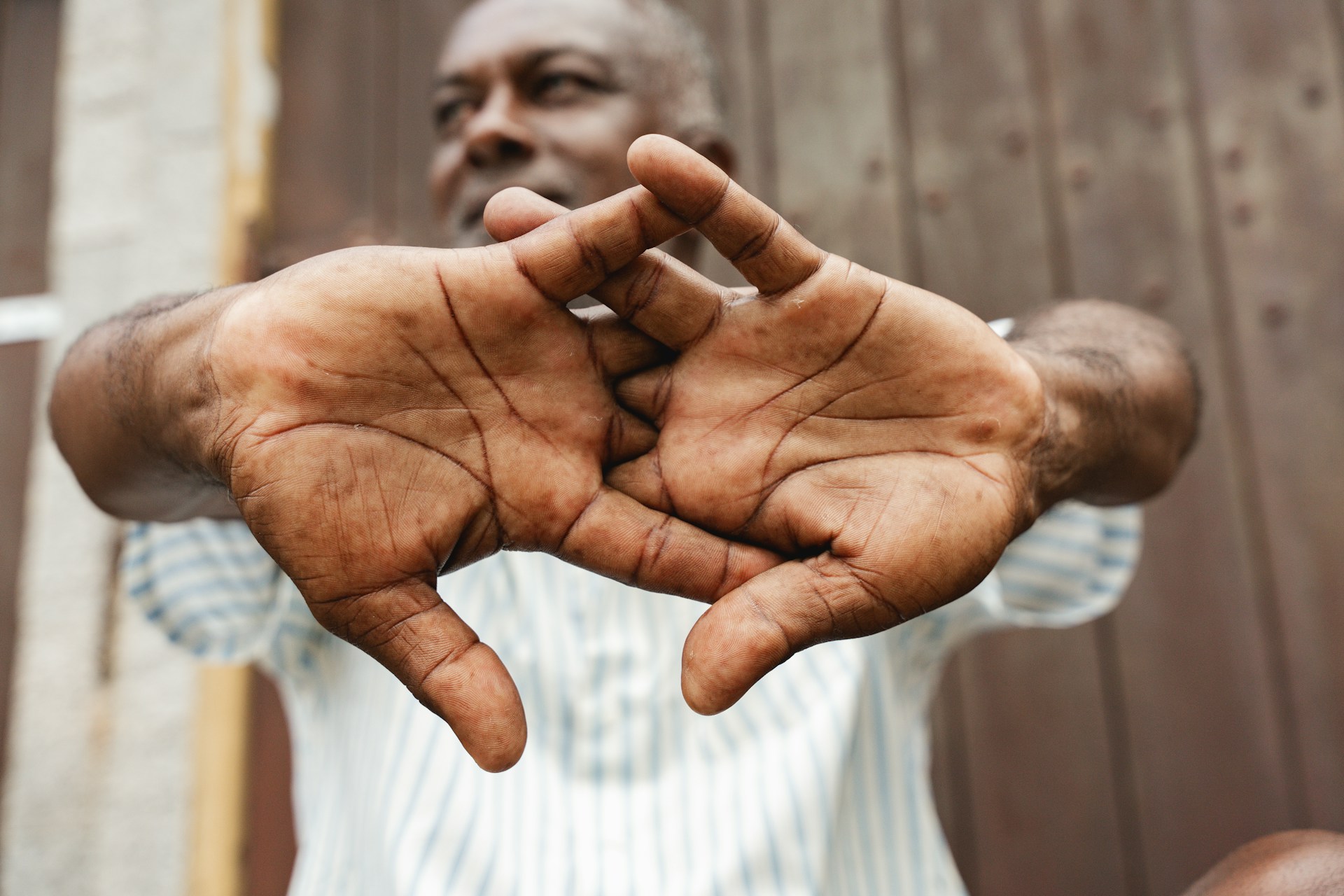
That sharp crack you hear from a knuckle isn’t the sound of bones knocking together. It’s caused by a rapid pressure change inside the joint as the bones move apart. Other joint noises, especially clicks and snaps that happen repeatedly when you move, can come from tendons or ligaments shifting around nearby structures.
So when we call all of these sounds “cracking,” we’re actually lumping together a few different things.
A Knuckle Crack Starts With Pressure
Joints like your knuckles have a small space between the bones filled with synovial fluid. That fluid helps the joint surfaces move smoothly, and it also contains dissolved gases.
When you pull or bend a knuckle far enough to separate the joint surfaces slightly, the pressure inside that space drops very quickly. That sudden pressure change causes a gas-filled cavity to form in the fluid, producing the familiar crack at essentially the same moment. The process is called cavitation.
That’s also why you generally can’t crack the same knuckle again immediately. The conditions inside the joint have changed, so it takes some time before the same pressure-related event can happen again.
Not Every Click Comes From Inside The Joint
A knee that clicks every time you bend it or an ankle that snaps during the same movement is a little different. Tendons and ligaments run around joints, and as the joint changes position, these tissues can shift across nearby structures.
That movement can create a click or snap. Because the tissue can move in a similar way each time you repeat the motion, the sound can repeat too.
This is the main reason “joint cracking” doesn’t have one explanation. A one-time knuckle pop and a repeatable knee click may sound like versions of the same thing, but the mechanics behind them can be different.
The Sound Is A Result Of Movement
The easiest way to think about joint noises is that movement changes something either inside the joint or around it. Sometimes that change is a sudden drop in pressure. Other times it’s a tendon or ligament changing position as the joint bends or rotates.
That’s why joints can pop, click, or snap without the bones themselves having to bang together. The sound is coming from the mechanics of the joint and the tissues around it as they move.
This article is for informational purposes only and is not a substitute for professional medical advice.