
Why Do Muscles Cramp?
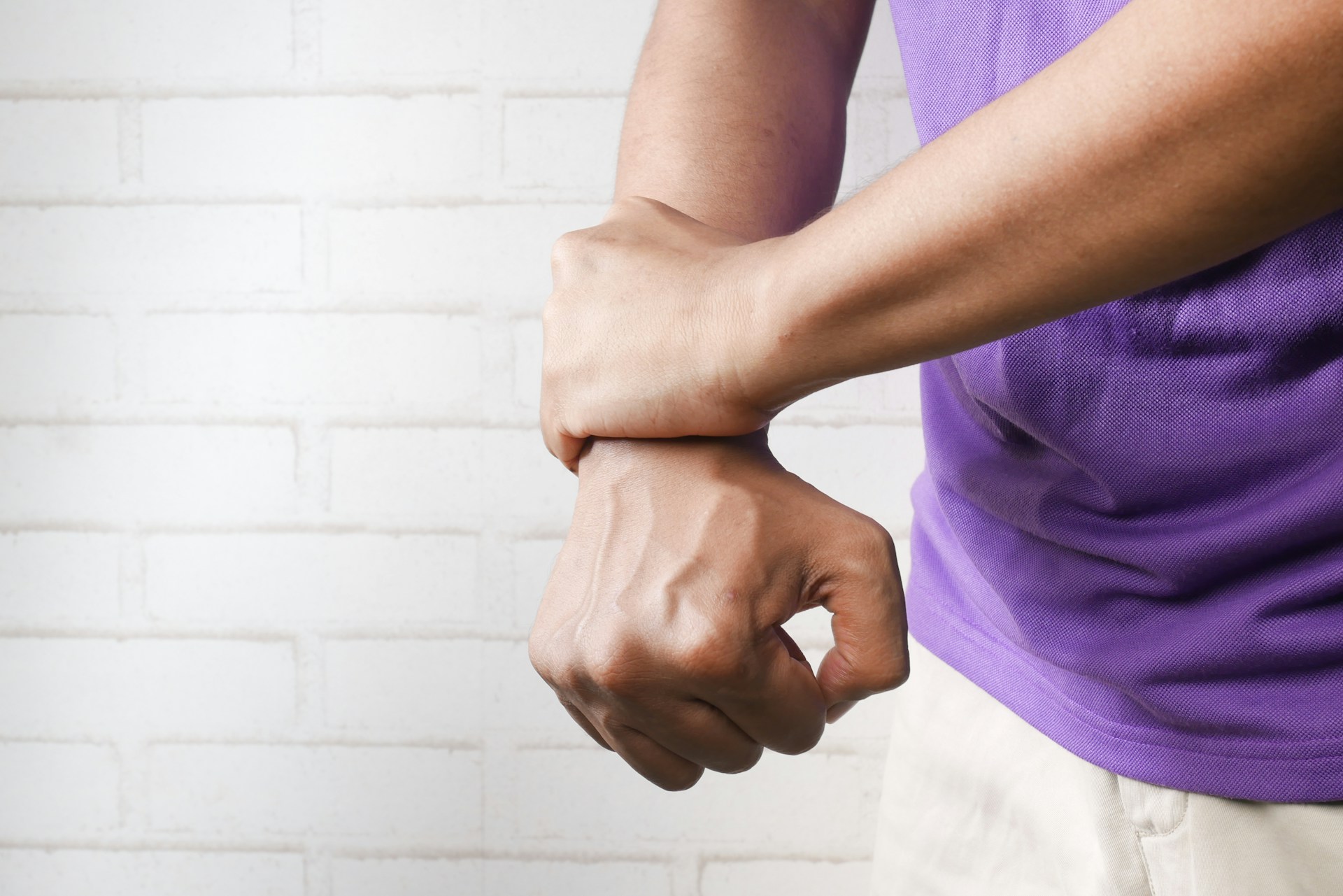
A muscle cramp is basically a muscle getting stuck in the “contract” part of a movement. Instead of tightening and then releasing as it normally would, it keeps pulling. That’s why a calf or foot can suddenly feel hard, painful, and almost impossible to move even though you didn’t deliberately tense it.
The muscle isn’t permanently locked, but for that brief period, the signals telling it to contract are stronger than the signals allowing it to relax. Once that activity settles, the muscle releases and starts working normally again.
The Muscle Keeps Pulling When It Should Let Go
Your muscles tighten and relax all day without drawing attention to themselves. When you take a step, bend your knee, or move your toes, nerves tell certain muscle fibers to contract. Those fibers shorten to create movement, then release when their part of the movement is finished.
A cramp interrupts that back-and-forth rhythm. Many fibers in the same muscle contract together and keep pulling instead of releasing on schedule. You feel the result as a sudden knot because the muscle really has become shorter, tighter, and firmer beneath the skin.
That also explains why moving the affected area can be so difficult. A muscle that is already contracting as strongly as it can’t respond normally to another movement. Until it lets go, it may feel as though the muscle has temporarily taken control of that part of the body.
Tired Muscles Are Easier To Trigger
There isn’t one cause behind every cramp, but muscle fatigue is often part of the explanation.
Your muscles and nerves are constantly exchanging information about how much force is needed and when a contraction should stop. As a muscle becomes tired, that control can become less balanced. The muscle may be easier to trigger and slower to release, making an involuntary contraction more likely.
This is why a cramp can arrive near the end of strenuous or repetitive activity. It can also show up later, after the activity has ended. A calf that worked hard during the day may not cramp until you’re resting in bed that night.
The position of the muscle can add to this. Pointing your toes shortens the calf and some of the muscles in the foot. If one of those muscles is already tired or easy to trigger, it doesn’t have to shorten much more before it bunches into a cramp. That’s why a small movement in bed can sometimes set off a surprisingly strong contraction.
Dehydration Isn’t The Only Explanation
It’s common to assume that a cramp automatically means you’re dehydrated or low on potassium, magnesium, or another electrolyte. Fluid and electrolyte losses can contribute to cramping in some situations, especially when activity involves heat and heavy sweating. But they aren’t responsible for every cramp.
Cramps also happen when a person is well hydrated, during ordinary movement, and while the body is resting. Nighttime cramps often don’t have one obvious cause at all. Fatigue, muscle position, nerve activity, heat, and fluid loss may matter in different combinations depending on the situation.
So the same kind of painful contraction can happen for different reasons. What the cramps share is not necessarily one trigger. It’s the temporary failure of the muscle to release when it normally would.
Why It Feels Like A Knot
During a cramp, many muscle fibers are pulling tightly in the same place. That concentrated contraction creates the hard area you can sometimes feel or even see under the skin. The stronger the contraction, the more painful and stuck the muscle may feel.
When the contraction finally releases, the knot softens and movement returns. The muscle may still feel tender because it has just gone through a short but unusually forceful burst of work. Even though you didn’t choose to contract it, the fibers were pulling hard enough to leave behind the same kind of temporary soreness that can follow other intense muscle activity.
This article is for informational purposes only and is not a substitute for professional medical advice.