
Why Do Scars Form?
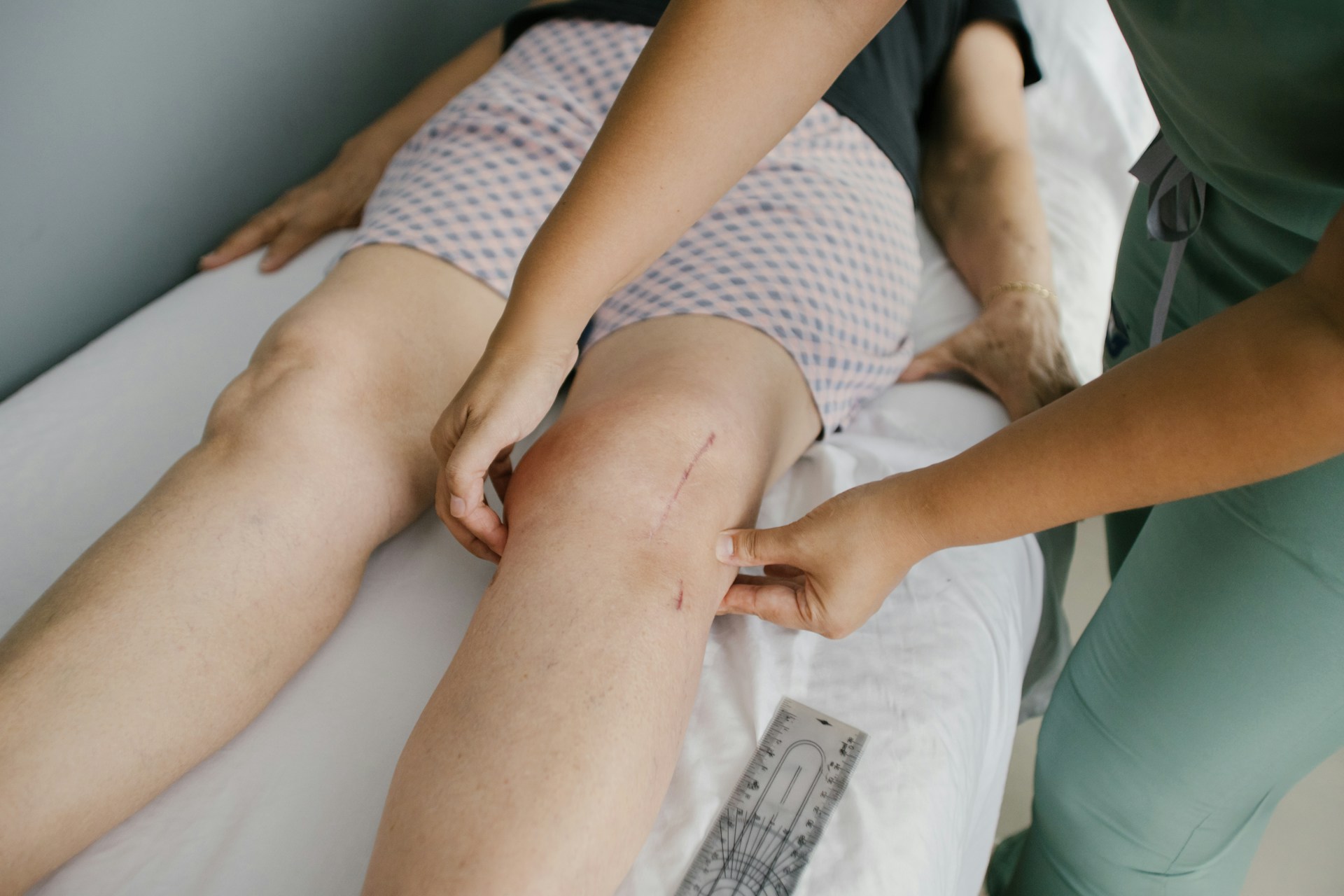
It’s hard to tell from a fresh cut whether it’ll eventually disappear or leave a mark. The depth of the cut has a lot to do with it, because the deeper layers of skin can’t simply replace themselves the way the surface can.
When an injury goes below the surface, your body has to repair the damaged area without rebuilding every part of the original skin exactly. Its priority is to close the opening and make the area strong again. A scar is the tissue that gets that job done.
Why Some Injuries Leave A Mark
A light scratch may disappear without a trace because it only affects the upper part of the skin. Those surface cells are replaced all the time, so the area can return to looking much as it did before.
A deeper cut is harder to restore that neatly. Once the damage reaches the dermis, the supportive layer beneath the surface, your body has more than a few missing skin cells to replace. It has a gap to fill.
That’s when it starts producing extra collagen. Collagen is a strong protein that helps hold your skin together. At the damaged spot, it acts a little like repair material, filling the space and helping reconnect the tissue.
The important part is that your body is focused on making a solid repair. It isn’t carefully recreating every tiny feature that used to be there.
Why Scar Tissue Looks Different
Regular skin has a complex arrangement of collagen, hair follicles, sweat glands, blood vessels, and other structures. The tissue used to repair a deeper wound is simpler.
Its collagen fibers are arranged differently, and the new tissue may not contain all the same structures as the skin around it. That’s why a scar can look smoother, shinier, lighter, darker, or slightly raised. It may also feel firmer when you run a finger over it.
So a scar isn’t a wound that never finished healing. It’s the repair itself, and it looks different because it was built differently.
Why A Scar Can Keep Changing
Even after the skin has closed, your body is still working on the repaired area. A newer scar may stand out because it contains freshly made collagen and has more blood flowing through it.
As the repair matures, the body reorganizes the collagen and removes some material it no longer needs. The scar may gradually become flatter, softer, and less noticeable. It can fade without disappearing completely because the original skin structure was never fully recreated.
This is also why two similar-looking injuries don’t always leave similar scars. The depth and location of the damage matter, and bodies don’t all build and reshape collagen in exactly the same way.
A scar is the mark left when your body chooses a strong, practical repair over a perfect reconstruction. The skin may not look exactly as it did before, but the area has been closed and reinforced.
This article is for informational purposes only and is not a substitute for professional medical advice.