
Why Do Fingers Wrinkle in Water?
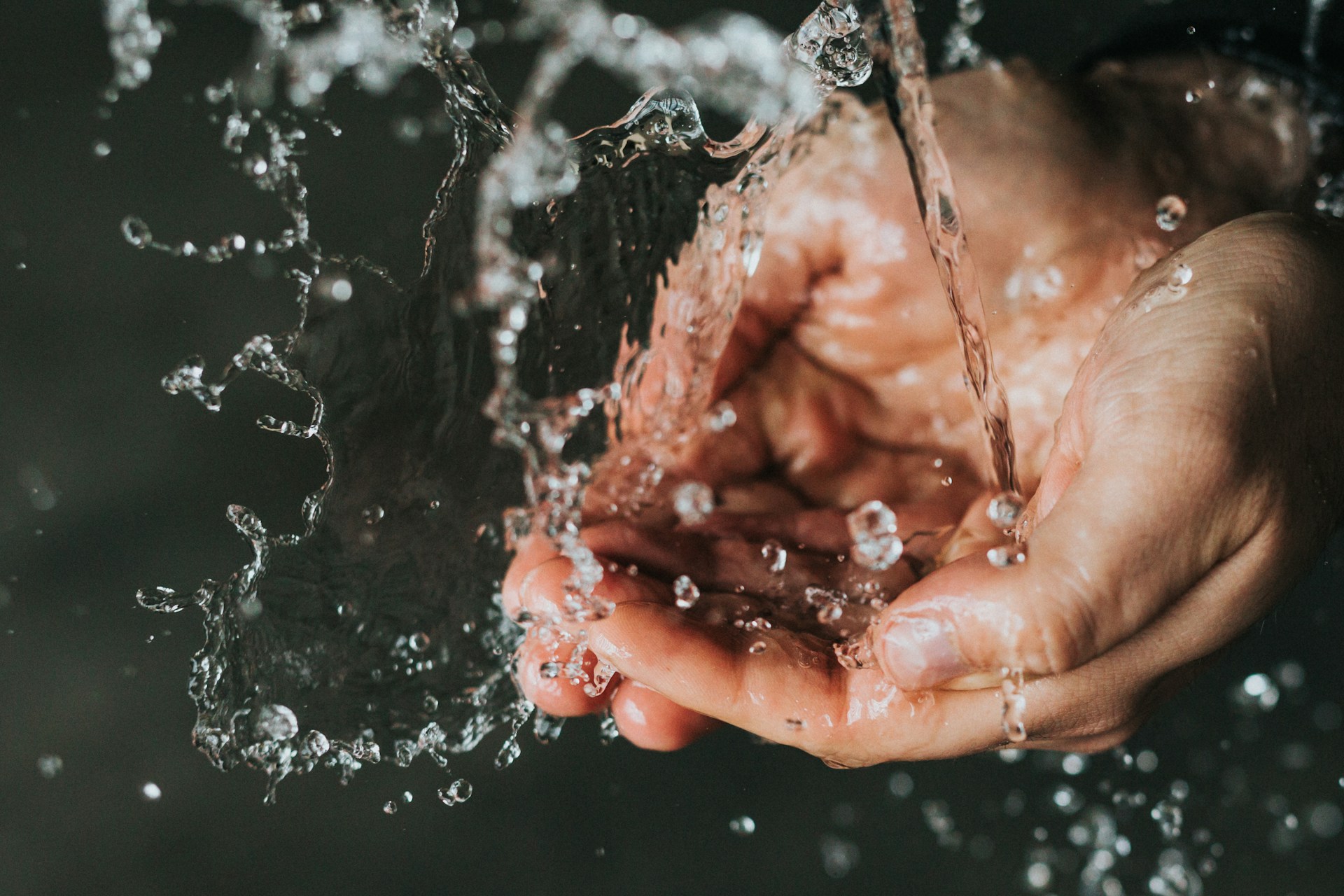
You get out of the bath or pool, look down at your hands, and your fingertips suddenly look like tiny prunes. Yet the rest of your skin was in the same water and didn’t develop those deep little grooves.
That’s because wrinkling is an automatic response from your body, not simply the result of your skin soaking up water. The process is happening below the surface.
The Wrinkles Form From Under the Skin
It seems like the outer layer of skin absorbs water until it becomes soft and crumpled. That does happen to some extent, but it isn’t the main reason your fingertips develop their distinctive wrinkled pattern.
Your autonomic nervous system, which controls processes you don’t have to think about, signals the small blood vessels in your fingers to tighten. As those vessels narrow, the tissue beneath the skin takes up slightly less space.
The skin itself doesn’t shrink along with it. Instead, it settles over that smaller area and forms ridges and valleys. That’s what creates the pruney appearance.
This also explains why the change doesn’t happen the instant your fingers touch water. The response takes some time to develop, so a quick handwashing usually won’t produce the same wrinkles as a long bath or swim.
Why It Happens Mostly on Fingers and Toes
Water can touch your entire body, but the wrinkling is most noticeable on the palms, fingertips, soles, and toes. These are the hairless gripping surfaces that regularly press against the ground or handle objects.
Scientists think the grooves may help your fingers handle wet objects. One study found that wrinkled fingertips reduced the grip force needed to hold a wet object, bringing it closer to the force used with dry hands. Other research hasn’t found that the wrinkles improve dexterity during wet handling tasks, so scientists are still working out exactly how much of an advantage they provide and whether that advantage explains why the response evolved.
Either way, the physical cause of the wrinkles is clearer than their exact purpose. The nervous system narrows the blood vessels, the tissue below the skin loses some volume, and the surface folds.
Why Your Fingers Smooth Out Again
Once your hands are out of the water, the response gradually reverses. The blood vessels return to their usual size, the tissue beneath the skin regains its normal volume, and the surface smooths back out.
Those temporary grooves aren’t simply waterlogged skin. They’re the visible result of an automatic response happening beneath it.
This article is for informational purposes only and is not a substitute for professional medical advice.