
Why Do Prices Vary From One Area to Another?
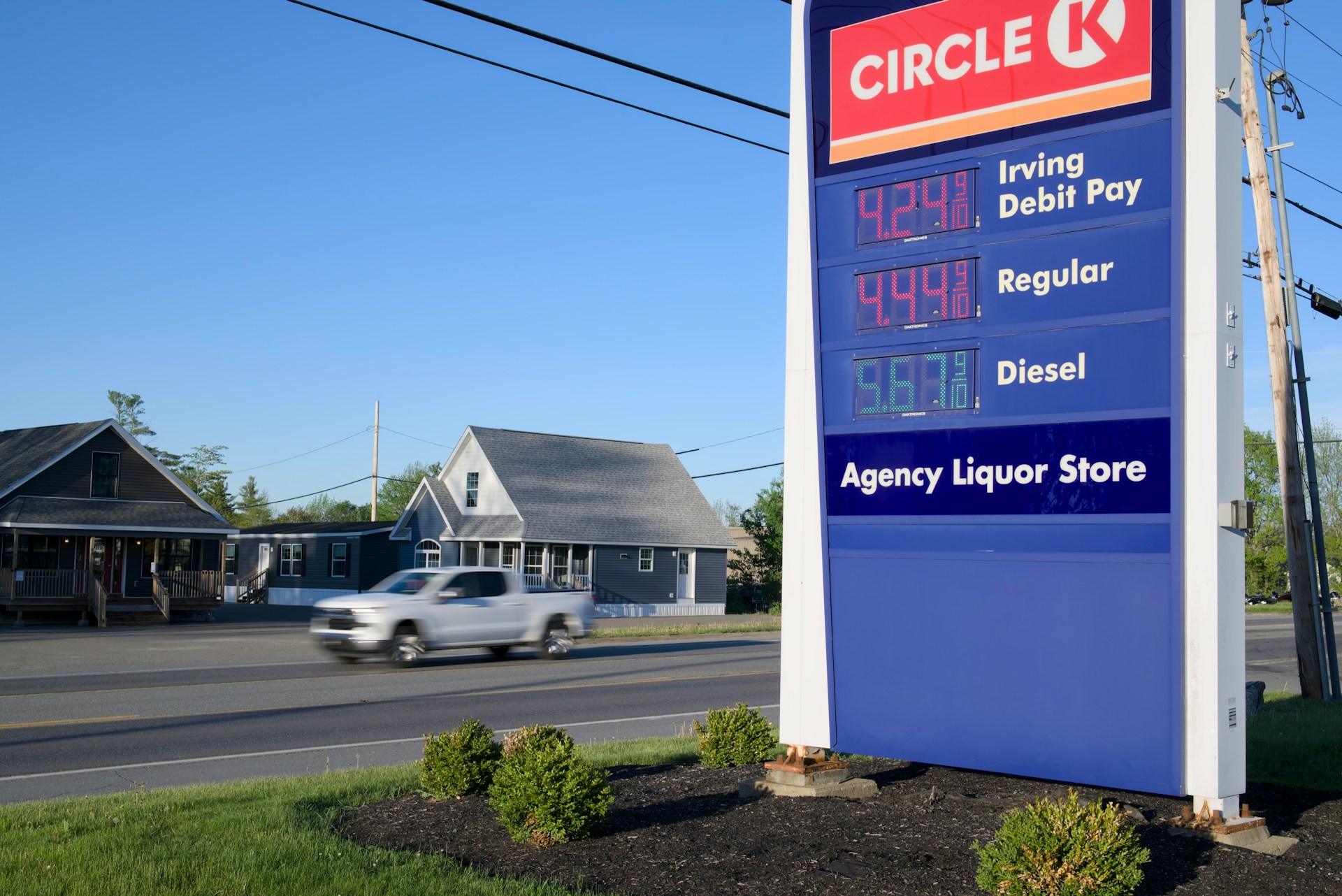
It’s strange when you compare prices with someone who lives somewhere else and realize they’re regularly paying more for the same kinds of things. It can happen with groceries, restaurant meals, gas, services, and even prices from the same chain.
A lot of it comes down to where the sale is happening. The cost of running a business can vary from place to place, along with how much competition there is and how much demand there is for what they’re selling. So even when two people are buying the same thing, the price doesn’t necessarily have to match.
And this can be surprisingly local. You don’t always have to compare two states or opposite sides of the country. Prices can change between nearby towns, neighborhoods, or even two locations of the same business.
Of course, two things that seem the same aren’t always an exact match. Restaurant meals, services, or grocery products may differ in quality, ingredients, size, or what’s included. But when you really are comparing the same thing, where it’s sold can still affect the price.
It’s Not Always Just the Tax
When something costs more in another town or state, it’s easy to assume the difference is just the sales tax. And tax can change the final amount you pay.
But look at the menu board, shelf tag, or price in the app before you even get to checkout. The price itself may already be higher. A sandwich that’s $8.99 at one location might be $9.49 at another before tax enters the picture at all.
So if you and a friend are comparing prices and yours really are cheaper, you may be seeing two different prices for the same thing, not just two different tax rates.
The Same Thing Can Cost More to Sell in One Place
Consider two locations of the same restaurant. They may serve the same burger, but that doesn’t mean it costs the same amount to run both restaurants.
Rent can be higher in one area. Wages can differ. Utilities, insurance, and other business expenses can vary too. Products also have to get to the store, and shipping something farther or into a harder-to-reach area can cost more.
That doesn’t mean a business simply adds up those expenses and sets its price. But they help explain why selling the same thing doesn’t necessarily cost a business the same amount everywhere.
Local Competition and Demand Matter Too
Think about a stretch of road with three or four gas stations close together. Each one has a big price sign where drivers can easily compare it with the station across the street. That’s a very different situation from a gas station that’s the only convenient option for miles.
The same applies to restaurants, grocery stores, and other businesses. When people have plenty of nearby choices, businesses are competing for the same customers. When there aren’t many alternatives, that competition looks different.
How many people want something in a particular area can matter too. A restaurant in a busy tourist area may have a steady stream of customers that a location in a quieter area doesn’t. An item that’s especially popular in one city or neighborhood may not sell nearly as often somewhere else.
That’s part of why even two locations of the same chain can have different prices. Some chains keep prices fairly consistent, while others allow them to vary by region, store, or franchise.
You can see this yourself when browsing online. Change the selected store on a restaurant or retailer’s website or app, and the prices may change too. The menu or products can look exactly the same, but you’re now seeing what that particular location charges.
So when the same burger, gallon of gas, or grocery item costs more somewhere else, the answer may be as simple as this: the product is the same, but the place selling it isn’t.