
Why Do We Breathe Faster During Exercise?
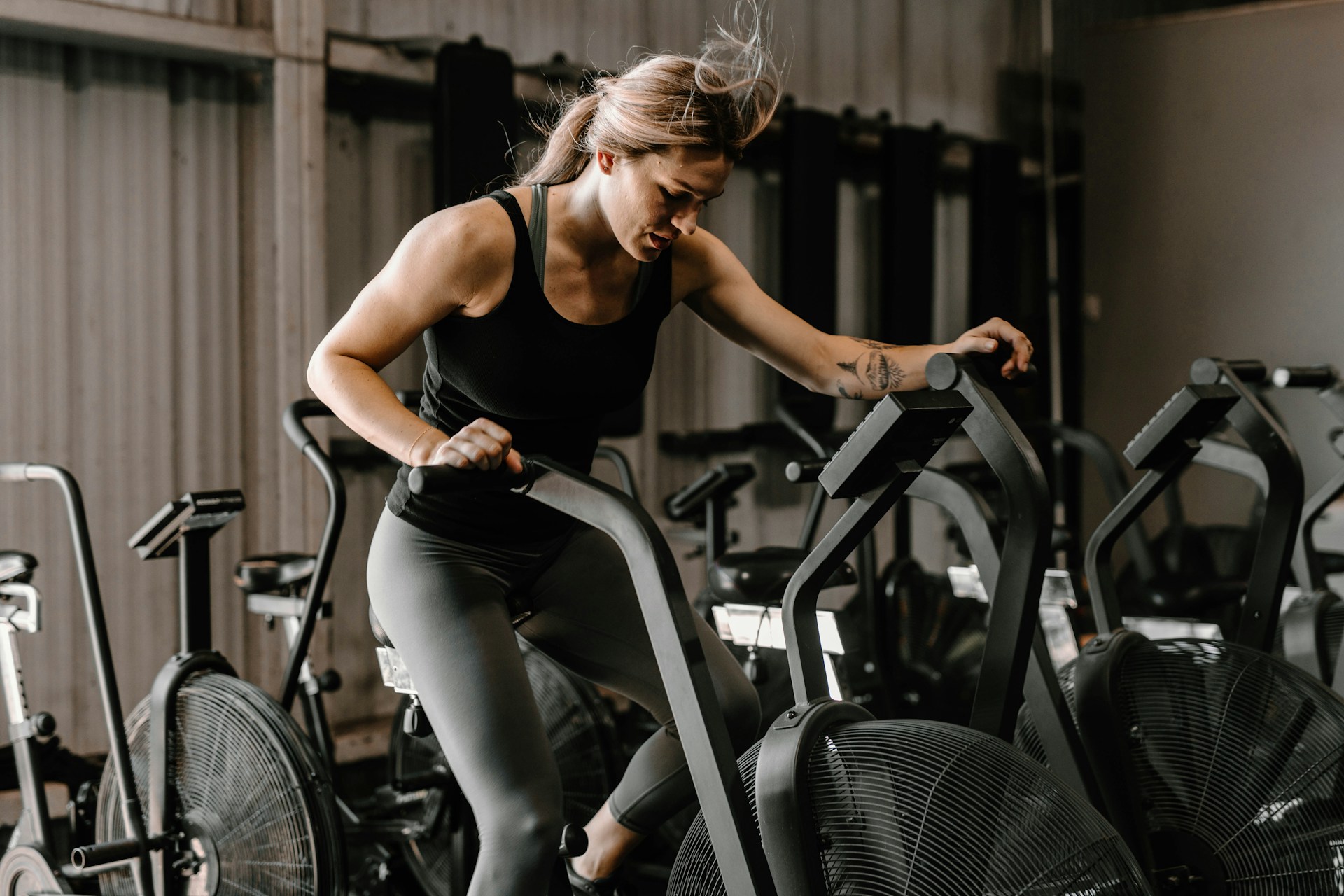
A flight of stairs can change your breathing surprisingly fast. You may feel fine at the bottom, but by the time you reach the top, you’re taking quicker, deeper breaths.
That happens because your body is already responding to the extra work your muscles are doing. They need more oxygen and produce more carbon dioxide, so your breathing increases to help handle both.
Your Body Doesn’t Wait To Respond
Muscles need energy every time they contract. Walking requires some, but running, climbing, or pedaling hard requires more.
Your breathing begins to change almost as soon as you start moving. When your brain sends the signal for your muscles to get to work, it also tells the muscles that control breathing to step things up. Sensors in your moving muscles and joints send information back to the brain too.
In other words, your body doesn’t wait for carbon dioxide to build up in your blood before responding. It gets a head start.
As the activity continues, your muscles use more oxygen and produce more carbon dioxide. Changes in carbon dioxide and blood chemistry then help your brain adjust your breathing to match the amount of work you’re doing.
So those quicker breaths aren’t random. They’re part of an automatic response that begins with movement and continues adjusting as the demands on your muscles change.
You’re Breathing Deeper Too
Speed is usually the most obvious change, but it isn’t the only one. Exercise also makes your breaths deeper.
Faster, deeper breaths bring more fresh air into the lungs and carry more carbon dioxide out. Your heart speeds up too, moving oxygen from the lungs to the muscles and carrying carbon dioxide back in the other direction.
This is why breathing and heart rate tend to rise together. The lungs exchange the gases, while the blood carries them where they need to go.
It also explains why a gentle walk may barely affect your breathing while running up a hill makes the change impossible to ignore. Harder-working muscles create a greater demand, so your breathing changes more noticeably.
Why You Keep Breathing Hard Afterward
Reaching the top of the stairs doesn’t instantly return your body to its resting state. Your muscles have stopped working as hard, but your breathing, heart rate, circulation, and body temperature are still settling.
For a little while, your lungs continue exchanging gases faster than they would at rest. As the extra demand fades, your breathing gradually returns to its usual pace.
This article is for informational purposes only and is not a substitute for professional medical advice.