
Why Do Hands and Feet Get Cold?
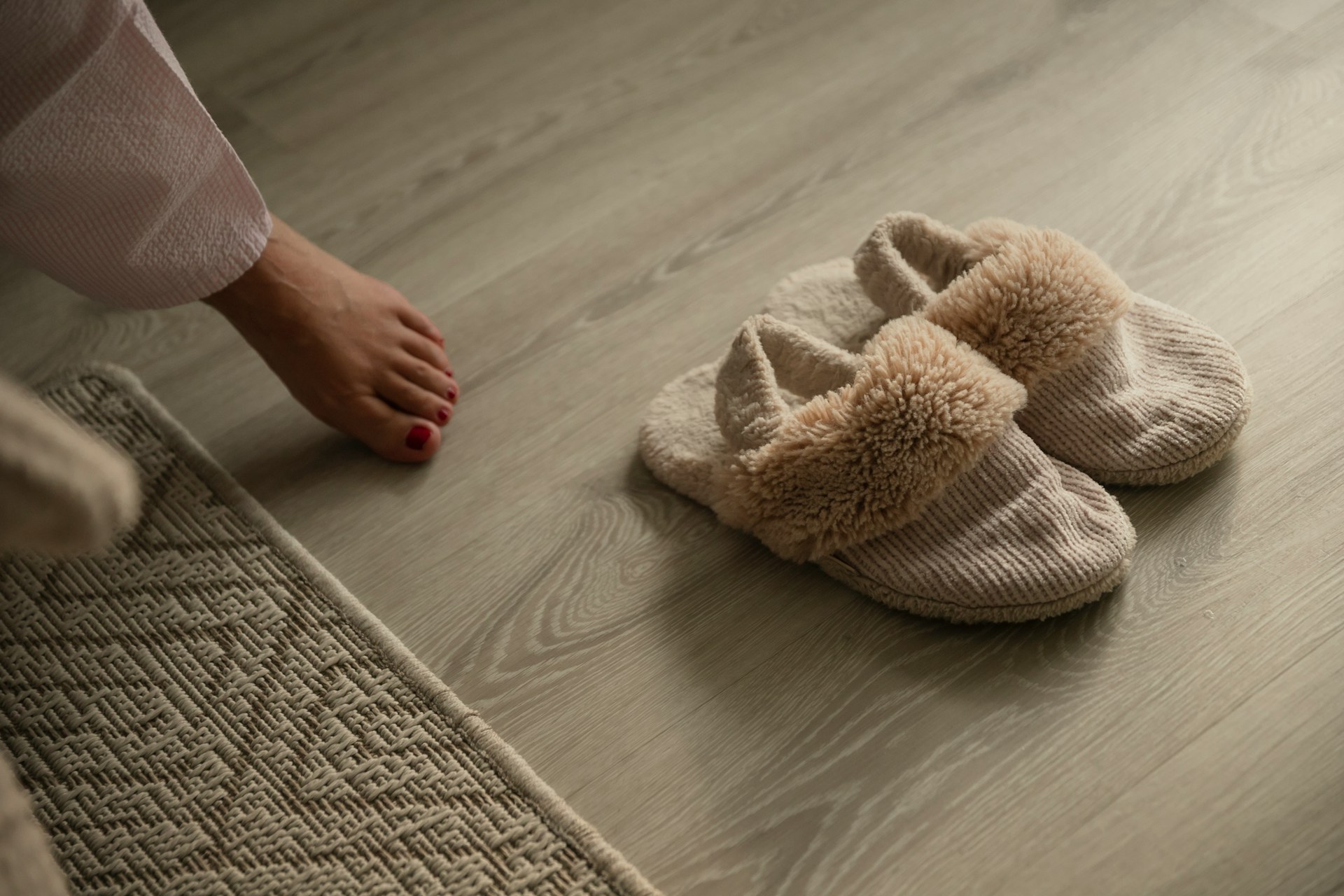
Your hands and feet can get cold before the rest of you because your body doesn’t send the same amount of warm blood everywhere all the time. When it needs to hold on to heat, it can reduce blood flow near the skin in places like your fingers and toes. More warm blood stays closer to your core, while your hands and feet cool down.
That’s why you can be sitting in a room feeling perfectly comfortable overall and still have cold fingers or toes.
Your Body Is Deciding Where Heat Goes
Blood carries heat throughout your body. When you’re warm, plenty of that blood can flow close to the skin, where some of its heat escapes into the air around you.
When your body needs to conserve heat, the small blood vessels near your skin narrow. This is called vasoconstriction. With less warm blood flowing close to the surface, less heat escapes.
You tend to notice this in your hands and feet because they’re away from your core and have a lot of exposed surface compared with their size. Your fingers and toes can cool fairly quickly when less warm blood is reaching them.
So your hands and feet aren’t simply getting cold because they’re far from your heart. Your body is actively changing how much blood flows near the skin there.
This Can Happen Even When You Don’t Feel Cold
The air doesn’t have to feel especially cold for the difference to show up. Your body is constantly making small adjustments based on how much heat it’s producing and losing.
Sitting still can make cold hands and feet more noticeable because your muscles aren’t producing as much heat as they do when you’re moving. Touching cold objects or standing on a cool floor can also pull heat directly from your hands or feet.
Stress can have an effect too. The body’s stress response can narrow blood vessels in the hands and feet, so they may feel cooler even though the temperature around you hasn’t changed.
Your Hands and Feet Can Warm Up Again Pretty Quickly
The same system works in the other direction. When your body has more heat to release, the blood vessels near your skin can widen and allow more warm blood to reach your hands and feet.
This helps explain why fingers and toes can go from noticeably cold to warm without anything about your circulation being permanently different. Blood flow near the skin is always adjusting.
It’s also why “poor circulation” isn’t quite the right explanation for every case of cold hands and feet. Changing circulation to the skin is actually one of the ways the body normally controls heat.
This article is for informational purposes only and is not a substitute for professional medical advice.