
Why Do Your Ears Feel Plugged and Pop?
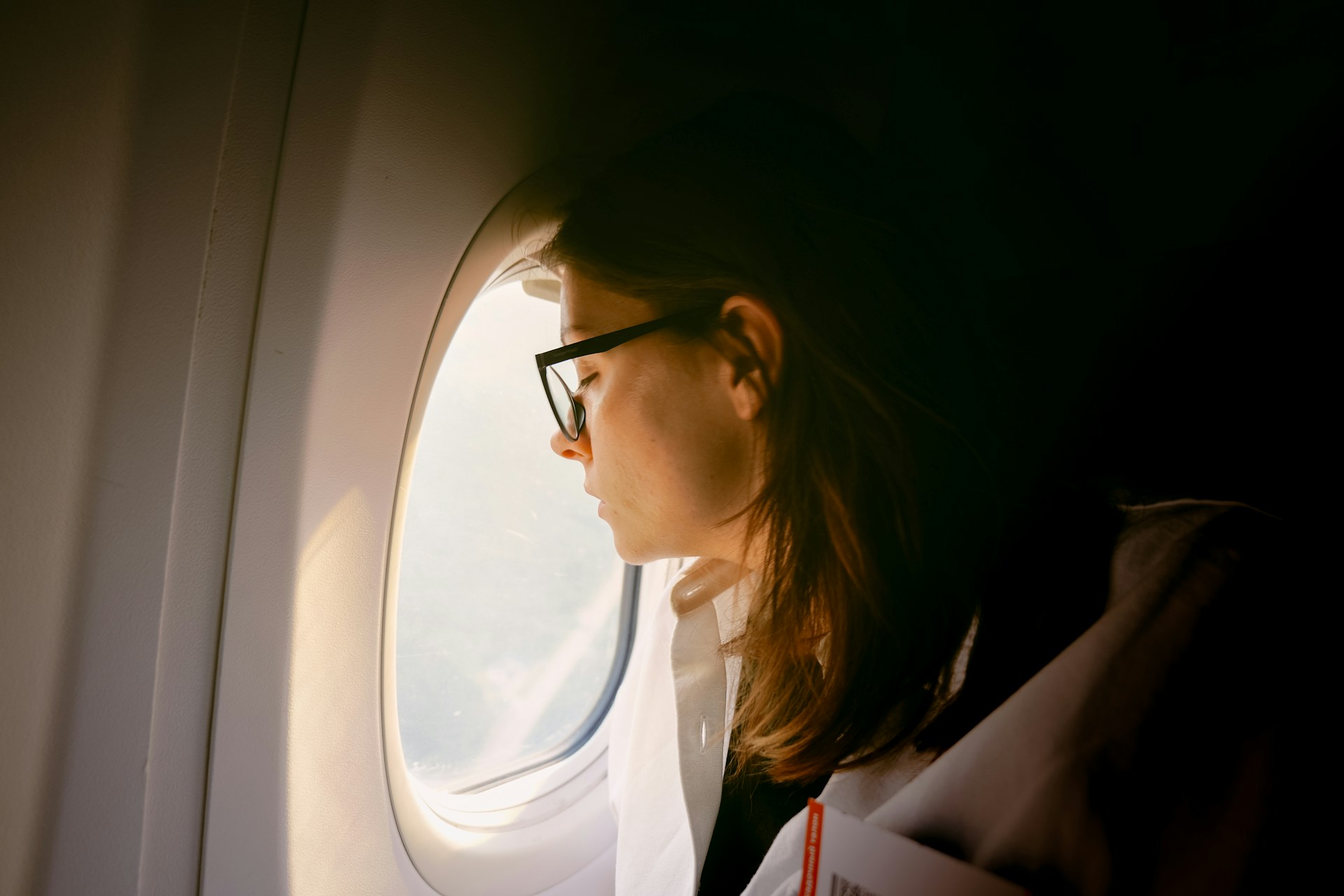
You’re on a plane, everything sounds normal, and then the aircraft starts to descend. Your ears slowly begin to feel plugged, voices sound muffled, and the pressure keeps building. Then one ear suddenly pops, and it feels like something finally came unstuck.
But there wasn’t a physical plug in the first place. What felt like a blockage was a difference in air pressure on the two sides of your eardrum. The pop was the moment that pressure started to even out.
Why It Feels Like Something Is Stuck
There’s a small air-filled space behind your eardrum called the middle ear. It connects to the back of your nose and upper throat through a narrow passage called the eustachian tube.
That tube is closed, but it opens for a moment when you swallow or yawn. Each time it does, air can move into or out of the middle ear.
Most of the time, this happens without you noticing. But if the tube doesn’t open when the pressure changes, your eardrum gets pushed or pulled slightly. That can make the ear feel full, sealed, or almost as if you’re hearing through water.
It also explains the muffled sound. Your eardrum needs to vibrate freely for sound to come through clearly. Uneven pressure can interfere with that movement just enough for everything to sound a little dull.
Then Comes The Pop
Once the eustachian tube opens, air moves through and the pressure shifts. You hear or feel that quick adjustment as a pop.
Sometimes one pop clears the plugged feeling completely. Other times, you hear a few smaller pops or crackles as the pressure changes in stages. Your ear may seem to open for a moment and then feel blocked again.
So the pop isn’t something snapping or breaking. It’s more like hearing the ear’s pressure system catch up.
Why Flights Make It So Noticeable
Air pressure changes quickly when a plane climbs or descends. The pressure inside your middle ear may not adjust at the same speed, so the two sides of your eardrum are temporarily exposed to different amounts of pressure.
That’s why your ears feel increasingly stuffed as the plane changes altitude. Then you swallow, yawn, or simply move your jaw, and one ear suddenly pops. The tube has opened, air has moved, and the pressure is closer to balanced again.
The same thing happens while driving through mountains or going up and down a steep hill. It may just be less dramatic because the change is slower.
Colds And Allergies Can Create The Same Feeling
Your ears can also feel plugged when you have a cold or allergies, even though you haven’t changed elevation. In that case, swelling and congestion around the eustachian tube can make it harder for the passage to open normally.
The result feels similar because the same basic problem is happening: air isn’t moving through the tube as easily. You may notice repeated popping, clicking, or crackling as it opens and closes.
One ear may clear before the other, too. The tubes on both sides don’t always open at exactly the same time or with the same ease.
It Feels Like A Plug, But It May Be Pressure
Earwax can physically block the outer ear canal and make sounds seem muffled. But that’s different from the pressure change happening behind the eardrum.
The feeling is similar, which is why “plugged” is such a natural way to describe both. The clue in this particular experience is the pop. When the fullness changes during a swallow, a yawn, a flight, or a period of congestion, you’re often noticing air pressure being adjusted inside the middle ear.
The plugged feeling is the pressure difference. The pop is the moment your ear begins to balance it.
This article is for informational purposes only and is not a substitute for professional medical advice.