
What Is Immune Response
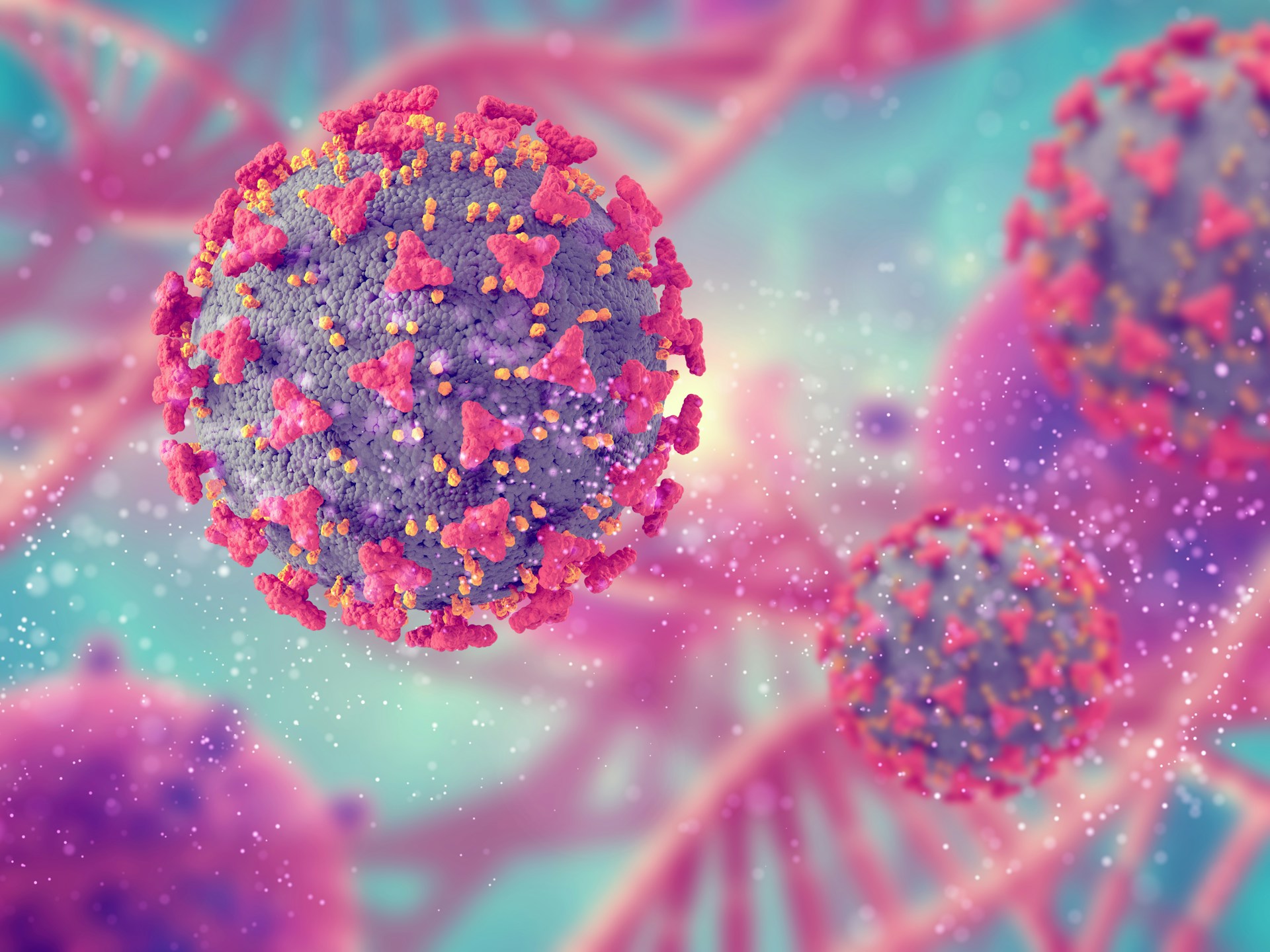
An immune response is the way your body’s immune system recognizes and reacts to substances or cells it identifies as potentially harmful. These triggers can include viruses, bacteria, fungi, parasites, toxins, or certain infected and damaged body cells. The purpose of an immune response is to detect the trigger, limit its effects, and remove it while protecting healthy tissue as much as possible.
The immune system is made up of many different cells, organs, and proteins that work together. Rather than responding the same way every time, it adjusts its actions based on what it detects and whether it has encountered that trigger before.
Recognition is where every immune response begins
Every immune response begins when the immune system recognizes something that does not belong or detects certain infected or damaged cells. This recognition happens before the body starts attacking or removing the trigger. Immune cells continually move through the body looking for substances that appear different from normal body tissue. These substances are often called antigens.
Once immune cells recognize a foreign substance or affected cells, they communicate with one another using chemical signals. Different immune cells perform different jobs during this process. Some produce antibodies that help identify the invading organism, while others directly target infected cells. Other cells help control how long the response continues so it remains focused on the original trigger.
Some immune responses become easy to notice
Most immune responses happen without being noticed. Every day, the immune system encounters bacteria, viruses, pollen, food proteins, and many other substances from the surrounding environment. In many cases, it recognizes these without causing obvious changes.
Some immune responses produce visible signs. A sore throat during a cold, swelling around a small cut, redness after a scrape, or mild swelling following a vaccination all reflect the immune system reacting to a specific trigger. These changes are signs that an immune response is taking place behind the scenes. Exactly what happens depends on the type of trigger, where it enters the body, and whether the immune system has responded to it before.
More immune cells join as the response develops
An immune response often begins with broad protective defenses that react quickly. Physical barriers such as the skin and the lining of the nose and mouth help block many harmful substances before they enter the body. If something passes those barriers, immune cells respond rapidly to identify and contain it.
As more immune cells become involved, the response becomes increasingly specific. Some cells produce antibodies that recognize particular organisms, while others directly destroy infected cells. After the trigger has been removed, some immune cells remain as memory cells. If the same organism enters the body again, these memory cells may recognize it sooner and help the immune system respond more efficiently.
Every immune response can look different
People sometimes assume an immune response always leads to illness or noticeable symptoms. In reality, many immune responses are brief and remain unnoticed because the body removes the trigger before obvious changes develop.
Another common misunderstanding is that an immune response and inflammation are the same process. Inflammation is one part of many immune responses, but the immune system also identifies foreign substances, coordinates specialized immune cells, produces antibodies, and develops immune memory. Which of these activities take place depends on the type of trigger the immune system encounters.
Each response is part of a larger defense system
An immune response is one event within the body’s larger defense system rather than a separate process operating on its own. The immune system is continuously monitoring different parts of the body, recognizing potential threats, and coordinating responses whenever they are needed.
This ongoing defense network depends on communication between immune cells, lymph nodes, bone marrow, the spleen, and other parts of the immune system. Each has a different role, but together they recognize foreign substances, organize responses, remove harmful organisms, and remember many previous encounters. This coordinated process allows the immune system to respond to a wide variety of challenges while adapting to future exposures. The movement of blood through the body also helps immune cells reach different tissues, connecting the immune response with normal circulation.
Putting it all in context
An immune response is the body’s coordinated process for recognizing and reacting to foreign substances and certain infected or damaged cells. It involves identifying the trigger, coordinating specialized immune cells, removing potential threats, and, in many cases, remembering some of those encounters so the immune system can respond more efficiently in the future. Most of this activity happens continuously without being noticed, making it a normal part of how the body protects itself from its everyday environment.
Discover how physical processes work in everyday situations within the Health & Body category.