
Why Does Skin Get Goosebumps?
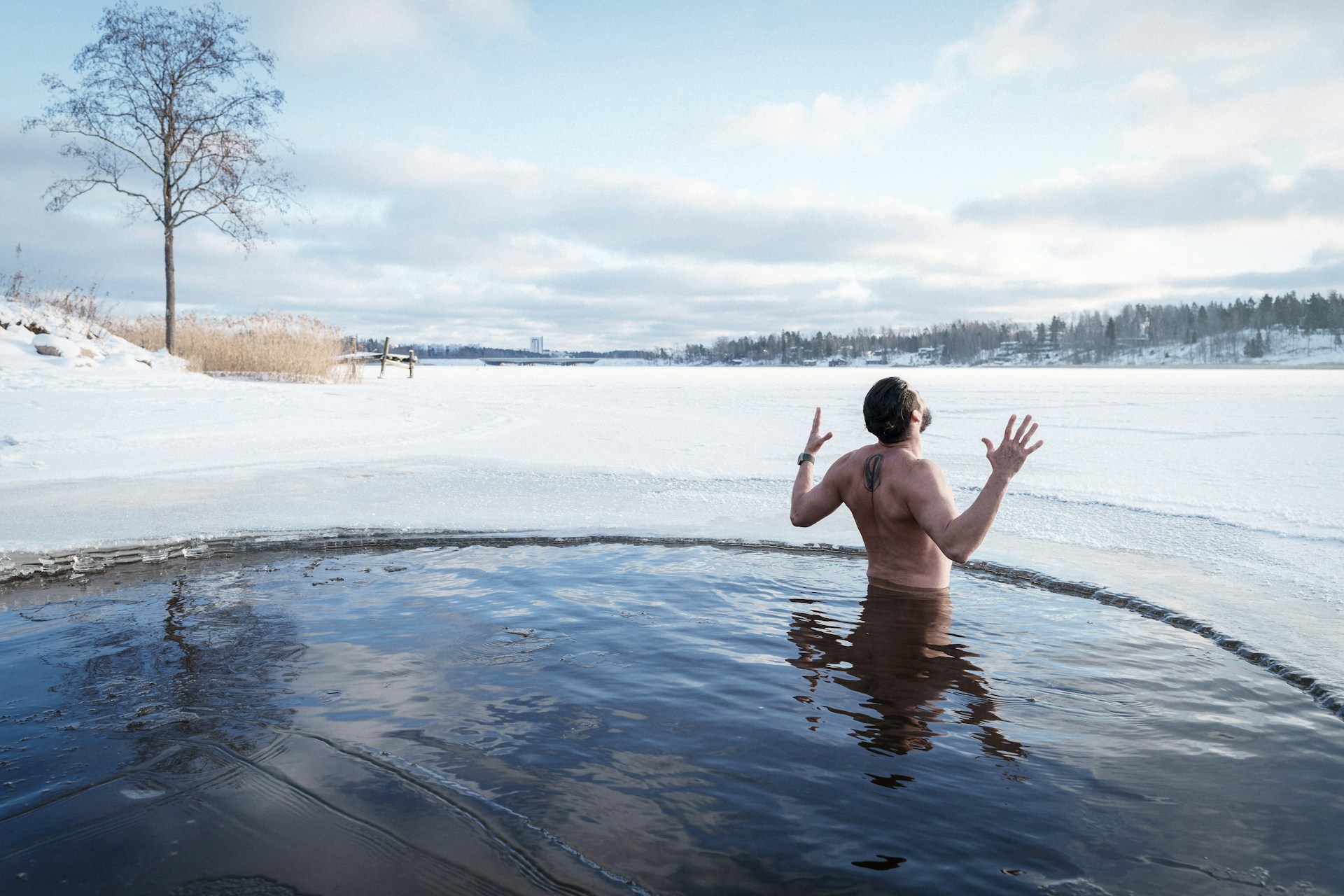
Walk outside when it’s cold and suddenly the little hairs on your arms are standing up and your skin is covered in tiny bumps. Cold isn’t the only thing that can do it. A scary moment or even a song can give you the exact same reaction.
Those bumps aren’t really your skin reacting on its own. Tiny muscles attached to your hair follicles are pulling the hairs upright, and that movement tugs on the surrounding skin. That’s what you’re seeing when goosebumps appear.
The Bumps and the Hairs Are Connected
If you look closely when you have goosebumps, you’ll usually see that each little bump forms around a hair. That’s because a tiny muscle is attached to each hair follicle beneath the skin.
When that muscle tightens, it pulls the hair more upright. At the same time, it pulls slightly on the skin around the follicle, creating the raised bump. So the hair standing up and the skin getting bumpy aren’t two different reactions. They’re two parts of the same thing.
You don’t consciously control those muscles. Your nervous system does, which is why the change can happen so quickly without you doing anything.
Cold and a Powerful Song Can Do the Same Thing
Cold is an easy trigger to recognize. Step into chilly air and your nervous system can set off the reflex almost immediately.
Fear, excitement, awe, or even music can trigger goosebumps because the reaction isn’t controlled by temperature alone. Your nervous system can activate those same tiny muscles in response to a strong emotional reaction.
The Reflex Makes More Sense With Fur
On an animal with thick fur, pulling the hairs upright can help trap a layer of air close to the body and hold onto warmth. When an animal is frightened or threatened, raised fur can also make it look larger and more intimidating.
Humans still have the basic reflex, but we don’t have a thick coat of body hair for it to raise. So when those muscles tighten, the effect we notice most is the little hairs standing up and the skin becoming bumpy.
Once the signal passes, the muscles relax. The hairs settle back down and the bumps disappear, usually just as automatically as they arrived.
This article is for informational purposes only and is not a substitute for professional medical advice.