
Why Does Skin Peel After Sunburn?
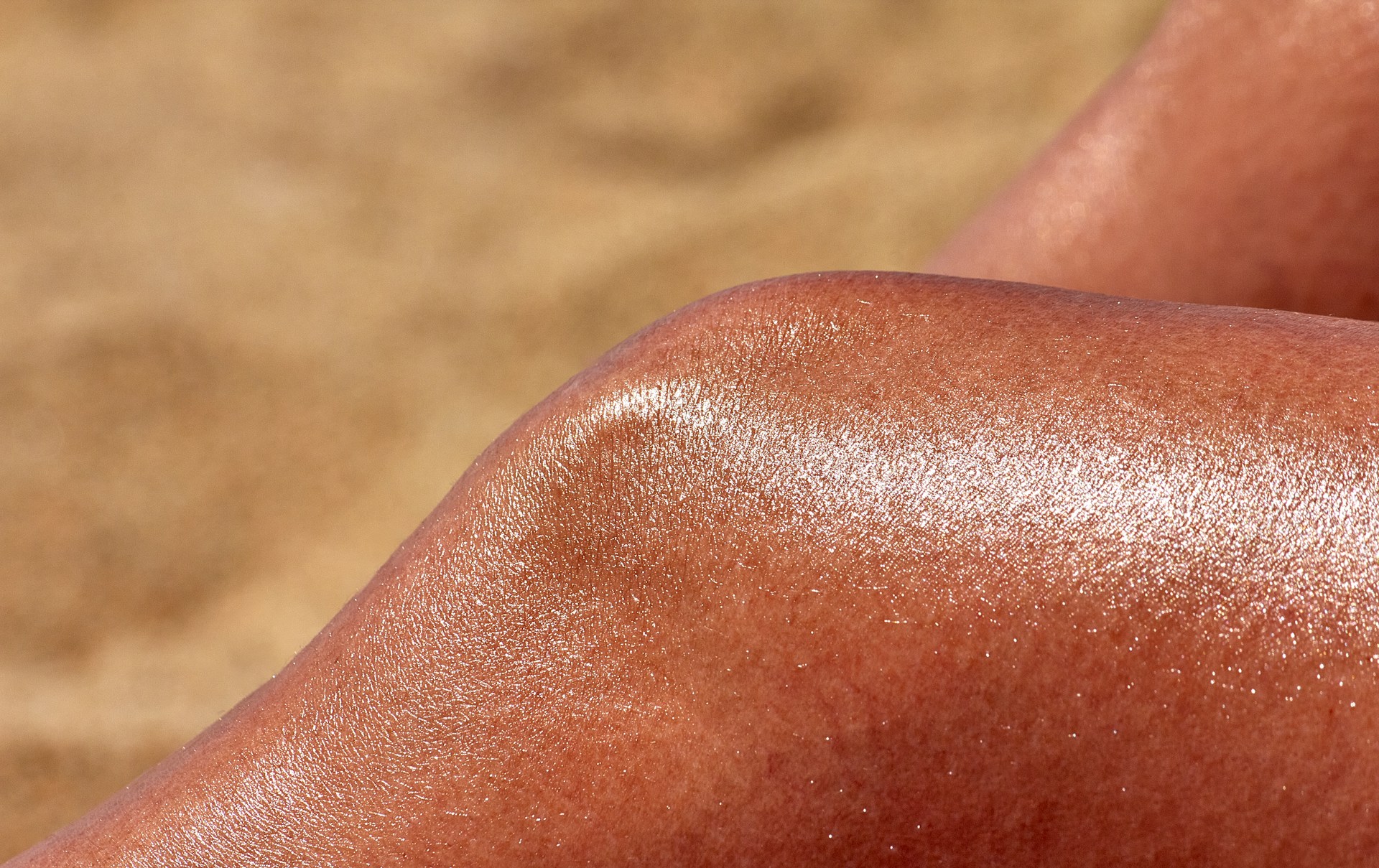
A sunburn can seem like it’s finally settling down. The redness isn’t as intense, the soreness has eased, and then your skin starts lifting at the edges and coming off in thin, papery pieces. It can feel like the burn is starting all over again, but the peeling is part of the same reaction.
The ultraviolet radiation damaged cells near the surface of your skin when the burn happened. Once your body determines that some of those cells can’t recover normally, it lets them go and replaces them with new ones underneath. The flakes you see are that damaged outer layer finally being shed.
Why the Peeling Happens Later
Sunburn sets off inflammation, which causes the familiar warmth, redness, and tenderness. At the same time, your skin begins dealing with cells damaged by the ultraviolet radiation.
That process takes time. As replacement cells develop underneath, the damaged outer cells gradually lose their connection to the surrounding skin. They eventually come away as the thin flakes or larger papery pieces associated with a peeling sunburn.
So the delay doesn’t mean something new has happened to the skin. It’s a later, visible stage of the same damage that caused the original burn.
What the Peeling Skin Actually Is
The pieces that peel away are part of the skin’s damaged outer layer. It can look like the burn itself is coming off, but what you’re seeing is a layer of cells the body is ready to shed.
This is also why the skin underneath may look smoother, pinker, or slightly different from the surrounding area. It’s newer skin that hasn’t been exposed at the surface for as long.
Why Some Sunburns Peel More Than Others
Not every sunburn produces noticeable peeling. It depends partly on how much damage occurred and how many cells in the outer layer need to be replaced.
A mild burn may lead to little visible flaking. A burn affecting more of the outer layer may cause skin to lift in larger pieces. Different areas of the body can also peel differently because skin thickness, movement, and everyday friction aren’t the same everywhere.
Peeling is essentially the cleanup stage of a sunburn. The redness is the early inflammatory response, while the flakes that appear later are damaged surface cells being released as the skin renews itself.
This article is for informational purposes only and is not a substitute for professional medical advice.