
What Happens When a Card Is Declined
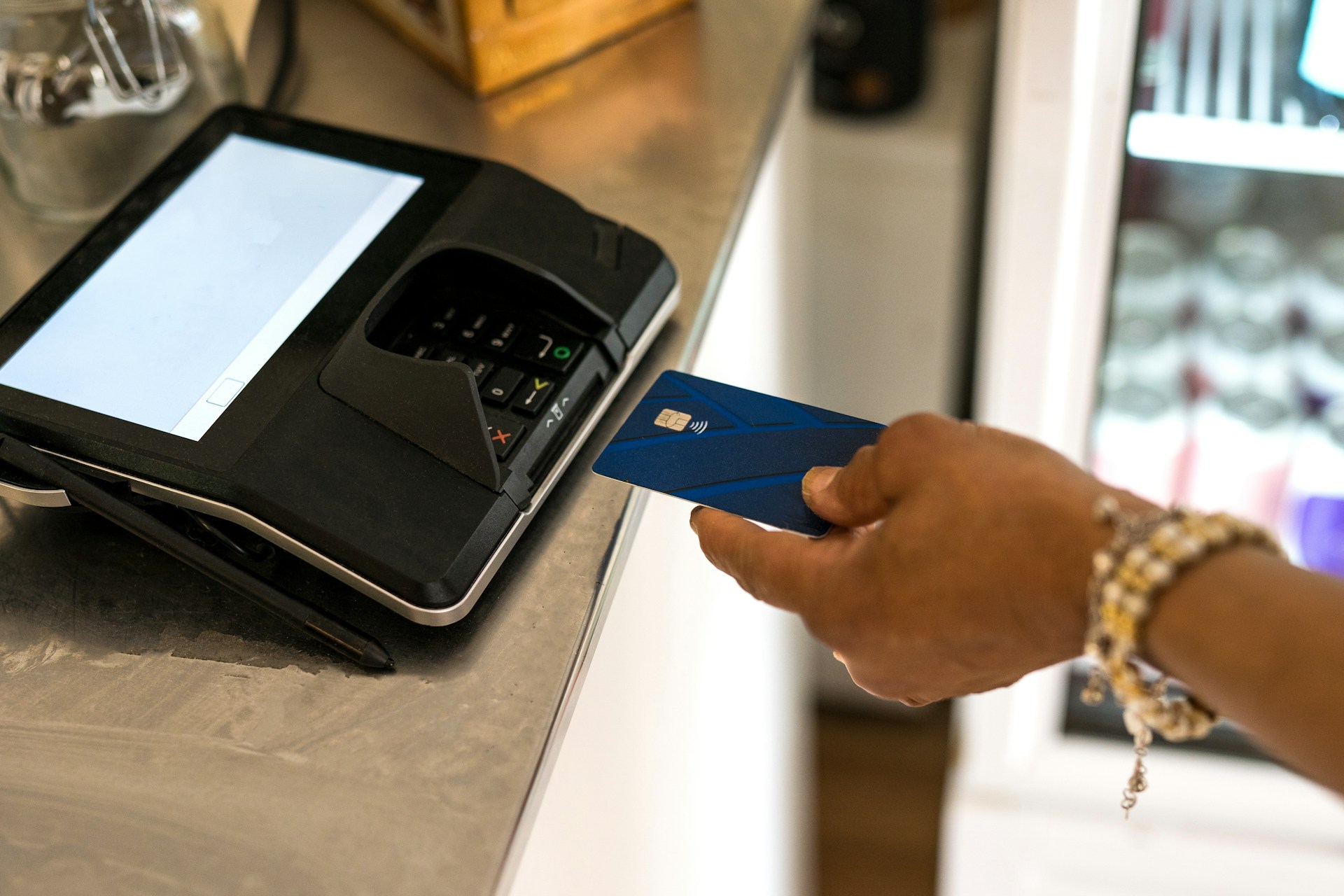
A card decline is a common payment outcome across millions of transactions each day. It can appear during ordinary purchases without warning or detail. Because the message is brief, it often raises a simple question about what actually occurred. In most cases, a decline reflects how automated payment systems evaluate transactions, not a judgment about the person using the card.
A decline means the authorization request was not approved
When people search for what happens when my credit card is declined, they are usually asking what the payment system just did. A declined card means the authorization request sent during the transaction was not approved by the card issuer. The system reviewed the request and returned a no.
Every card purchase begins with an authorization step. The merchant sends transaction details through a payment network to the issuing bank. The bank runs automated checks against preset approval conditions. If the transaction does not meet those conditions, the issuer sends back a decline code instead of an approval code. The purchase stops at that point. The decline itself does not explain the reason. It only reflects that approval criteria were not satisfied at that moment.
The same purchase can be approved one time and declined another
Declines often feel confusing because the transaction looks ordinary. A card may work earlier in the day and then be declined for a similar purchase later. This difference happens because authorization decisions are based on real-time inputs.
Transaction size, merchant category, location data, account status, and security filters are evaluated together. Even small differences in these inputs can change the approval outcome. Online purchases frequently trigger additional automated screening because card details are entered rather than physically presented. Travel transactions or purchases outside usual geographic patterns are also evaluated differently. These variations are built into the system and operate automatically.
Every card transaction moves through the same approval pathway
The payment process follows a consistent sequence. When a card is tapped, swiped, or entered online, the merchant’s system sends an authorization request to a payment network. The network routes that request to the issuing bank.
The issuing bank checks several elements at once. These include available credit or funds, account standing, transaction amount, merchant type, and automated fraud detection rules. This review happens in seconds. The bank then sends back an approval code or a decline code. The merchant receives only that response. Specific internal review details are not shared at the point of sale. This structure protects account data and keeps authorization decisions standardized.
In some cases, a transaction may not be declined but instead show as a payment is pending, which reflects a different stage in the authorization and settlement process.
A decline does not point to one single cause
It is common to assume a declined card always means insufficient funds. While available funds are one factor, approval decisions are based on multiple system inputs. The difference between an approved charge and a decline often relates to account thresholds such as available balance or preset transaction limits.
Another common assumption is that a decline signals account closure or serious account trouble. In most cases, declines occur within active accounts that are otherwise functioning normally. The authorization system is designed to err on the side of caution when required inputs do not align perfectly. The decline simply indicates that approval conditions were not fully met under current system rules.
In broader terms, a decline reflects how risk controls operate
Modern card systems rely on automated authorization and fraud monitoring tools. These tools evaluate transactions against patterns, thresholds, and security parameters. When a transaction falls outside those programmed boundaries, the system may respond with a decline.
Because these checks operate continuously across large networks, declines are part of routine payment traffic. They occur across different banks, networks, and account types. Rather than representing a rare event, a decline is one possible standardized response within the authorization framework. It reflects how payment systems manage approval decisions in real time.
Putting it all in context
A card decline occurs when the issuing bank does not approve the authorization request submitted during a transaction. The decision is made automatically based on preset approval and security conditions. While the message itself is brief, the process behind it follows a structured and consistent pathway. Within modern payment systems, declines are a normal operational outcome rather than an unusual exception.
Credit cards, credit scores, loans, and debt come with plenty of details that aren’t always obvious. Explore more about how credit and borrowing work.