
What Happens When a Password Is Compromised
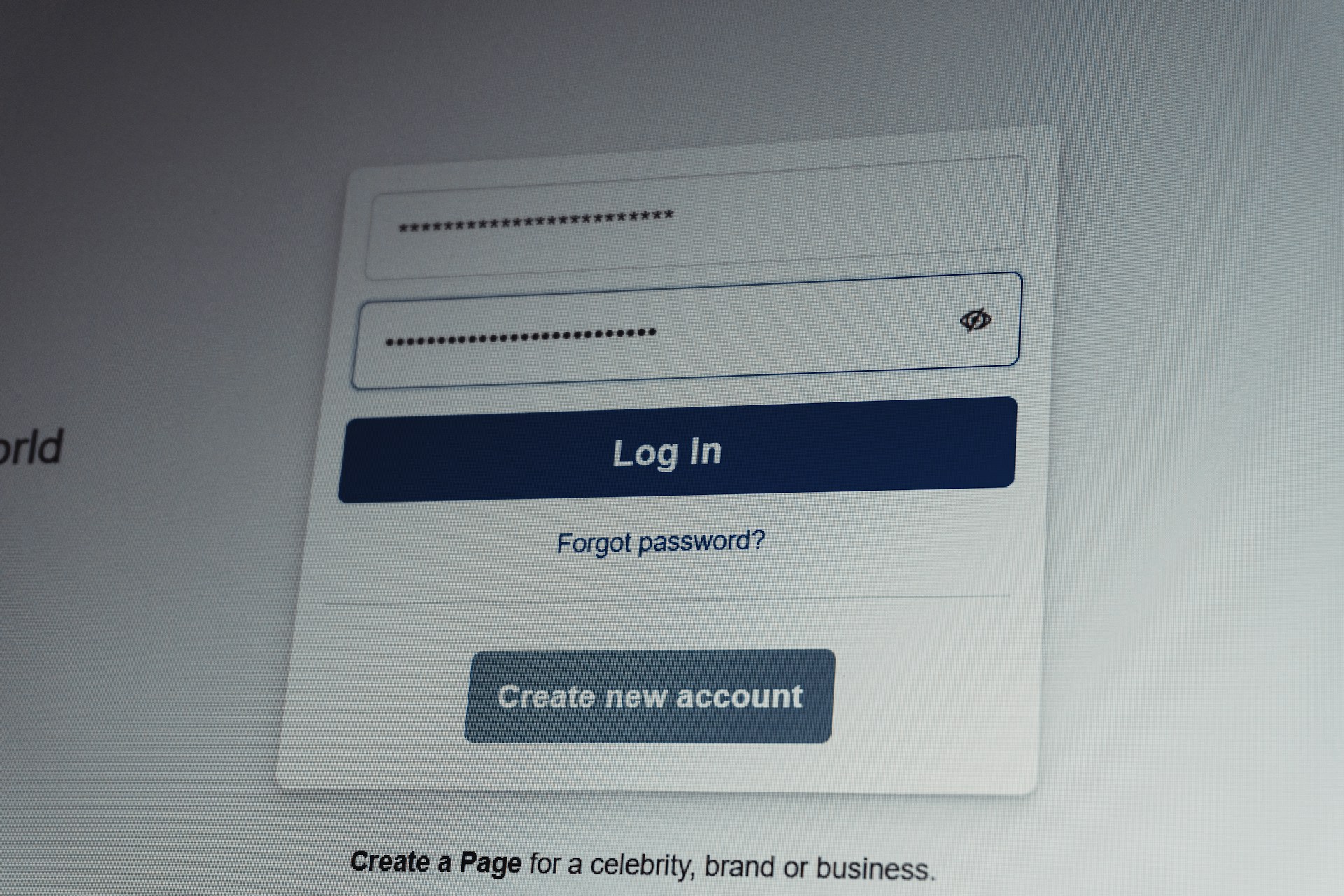
It is common to see a notification saying a password has been compromised. The phrase can sound serious, but it does not automatically mean an account was accessed. After seeing an alert from a website or app, many people pause and search what does it mean if your password was compromised. In most cases, it means the password has appeared in a known data leak and is no longer considered private. The message reflects how online systems monitor exposed credentials.
The alert usually means the password appeared in a leaked dataset
A compromised password is one that has shown up in a database of exposed login credentials. These databases are built from publicly reported data breaches and other documented leaks.
When a company experiences a breach that includes login information, the exposed email and password combinations may eventually become part of large breach collections. Security systems monitor those collections. If a password linked to an account matches one found in those datasets, the system flags it.
The alert does not confirm that someone entered the account. It confirms that the password itself has appeared outside its original environment.
Many alerts are triggered by automated background comparisons
Online platforms regularly compare account credentials against updated breach databases. This process happens automatically in the background.
In many systems, passwords are stored as encrypted values rather than readable text. When comparisons are performed, the system checks encrypted versions against encrypted breach records. If there is a match, the password is marked as compromised.
From the outside, this can feel sudden. In reality, it reflects routine monitoring that updates as new breach data becomes available.
Exposure on one site can affect how another site classifies the password
A password does not have to be exposed on the same platform that sends the alert. If the same password was used on more than one website, a breach on one service could lead to exposure in a public dataset.
Another platform that detects that same password in a breach database may then flag it, even if there has been no unusual activity on that account. The alert is based on exposure status, not confirmed account entry.
This is why someone may see a compromised password message without noticing any other changes.
The key shift is from confidential to publicly known
Passwords function as proof of identity inside online systems. Their effectiveness depends on secrecy. When a password appears in a leak database, it is no longer treated as confidential information.
At that point, the system reclassifies it as exposed data. That classification change can trigger automated safeguards within the account interface, such as warnings or additional verification layers. These responses are built into platform security design and reflect standard system behavior.
The central issue is not immediate damage. It is the change in how the password is categorized.
A compromised password does not define timing or outcome
Another common assumption is that the alert reflects a recent event. In practice, a password may have been exposed months or years earlier. The message appears when monitoring systems detect and match the exposure.
The alert also does not predict specific outcomes. It does not confirm that data was altered or that access occurred. It indicates that the password has appeared in a known exposure dataset and is therefore no longer treated as private.
The notification reflects system detection, not a verified sequence of events inside the account.
Putting it all in context
When a password is described as compromised, it means the password has appeared in a leaked credential database and is no longer considered confidential. The alert reflects automated monitoring systems that compare account credentials against known exposure records. It does not automatically signal account access. Instead, it shows how online platforms track exposed data and adjust password status when secrecy has been lost.
Logins, passwords, verification codes, and security alerts are everywhere online. Explore more about what they mean and what’s happening with your accounts.