
What Is Passport Control
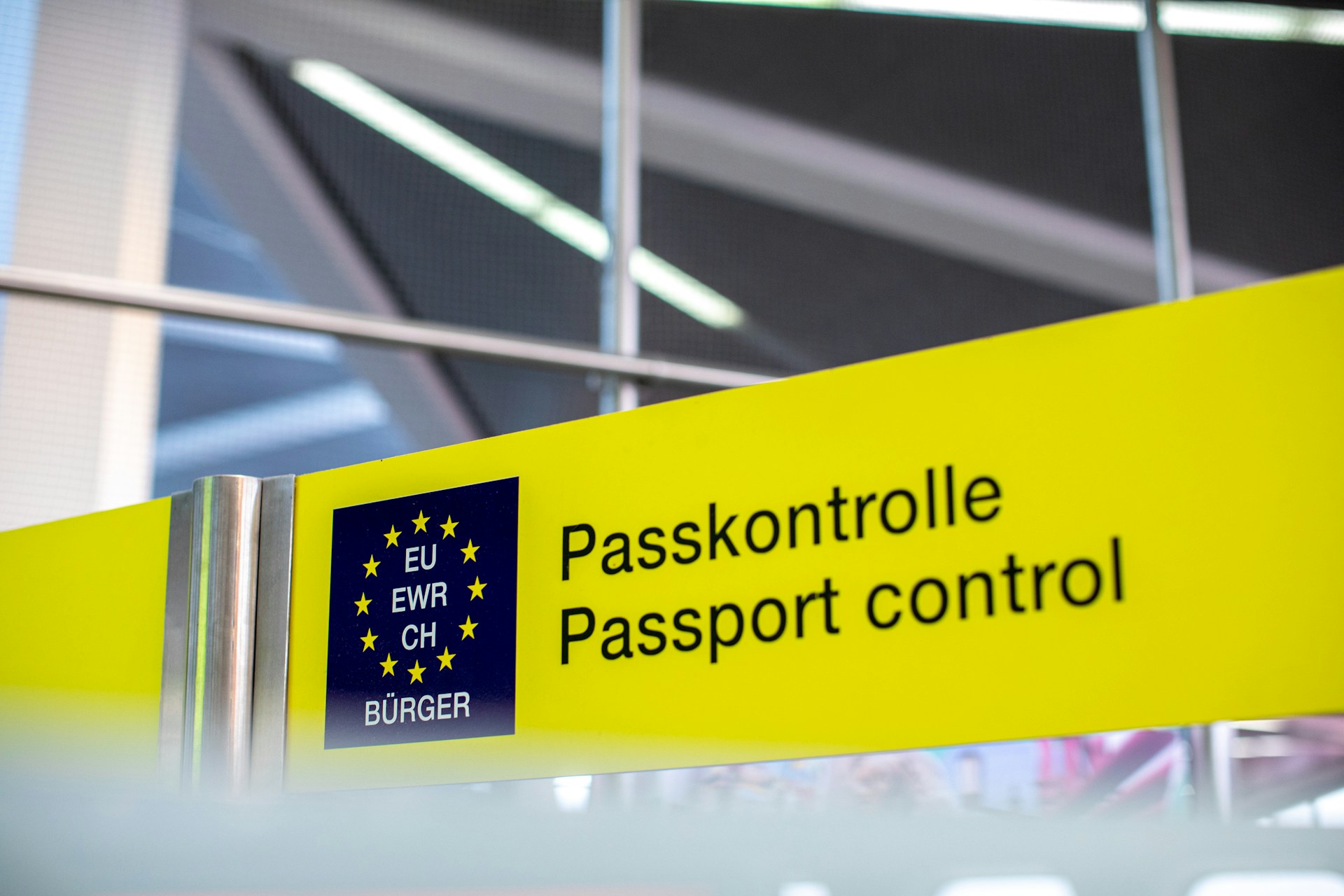
Passport control is the process governments use to verify a traveler’s identity before allowing entry into or departure from a country. It takes place at designated border checkpoints, usually in airports, seaports, and international land crossings. The process helps governments manage international border crossings by confirming who is entering or leaving the country and whether that person meets its entry requirements.
Although passport control is a familiar part of international travel, it serves a different purpose than airport security or customs. Each system verifies different information as people move across international borders.
Border officers verify identity before entry or departure
At a passport control checkpoint, border officers confirm that a traveler’s passport is valid, belongs to the person presenting it, and meets the country’s entry requirements. Depending on the country’s border policies, they may also review visas, residency status, or electronic travel authorizations before allowing entry or departure.
Passport control takes place whenever someone crosses an international border, whether at an airport, seaport, or land crossing. At airports, it usually occurs after arriving from another country before travelers enter the public arrivals area. Some countries also conduct passport control before passengers depart on international flights.
The exact checks vary by country. Some rely primarily on border officers, while others also use automated passport gates that scan passports and verify identity using biometric technology. Regardless of how the process is completed, the goal is the same: confirming identity before an international border crossing is officially recorded and authorized.
Identity checks follow a standard border process
Passport control begins when a traveler presents a passport or another accepted travel document at a border checkpoint. The information is checked against government records to confirm that the document is valid and belongs to the person presenting it.
Depending on the country’s procedures, the system may also verify visas, residency status, previous border crossings, or other travel records connected to that traveler. Some checkpoints perform these checks automatically, while others are completed by a border officer reviewing the documents.
Once the required checks are complete, the crossing is either authorized or referred for additional review if further verification is required. The amount of time involved depends on factors such as passenger volume, staffing, technology, and each country’s border procedures rather than the passport itself.
It serves a different role than customs, immigration, and security
Passport control is closely connected to immigration, but the terms are not always interchangeable. Passport control is the identity verification step at the border, while immigration refers more broadly to the legal process of entering and being admitted to a country.
It is also different from customs. Customs focuses on the goods travelers bring across the border, including items that may need to be declared or inspected. Passport control focuses on the traveler and their legal authorization to cross the border.
Airport security serves another separate purpose. Security screening checks passengers and carry-on items before boarding an aircraft to help protect aviation safety. Passport control is part of a country’s border management system rather than its aviation security process.
Border crossings become official records
Passport control does more than verify identity at the moment a traveler reaches the checkpoint. It also documents international entries and departures as part of each country’s border management system. The information collected helps governments maintain official records of who has crossed their borders and when those crossings occurred.
This recorded information supports other border functions, including immigration enforcement, visa administration, residency verification, and international travel monitoring. While the exact records and procedures differ between countries, passport control consistently serves as the point where identity verification and official border documentation come together.
Putting it all in context
Passport control is the government process used to verify a traveler’s identity and authorize international border crossings. It confirms that travelers meet a country’s entry or departure requirements while creating an official record of those crossings as part of border management. Whether completed by a border officer or an automated checkpoint, passport control provides the identity verification that allows countries to manage the movement of people across their borders.
Learn how typical systems work in the Travel & Transportation category, covering everyday movement and transit processes.