
Why Do We Blink
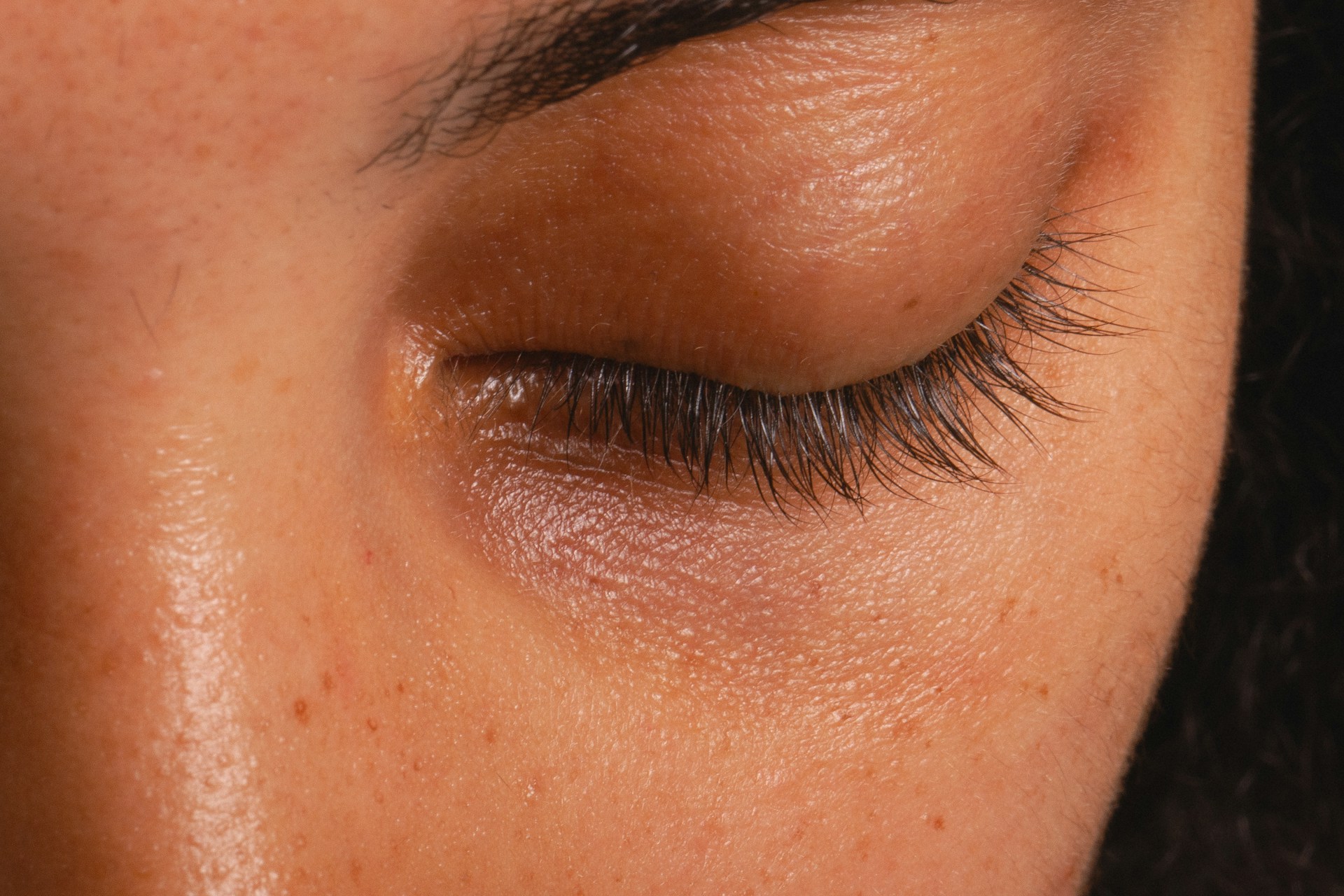
Blinking is an automatic body function that keeps the eyes moist, clean, and protected. Each blink closes the eyelids briefly, spreads tears across the surface of the eye, and helps remove small particles that collect on the eye. Most blinking happens without conscious effort, although the movement can also happen intentionally or as a reflex response to something near the eye.
Blinking keeps the eye surface smooth
Each time the eyelids move, they spread a thin layer of tears called the tear film across the eye. This layer helps keep the surface smooth so light can pass through clearly and reduces friction between the eyelid and the eye.
Blinking also helps move away small particles such as dust or other debris that reach the eye. As new tears replace older ones, the tear film is refreshed and excess moisture drains away through the tear ducts. Similar tear responses are involved when eyes water in different situations.
The brain controls automatic blinking
Most blinks happen automatically through signals between the brain, nerves, and muscles around the eyes. The brain coordinates the eyelids closing and reopening in a quick movement that spreads the tear film without requiring conscious attention.
Blinking can begin through different signals. A person can choose to blink voluntarily, such as when intentionally closing the eyes. A reflex blink happens when the eyes respond to something unexpected, such as an object moving close to the face or a sudden environmental change.
Blinking changes with attention and surroundings
Blinking patterns naturally change depending on what the eyes are doing. During activities that require steady visual attention, such as reading or looking at a screen, people often blink less frequently because the eyes remain open longer while the brain processes visual information.
Environmental conditions can also affect blinking. Bright light, wind, smoke, or airborne particles may cause the eyes to blink more often as part of a protective response. Changes in light conditions are also connected to how eyes respond to light.
Different blink responses serve different purposes
Regular blinking happens as part of the eye’s normal maintenance, while reflex blinking provides a faster protective response when the eyes detect a possible threat.
Blinking patterns can also shift with body states such as fatigue. When a person is tired, the eyes and brain may adjust blinking as alertness changes. This is one reason blinking does not follow the exact same pattern throughout the day, as described in blinking more when tired.
Putting it all in context
Blinking is a coordinated process involving the eyelids, tear film, nerves, muscles, and brain. It connects several protective processes that operate together as the eyes respond to changing conditions. Although blinking patterns vary depending on attention, surroundings, and body state, the underlying process remains the same: maintaining and protecting the eye surface through automatic movement.
Discover how physical processes work in everyday situations within the Health & Body category.