
Why Do Eyes Get Red?
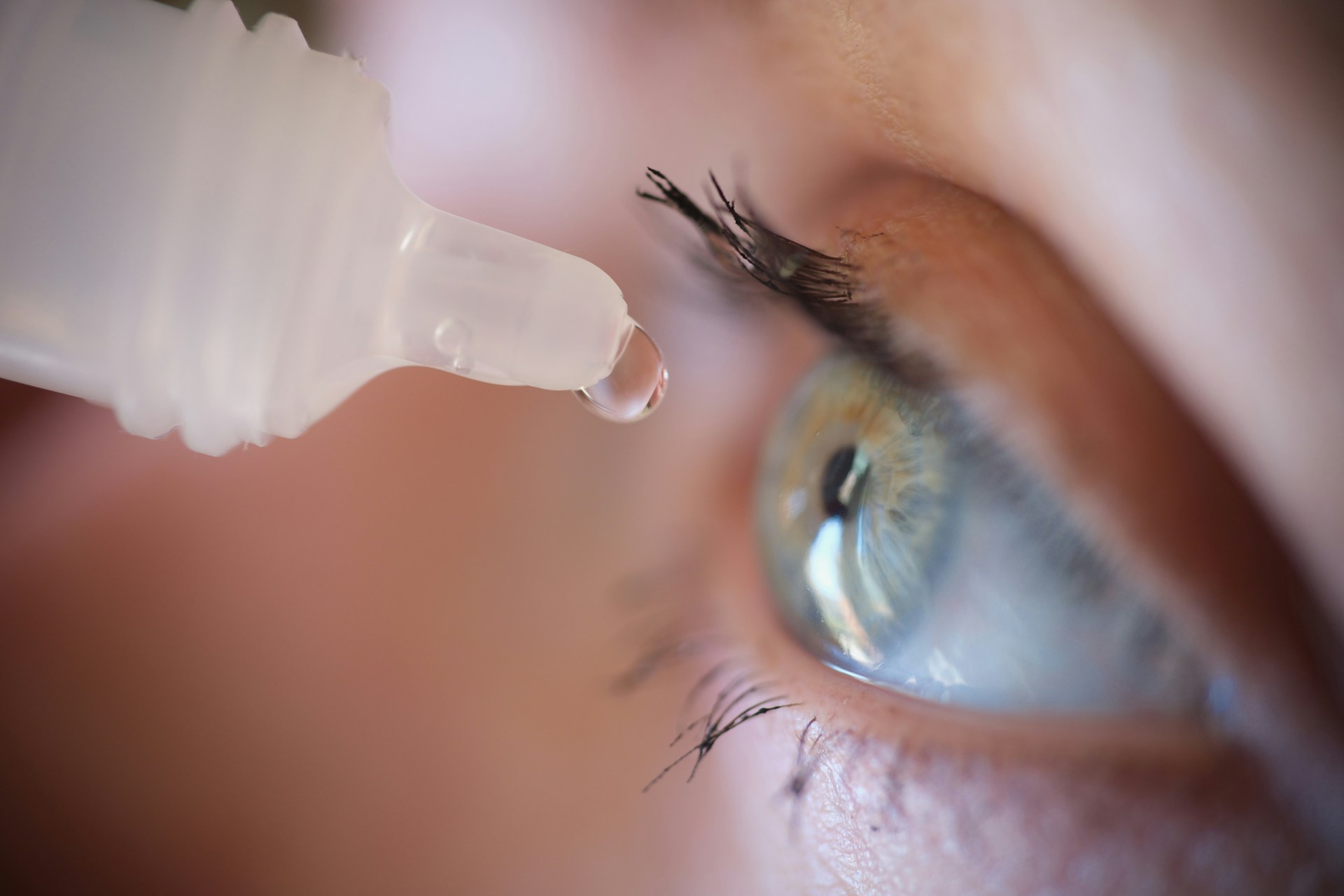
It can be a little unsettling to catch your reflection and see your eyes looking pink or veiny when they looked normal earlier. Usually, what you are seeing is not the white of the eye changing color. It is tiny blood vessels near the surface becoming more visible.
The white part of the eye is covered by a clear, thin layer called the conjunctiva. That layer has a network of very small blood vessels running through it. Most of the time, they are narrow enough that they barely show. But when the surface of the eye is dry, irritated, or inflamed, more blood flows through those vessels and they widen. Since the layer over them is clear, the vessels show through as redness.
The White Part Hasn’t Actually Changed Color
It looks as though the white of the eye itself has turned pink or red, but that is not really what is happening. The redness comes from the vessels in the clear layer over the white part.
That is why eyes can look a little pink in one moment and much more bloodshot in another. The vessels are still there either way. The difference is how visible they are.
Why It Often Shows Up After Everyday Things
The surface of the eye is meant to stay covered by a thin tear film. Blinking helps spread that film over the eye again and again.
When you are focused on a screen, a book, or anything else that holds your attention, you may blink less often or not blink as completely. The tear film can break up more easily, leaving the surface a little drier. That irritation can make the surface vessels stand out.
The same basic thing can happen after crying, rubbing your eyes, being around smoke or wind, or having allergies. The details differ, but the visible result is similar: the eye’s surface reacts, and its small blood vessels become more noticeable.
Why Red Eyes Can Also Water
This can seem backwards. If an eye is watering, it does not seem like it should be dry.
But tears do more than add moisture. They need to form a stable, even layer over the surface of the eye. When that layer is disrupted, the eye may feel irritated and make extra tears, even while its surface is not being evenly protected. So redness, dryness, and watering can sometimes appear together.
A Bloodshot Look Is Different From One Bright Red Spot
A general bloodshot look usually means lots of small surface vessels are more visible. A sharply defined bright-red patch is different. That can happen when a tiny vessel beneath the clear surface layer breaks and a small amount of blood collects there.
Both can make the eye look red, but they do not create the same pattern. One looks more like a web of pink or red lines, while the other often looks like a solid patch.
So when eyes get red, the main thing you are seeing is usually not a change in the eye itself. It is a change in how visible its tiny surface blood vessels have become.
This article is for informational purposes only and is not a substitute for professional medical advice.