
Why Do Feet Get Cold
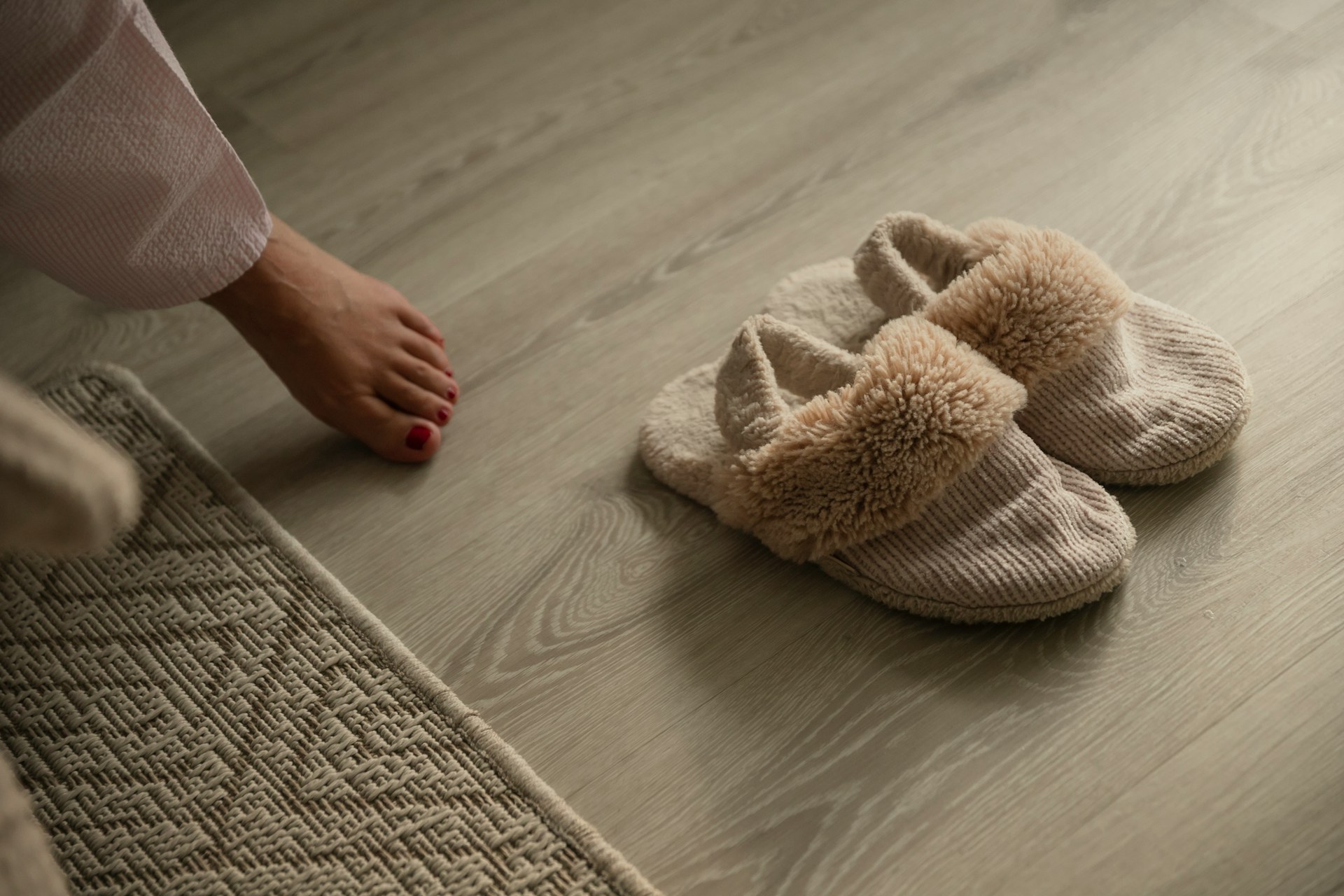
Feet get cold because the body adjusts blood flow to help maintain a stable internal temperature. When heat needs to be conserved, blood vessels near the skin become narrower, reducing the amount of warm blood reaching the feet. This helps keep more heat around the body’s core, where the internal organs are located.
Feet also cool quickly because they are far from the body’s core and are often in direct contact with cooler surfaces. Together, these factors make them one of the first places where reduced blood flow becomes noticeable during the body’s normal temperature regulation process.
Conserving heat takes priority over warming the feet
The body constantly balances heat production with heat loss. When the surrounding environment becomes cooler or the body begins losing heat faster than it can replace it, the brain signals blood vessels near the skin to narrow. This response, called vasoconstriction, reduces heat escaping through the skin.
Because the feet are farther from the body’s core than many other body parts, this change is often more noticeable there. Less warm blood reaches the skin of the feet, so they feel cooler even while the body’s internal temperature remains relatively stable.
Temperature is only one part of the picture
Cold weather is one reason feet become cold, but it is not the only one. Walking on cool floors allows heat to move from the feet into the surface beneath them. Wind and damp conditions can increase heat loss outdoors, while sitting still for long periods reduces the amount of heat produced by the leg muscles.
The body’s natural response to stress can also temporarily narrow blood vessels in the hands and feet. Although the surrounding temperature has not changed, reduced blood flow near the skin can still make the feet feel cooler.
Foot temperature changes throughout the day
The amount of warm blood reaching the feet is not fixed. Blood vessels continuously widen or narrow in response to changing conditions, allowing the body to conserve heat or release it.
Physical activity often increases blood flow to the hands and feet. As activity slows or the surrounding environment changes, blood flow adjusts again to match the body’s temperature needs.
Cold feet are not always a sign of poor circulation
People often associate cold feet with circulation problems, but the body’s normal temperature regulation works by changing blood flow to the skin. Feeling cold in the feet can simply reflect that normal adjustment.
The two feet may not always feel exactly the same. Small differences in posture, contact with cooler surfaces, footwear, or temporary changes in blood flow can make one foot feel slightly cooler than the other. Similar changes can also affect the hands and ears because these exposed areas lose heat more easily than the body’s core. Cold conditions may also trigger shivering or goosebumps, which are part of the body’s overall response to conserving heat.
Putting it all in context
Cold feet reflect the body’s ongoing effort to balance heat conservation with heat loss. By adjusting blood flow to the skin, the body protects its internal temperature while responding to changing conditions throughout the day. Because the feet are far from the body’s core and lose heat relatively easily, they are often one of the first places where this normal temperature regulation process can be noticed.
Discover how physical processes work in everyday situations within the Health & Body category.