
Why Does My Phone Battery Drain So Fast
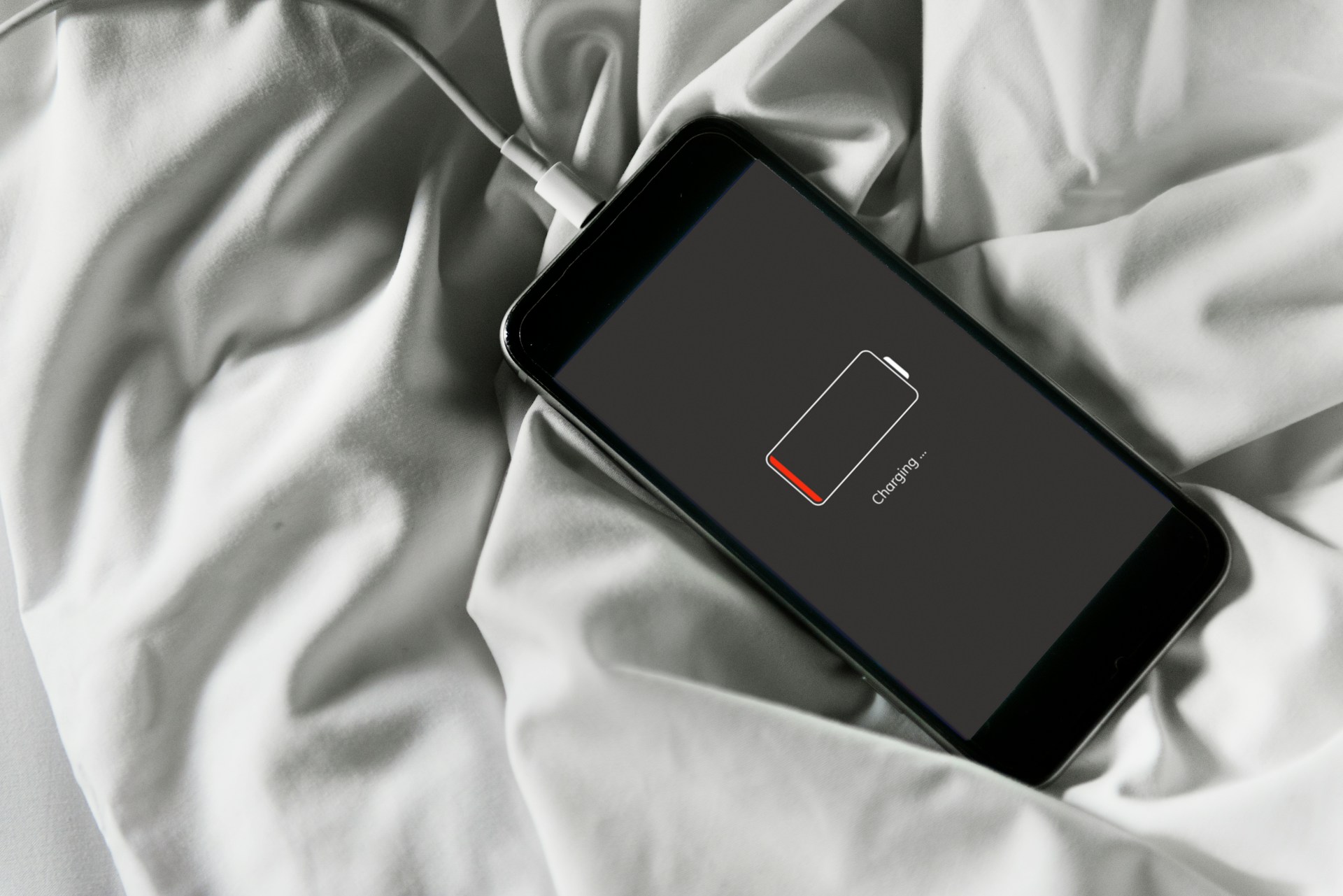
It’s common to notice your phone battery dropping faster than expected, even during normal use. Many people ask why does my phone battery drain so fast, especially when usage seems consistent. The answer usually comes down to how much the phone is doing at any given moment. When more systems are active at the same time, the battery level drops more quickly.
It usually comes down to how much the phone is doing at one time
A phone does not use power in a steady, fixed way. The screen, apps, background processes, and wireless connections all draw energy at the same time, and the total changes based on current activity.
When several of these systems are active together, demand increases. This is why the battery may drop slowly at one point and more quickly at another. The difference reflects how much the device is handling at that moment.
You may notice it more during certain everyday situations
Battery drain becomes more noticeable in situations where multiple systems are active at once. Using video apps, navigating with maps, or moving through areas with weaker signal all increase overall activity.
At the same time, some processes continue even when the phone is not in use. Background syncing, app refresh, and ongoing connections add to total demand. These patterns are part of normal operation and contribute to how the battery level changes, similar to how apps running in the background affect overall activity.
Several systems stay active in the background to keep the phone ready
A smartphone is designed to stay updated and responsive. To support this, it continues running background processes that keep apps current and maintain connections.
These processes include syncing data, checking for updates, and preparing notifications. Each one uses a small amount of power, but together they create a steady level of energy use. When combined with active use, the total demand increases. This ongoing activity is also part of what’s described in cloud syncing, where data stays updated across devices.
Activities that keep the screen, data, and processing active at the same time use more power
Some types of activity place a higher combined demand on the phone. Streaming video, loading image-heavy content, or using navigation keeps the screen on, data flowing, and processing active at once.
This combination keeps several systems running continuously rather than in short bursts. As a result, the battery level drops more quickly during these periods compared to lighter use.
Battery drain changes throughout the day as activity changes
Battery use is not constant. It shifts throughout the day based on how the phone is being used and what the system is handling in the background.
Short bursts of activity, such as opening apps or loading content, can cause the battery percentage to drop more quickly for a period of time. When activity decreases, the rate of battery use also slows. This creates a pattern that can feel uneven but reflects changing demand.
The overall pattern reflects normal device behavior rather than a single issue
A fast drop in battery percentage can stand out, especially when it happens over a short period. This can make it seem like something is not working as expected.
In most cases, the change reflects a temporary increase in system activity rather than a single underlying problem. The battery level is responding to current demand, not signaling a specific fault.
Putting it all in context
A phone battery drains faster when multiple systems are active at the same time and demand increases. The screen, apps, background activity, and connections all contribute to how quickly the percentage changes.
Because these factors shift throughout the day, battery behavior changes with them. What appears to be rapid drain is a direct reflection of how the device is operating under current conditions.
There’s a lot packed into the phone or tablet you use every day. Explore more about its features, settings, notifications, and behaviors.