
What Is Mold
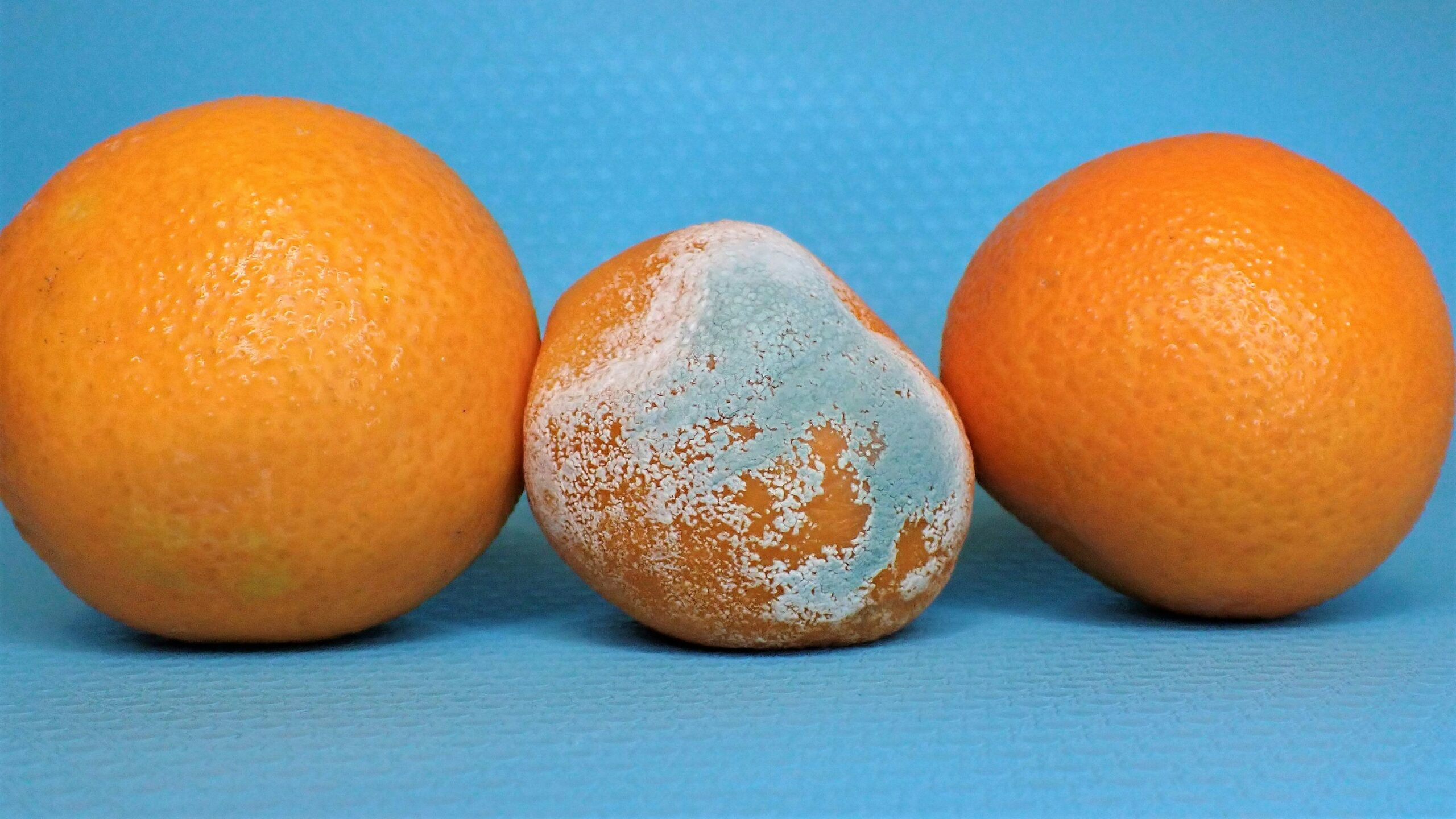
Mold is a word most people recognize, even if the exact meaning is not always clear. It often comes up when a surface changes in appearance or when a space develops a distinct odor. The question usually follows a visible or noticeable shift in an indoor area. This article explains what mold is and how it forms, without judging whether its presence is acceptable or suggesting how it should be handled.
When mold is identified as living growth instead of surface discoloration
Mold is a type of fungus that exists naturally in the environment. When people ask what is mold, they are usually referring to visible growth that develops on surfaces over time. Mold consists of microscopic organisms that reproduce by releasing tiny particles into the air. Those particles settle onto surfaces and, when conditions allow, grow into visible colonies.
Unlike dust, dirt, or staining, mold is alive. It expands gradually and responds directly to moisture and available material. It does not originate from a single point inside a building. Mold organisms are present both outdoors and indoors, and visible growth occurs when environmental conditions support biological development.
Where small patches or musty odors tend to appear inside buildings
Mold is often first noticed in enclosed areas where moisture lingers. Window frames, bathroom surfaces, basement walls, and storage areas are typical examples. These spaces experience shifts in humidity, condensation, and airflow throughout the day.
Visually, mold may appear as scattered spots, irregular patches, or areas of darker shading. Colors range from white and gray to green or black. In some cases, an earthy or musty smell becomes noticeable before any clear visual change. These developments usually happen gradually rather than all at once.
In indoor spaces, mold growth is often connected to moisture patterns such as condensation forming on cooler surfaces. A similar environmental pattern is explained in what does condensation on windows mean, where temperature and humidity differences create visible surface changes.
How mold growth begins when airborne particles meet moisture
Mold particles are consistently present in indoor and outdoor air in small amounts. When these particles settle on a surface that contains moisture and organic material, growth can begin. Materials such as wood, paper, drywall, and fabric naturally provide nutrients that allow mold to develop.
This process does not require unusual events. Indoor air regularly contains moisture from humidity and temperature changes. When moisture remains on a compatible surface long enough, mold colonies can form and become visible. Growth reflects the interaction between air, moisture, and material rather than surface damage alone.
Why mold is sometimes mistaken for dirt, staining, or aging materials
Mold can resemble residue or discoloration, especially in early stages. Because it often appears uneven or muted in tone, it may blend into surrounding surfaces. This similarity leads to confusion between biological growth and surface wear.
Another reason for uncertainty is variation. Mold does not look identical in every location. Different species grow in different patterns, which means visual appearance alone does not always provide clear identification. This variation contributes to the assumption that mold only appears under specific or extreme circumstances, even though it can develop in many ordinary indoor settings.
What the presence of mold reflects about indoor conditions
When mold is visible, it indicates that moisture and suitable surface material have been present together long enough for growth to occur. It does not appear instantly and is not caused by a single isolated action. Instead, it develops when environmental factors align in a consistent way.
Mold is widely observed across buildings of different ages and types. Its presence reflects how air, temperature, and moisture interact within enclosed spaces. While frequently encountered, mold growth is not intentional or designed. It is a biological response to environmental conditions.
Putting it all in context
Mold is a naturally occurring fungus that becomes visible when airborne particles settle on moist surfaces and begin to grow. It develops gradually and often appears in enclosed areas where humidity and surface material interact. Understanding what mold is clarifies how biological growth can occur indoors, without implying that its presence is preferable, intended, or acceptable.
Homes have a way of giving you things to wonder about. Explore more explanations for the sounds, smells, changes, and problems you notice around the house.