
What Happens When Food Spoils
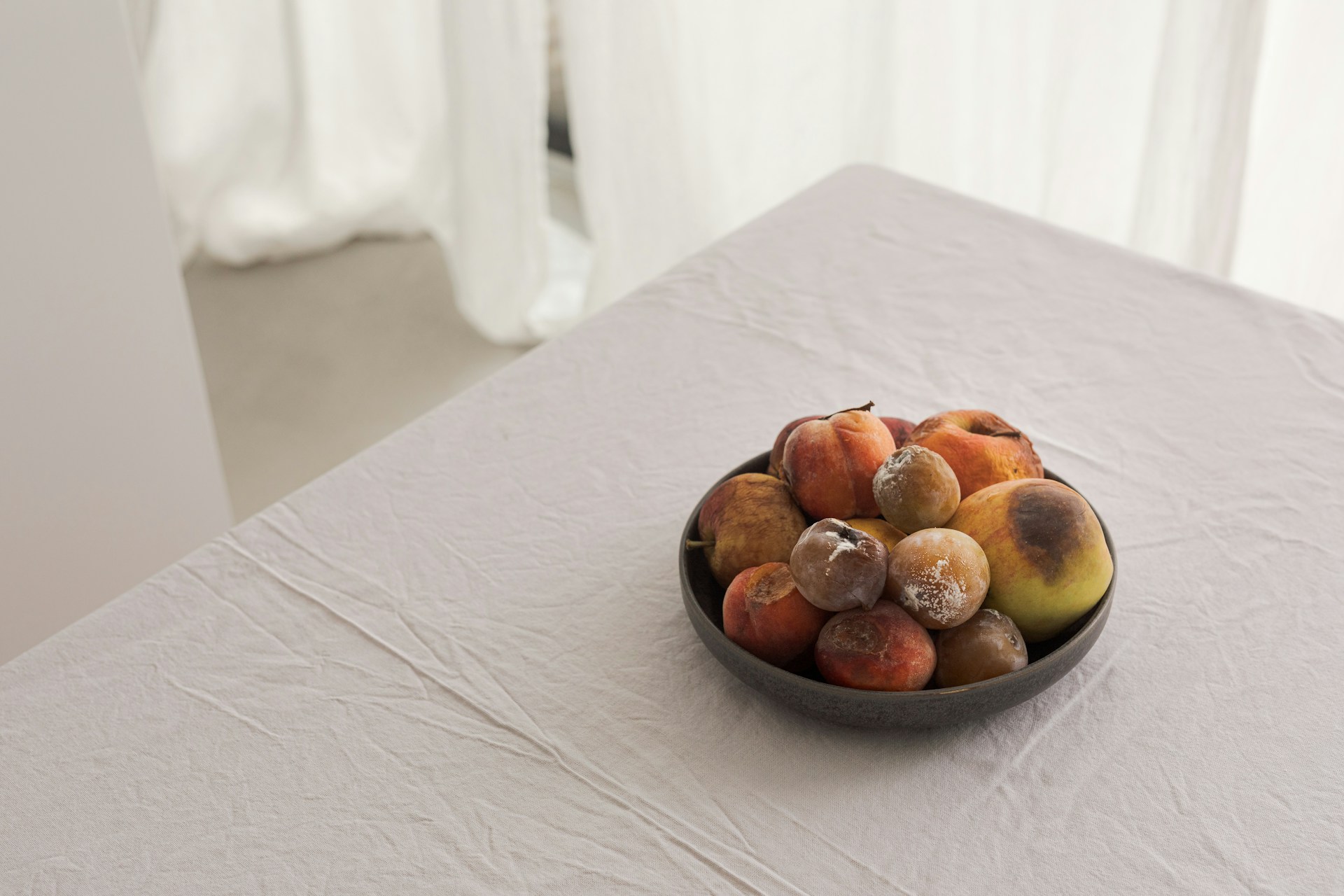
Food does not stay the same once it has been harvested, prepared, or stored. Over time, its structure begins to break down, and its smell, texture, and appearance can shift in noticeable ways. That gradual breakdown is what people are observing when they wonder what happens when food spoils. The process is natural and expected. It reflects how organic material behaves once it is no longer fresh.
How food moves from stable to visibly changed
What happens when food spoils is primarily a matter of structural breakdown driven by natural biological and chemical activity. Food contains water, nutrients, and complex organic compounds. Once it is no longer part of a living system, those components continue interacting with their environment.
As that interaction continues, the internal structure of the food weakens. Cells break down. Chemical reactions produce new compounds. Microorganisms that are normally present in the environment begin interacting with the food’s surface and interior. Spoilage is simply the stage at which those internal changes become noticeable from the outside.
The signs that make spoilage noticeable
There are several ways spoilage becomes apparent. Produce may soften or collapse slightly. Cooked food can develop a sharper or sour smell. Bread might show visible surface growth that was not present before. These changes often seem sudden, even though they developed gradually.
Texture is frequently the first clear indicator. Foods that were firm can become mushy, sticky, or slippery. Smell is another common sign. A once neutral scent may shift toward sour, musty, or fermented notes. Visual differences such as uneven color, dull surfaces, or visible spots reflect internal changes reaching the surface.
Why moisture and composition affect how quickly food changes
Not all foods shift at the same rate. Moisture content plays a central role because water supports the biological and chemical reactions involved in breakdown. Foods with higher moisture levels tend to show noticeable changes sooner than those that are dry or heavily processed.
Composition also matters. Sugars, proteins, and fats each respond differently as they break down. Air exposure can further influence how quickly surface changes appear. These variables explain why spoilage patterns differ between fresh produce, cooked meals, baked goods, and packaged items.
The ongoing reactions taking place inside the food
At a basic level, spoilage is the result of continued chemical reactions and microbial activity. Even after food is stored, its molecules remain active. Enzymes continue functioning. Natural microorganisms interact with nutrients that provide energy for growth.
As these reactions proceed, they create new substances. Sugars may ferment into acidic compounds. Proteins can break apart into smaller molecules with stronger odors. Fats may oxidize and develop distinct smells. These internal reactions alter the food’s structure and sensory qualities. Nothing unusual is required for this to occur. It is the expected behavior of organic material exposed to ordinary environmental conditions.
Why spoilage is often misunderstood as a single moment
Spoilage is sometimes thought of as a sudden event, as if food shifts from fresh to spoiled all at once. In reality, it is a gradual transition. The changes build over time and only become noticeable when they pass a visible or sensory threshold.
Another common assumption is that spoilage indicates an error. In most cases, it reflects normal biological and chemical processes rather than misuse. Food naturally changes as time passes. The visible signs are simply markers of those internal processes reaching a stage that can be detected.
In some cases, visible growth may resemble what is explained more broadly in What Mold Is and how it forms.
What spoilage ultimately reflects about food
Food spoilage indicates that organic material is continuing to react with its surroundings. It reflects time, exposure, and the inherent instability of biological matter once removed from its original source. These changes are not random and do not require unusual conditions.
Rather than representing a failure, spoilage demonstrates that food remains active at a molecular level even after preparation or packaging. The shifts in smell, texture, and appearance are outward expressions of that continued activity.
Putting it all in context
Food spoiling is a predictable outcome of how organic material behaves over time. The noticeable changes in smell, texture, and appearance are signs of ongoing breakdown driven by natural biological and chemical processes. This progression is common and expected. It reflects the ordinary way food responds to moisture, air, and time once it is no longer fresh.
Homes have a way of giving you things to wonder about. Explore more explanations for the sounds, smells, changes, and problems you notice around the house.