
What Happens When a Flight Is Delayed
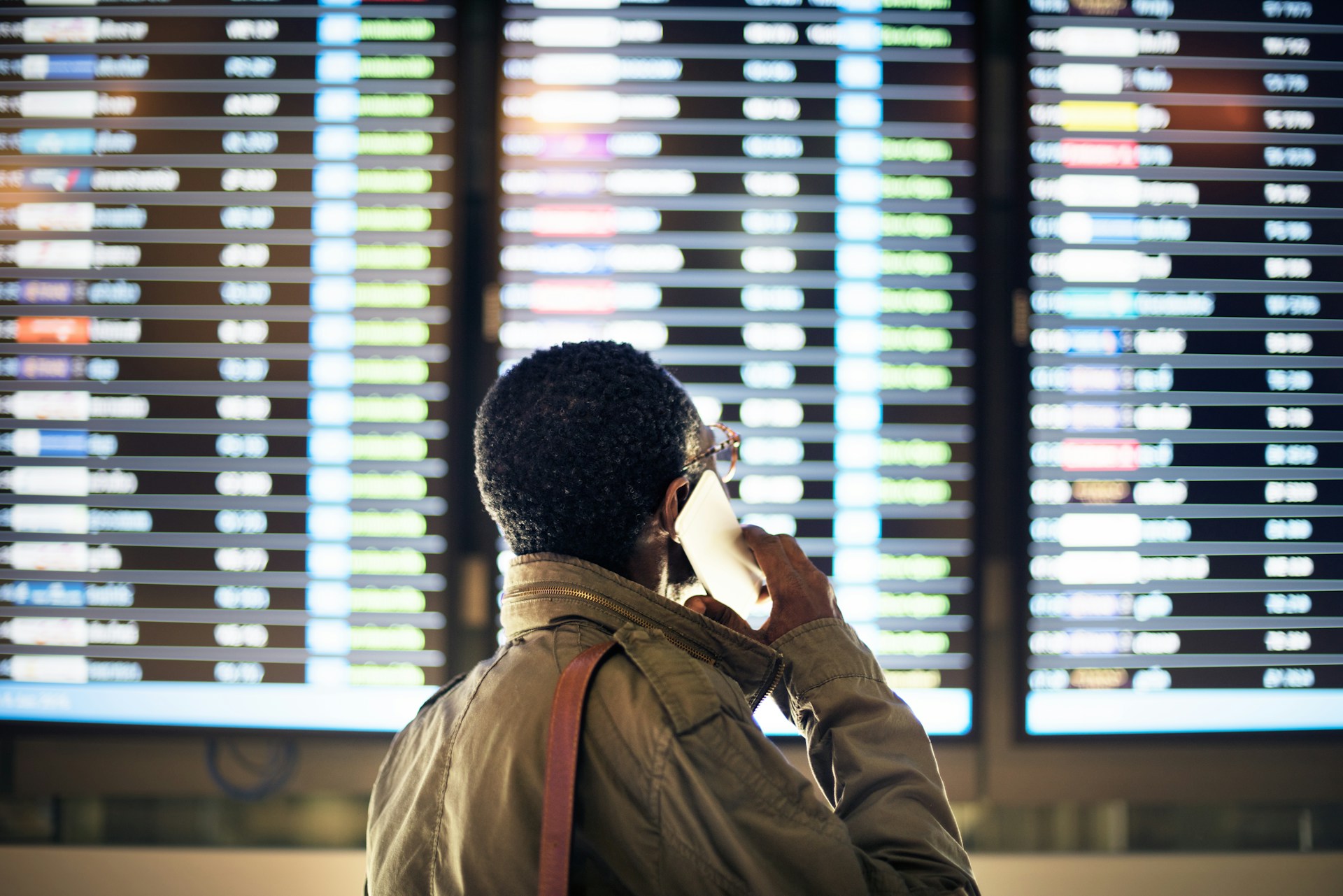
It’s common to wonder what happens if my flight is delayed. In most cases, a delay simply means the departure time has shifted later than originally scheduled. The flight is still planned to travel to the same destination with the same flight number. What changes is the timing, not the purpose of the trip.
Air travel operates on coordinated schedules. When one part of that schedule adjusts, the departure time can move to reflect those changes.
The system adjusts the clock while keeping the route in place
A delayed flight remains part of the airline’s operating plan. The aircraft, crew, and destination stay assigned to that route. Airline systems update the departure time across airport boards, mobile systems, and internal operations so everyone is working from the same information.
This adjustment reflects how airlines manage timing across many flights in a single day. A delay signals that the flight is still expected to operate, but at a later departure window. It is a scheduling change rather than a cancellation. In the same way, when flights are overbooked involves operational adjustments within the airline’s system rather than a change to where the aircraft is going.
Delays fit into the daily rhythm of airport operations
Airports handle constant movement. Aircraft arrive from other cities, crews rotate between flights, and runways operate within carefully managed traffic patterns. If one arrival comes in later than planned, that timing can carry forward to the next departure. When traffic spacing changes in the air or on the ground, departure times may shift to maintain order and safety.
From a traveler’s perspective, this shows up as a new time on a departure board. Around it, the airport continues functioning. Other flights depart and arrive, gates turn over, and operations continue. A delay is one adjustment within that larger flow.
Multiple moving parts stay coordinated behind the schedule
Each flight connects to a wider network. Aircraft typically operate several routes throughout the day. Crews follow regulated duty schedules. Air traffic control assigns takeoff and landing sequences so aircraft move in structured intervals.
When timing shifts in one place, the system recalibrates. That recalibration may result in spacing departures differently or holding a flight briefly until its arrival slot aligns. These adjustments are built into how airlines manage complex schedules across cities and regions.
Rather than signaling a breakdown, a delay reflects the system absorbing variation while preserving overall coordination.
A delay does not automatically signal a larger disruption
Seeing a delayed status can create the impression that something unusual has happened. In reality, most delays represent routine schedule realignment. They do not automatically mean mechanical trouble, route changes, or cancellation.
Another common assumption is that every delay follows the same pattern. In practice, each one reflects specific operational conditions at that moment, such as aircraft sequencing, runway availability, or arrival timing from another city. The shared feature is the same: the departure time shifts while the flight itself remains planned. Similar timing adjustments also explain what happens when baggage is delayed, since luggage systems are linked to aircraft schedules and arrival flow.
The destination and purpose remain steady
When a departure time changes, the flight’s role in the network stays consistent. The aircraft is still scheduled to travel to the same city as part of the airline’s route structure. Delays adjust timing so flights depart in a sequence that keeps the broader system orderly.
Air travel depends on synchronization between airports, aircraft, and airspace capacity. Timing adjustments are one of the ways that synchronization is maintained in real time.
Putting it all in context
A flight delay represents a change in departure timing within a coordinated transportation system. The route, destination, and overall plan usually remain in place. Airports and airlines regularly adjust schedules to reflect real-world conditions while keeping operations aligned. A delayed status on a board is simply the visible sign of that adjustment at work.
There’s a whole process between arriving at the airport and reaching your destination. Explore more about flights, airports, airlines, baggage, and security.