
What Happens When Baggage Is Delayed
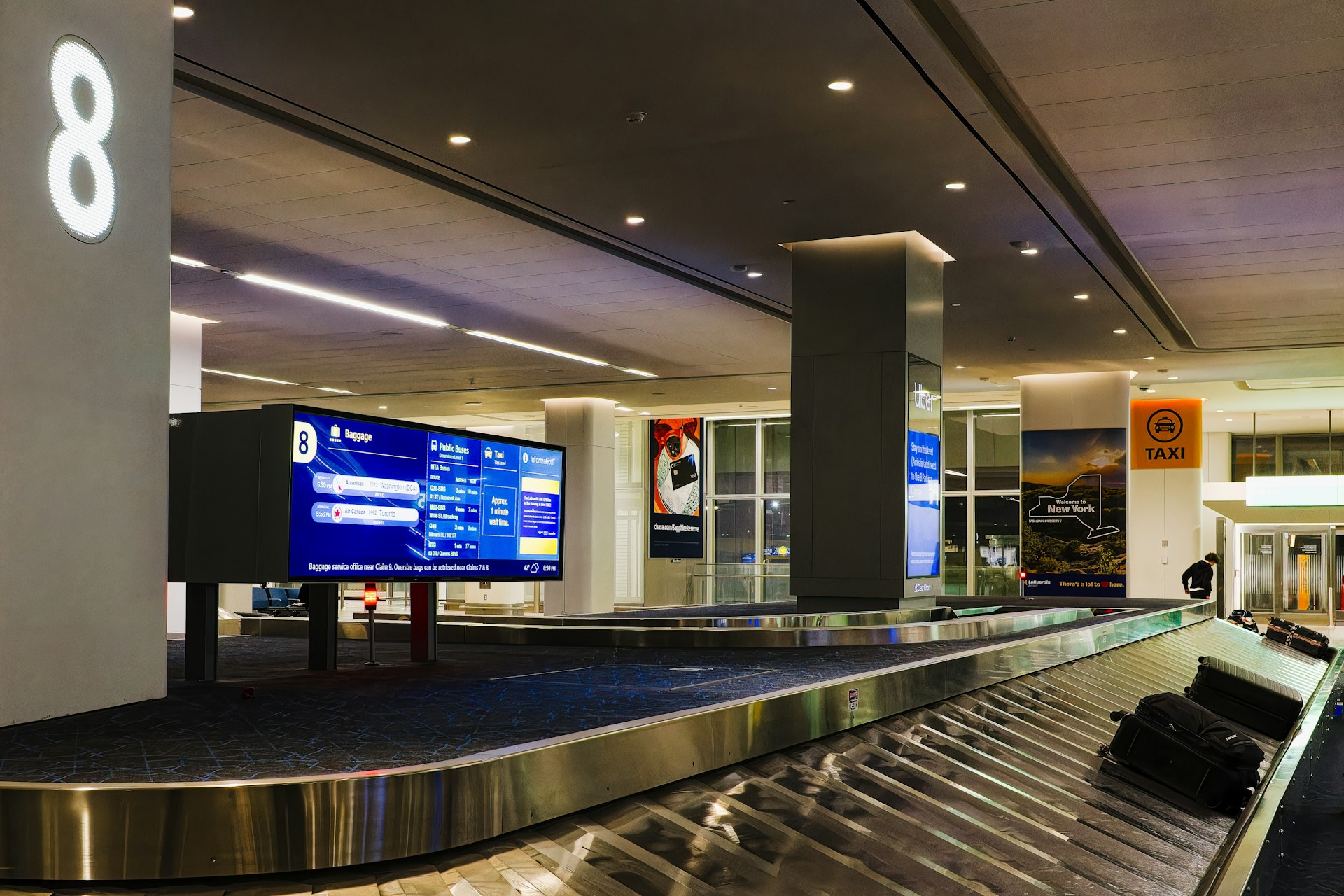
Most flights end with luggage arriving on the carousel shortly after landing. When a suitcase does not appear, the situation usually falls into a standard airline category called delayed baggage. This term has a specific operational meaning. It indicates the bag is still tracked within the airline’s system but did not arrive on the same aircraft as the passenger.
A missing bag at the carousel usually reflects a routing shift
A delayed bag means the airline’s tracking system shows the suitcase in its network, but not on the expected flight. The most common reason is a transfer that did not align with departure timing. Bags move separately from passengers and follow loading schedules that depend on aircraft turnaround, gate positions, and cargo sequencing.
When someone searches my luggage didn’t arrive what now, the question is typically about status. In airline systems, delayed does not mean unlocated. It means the bag missed its assigned aircraft and has been rerouted toward the same destination on a later flight.
Transfers between aircraft are where timing gaps occur
Delayed baggage most often happens during connecting trips. When an inbound flight arrives later than scheduled, the window to unload, sort, and reload luggage becomes narrower. Ground crews work within defined departure times, and aircraft must leave according to slot assignments and traffic coordination.
If a connection window tightens, a small number of bags may not complete the transfer before departure. Those bags are separated within the system and reassigned. The passenger may reach the connecting aircraft while the luggage is routed onto the next available departure heading to the same airport.
Aircraft substitutions can also affect loading plans. When planes are swapped, cargo compartments may differ in size or configuration, which can change how bags are distributed. Similar system-based timing shifts can also be seen in air travel more broadly, such as when a flight is delayed.
Each suitcase is scanned and tracked throughout its journey
At check in, a barcode tag is attached to each checked bag. That code links the suitcase to a specific itinerary in the airline’s database. From that point forward, the bag is scanned at several handling stages, including loading, transfer, and arrival.
If a bag misses a flight, the most recent scan shows where it is within the airport system. The software then associates it with a new flight traveling to the same destination. This reassignment is part of routine baggage handling procedures.
Airports process large volumes of luggage through conveyor systems, sorting equipment, and ground transport vehicles. These systems are designed to keep bags moving even when flight timing changes. A delay typically reflects a brief sequencing mismatch rather than disappearance from the system.
Delayed and lost are separate operational categories
A suitcase that does not appear at baggage claim is not automatically classified as lost. Lost baggage refers to items that cannot be located within tracking records after system searches. Delayed baggage, by contrast, remains visible within scanning data.
Another common assumption is that luggage always travels on the same aircraft as the passenger. Airlines aim to coordinate both movements, but baggage is handled as cargo within aircraft weight and balance planning. If space, sequencing, or timing shifts, a bag may travel on a different flight without affecting passenger transport.
The distinction between delayed and lost exists because airlines track bags continuously. When scan data remains active, the bag stays within the delayed category. Other operational classifications in air travel, such as when flights are overbooked, also reflect how airlines manage capacity within structured systems.
Airline networks are built to manage high volumes with built in rerouting
Commercial aviation operates as a connected network of airports, aircraft rotations, and cargo handling systems. Flights depart and arrive in coordinated patterns throughout the day. Within this structure, luggage is sorted and assigned based on routing data and aircraft availability.
Occasional timing gaps are part of operating at scale. When one segment of the network shifts, such as a late arrival or gate reassignment, baggage systems adapt by redirecting items through the next available path. The process is automated and monitored through tracking software.
From an operational standpoint, delayed baggage reflects how large transportation systems absorb minor timing disruptions while maintaining traceability.
Putting it all in context
Delayed baggage is a standard classification within airline operations. It usually means a suitcase missed a transfer or was reassigned to a later flight but remains tracked in the system. Airports and airlines move significant volumes of luggage every day, and occasional routing adjustments are part of how coordinated air travel networks function under normal conditions.
There’s a whole process between arriving at the airport and reaching your destination. Explore more about flights, airports, airlines, baggage, and security.