
What Does Connecting Flight Mean
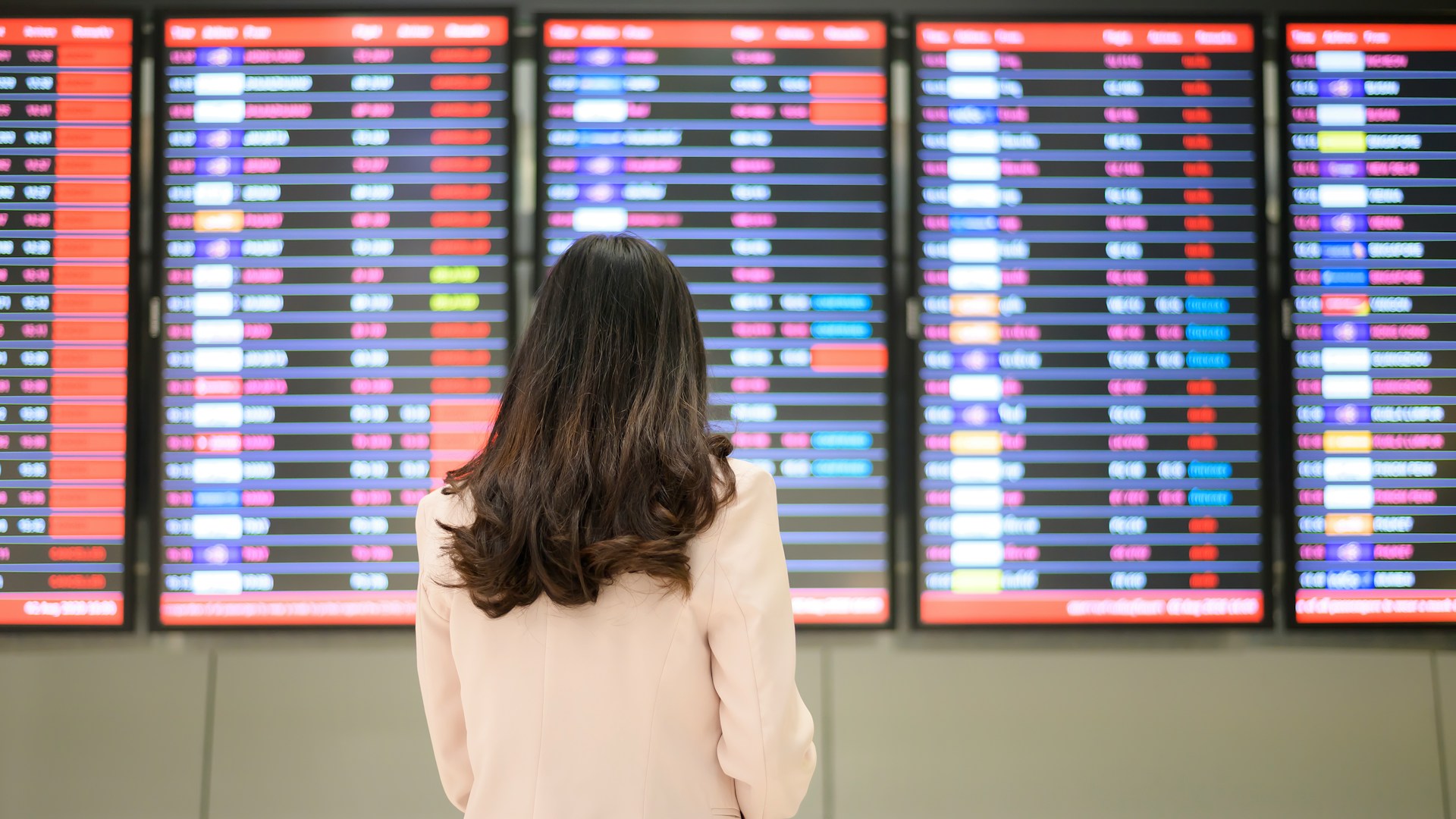
When people search for what does connecting flight mean, it is usually because the phrase appears while looking at flight options. A connecting flight is a trip that requires changing planes at an intermediate airport before reaching the final destination. Instead of traveling on one aircraft from start to finish, the journey is divided into separate flight segments.
Airline listings often show nonstop, direct, or connecting flights without much explanation. The term may sound technical, but it describes a routine part of how airline routes are organized.
A connecting flight involves changing planes along the way
With a connecting flight, the aircraft used for the first part of the trip is not the same one used for the second part. After landing at an intermediate airport, passengers board another plane that continues to the next city.
This intermediate stop is often called a connection point or layover airport. The overall trip is still structured as one itinerary, but it includes at least one aircraft change. The defining feature is not simply stopping at another airport. It is the transfer from one plane to another as part of the same journey.
You land in one airport and then continue on a different aircraft
In everyday terms, a connecting flight means the route is broken into stages. For example, someone traveling from a smaller city to a major destination might first fly to a larger airport. From there, they board a different plane that continues to the final location.
This pattern is common in airline networks. Many flights are scheduled to arrive at central airports where passengers transfer to other departures. On a booking screen, the trip appears as one journey, even though it includes more than one aircraft. Similar system-based adjustments can also occur during scheduling changes, such as when a flight is delayed, where routing and aircraft assignments shift within the airline network.
Airlines organize routes through central hub airports
Behind the scenes, connecting flights are part of a larger route structure. Airlines build their schedules around hub airports that link many incoming and outgoing flights. Aircraft from smaller or regional airports arrive at these hubs, and passengers transfer to planes serving longer or more distant routes.
This system allows airlines to connect more cities without operating nonstop service between every possible pair of locations. Instead of flying directly between two smaller cities, the airline routes both through a shared hub. The connection reflects how the network is designed to group passengers and coordinate schedules efficiently.
It is different from nonstop and direct flights
A nonstop flight travels from departure city to destination without landing elsewhere. A connecting flight includes at least one stop where passengers change aircraft.
A direct flight may land at another airport but continue on the same plane. In that situation, passengers typically remain on the aircraft during the stop. With a connecting flight, the aircraft itself changes. That transfer is what defines the connection. In some cases, passengers may also see the term standby, which refers to seat assignment status rather than route structure.
The term describes the structure of the trip
When a flight listing shows a connection, it is describing how the journey is arranged within the airline’s routing system. It does not indicate a special category of ticket or an unusual situation. It simply means the route involves more than one aircraft and at least one intermediate airport.
Connecting flights are common on both domestic and international routes. They are often used when there is no nonstop option between two cities or when airlines route traffic through their central hubs. The term reflects the structure of the trip rather than any unique condition during the flight itself.
Putting it all in context
A connecting flight means reaching the final destination requires changing planes at an intermediate airport. The journey is divided into segments, even though it appears as one booking. This structure is a routine part of how airline networks operate and reflects the way routes are organized across different cities.
There’s a whole process between arriving at the airport and reaching your destination. Explore more about flights, airports, airlines, baggage, and security.