
What Is Turbulence
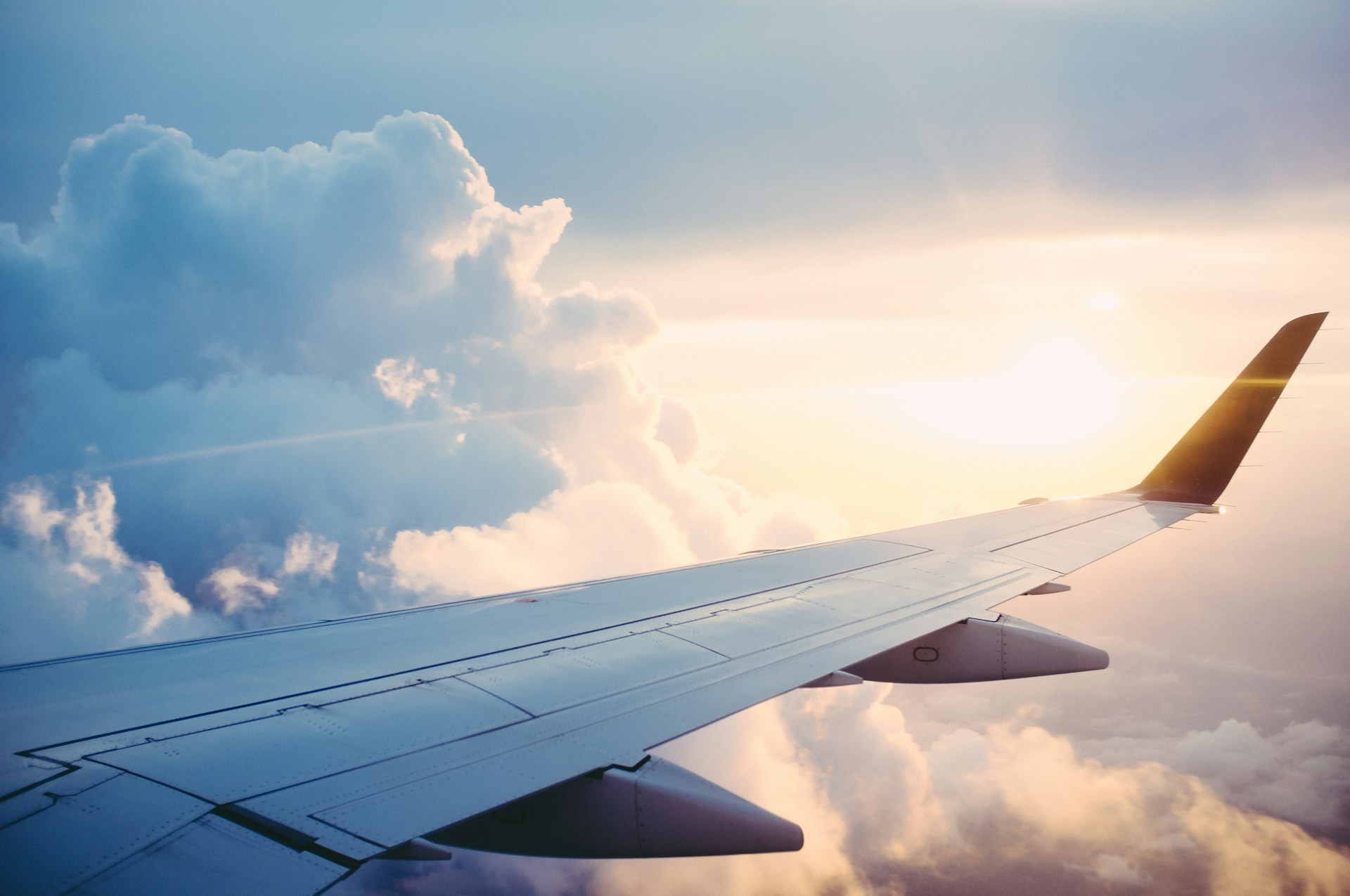
It is common to hear the word turbulence during a flight, especially when an aircraft begins to move unexpectedly. In those moments, many people look for a clearer explanation of what is happening in the air around the plane. The term may sound technical, but it refers to a natural pattern in how air moves through the atmosphere. Understanding that pattern helps explain why aircraft sometimes feel unsteady.
Air in the atmosphere does not always stay in smooth layers
What Is Turbulence? Turbulence is irregular or unstable air movement that occurs when smooth airflow becomes disrupted. Instead of traveling in steady, parallel layers, the air shifts in speed or direction. Those shifts create uneven motion.
Under stable conditions, air flows in relatively smooth paths. When differences in temperature, pressure, or wind speed interrupt that flow, the air becomes mixed and less uniform. An aircraft flying through those uneven currents responds to the changing forces around it. The movement passengers feel reflects variations in the surrounding air rather than changes in how the aircraft is functioning.
Aircraft respond to the air moving around them
Airplanes rely on consistent airflow over their wings to maintain lift. When the air changes speed or direction, the forces acting on the aircraft change as well. That interaction can produce light shaking, brief vertical movement, or subtle shifts from side to side.
These sensations are usually the result of the aircraft moving through air that is rising, sinking, or swirling. The structure of the plane remains intact and under control. The motion comes from the surrounding atmosphere adjusting in real time as the aircraft travels through it.
Temperature, wind, and terrain all influence airflow
The atmosphere is constantly shaped by temperature differences and pressure systems. Warm air rises while cooler air sinks, creating vertical movement. Wind flows from areas of higher pressure to lower pressure, sometimes at different speeds at different heights.
When wind speeds change sharply over a short distance, the result is wind shear, which can create unstable airflow. Mountain ranges can also disturb wind patterns. As air moves over elevated terrain, it may form waves or rotating currents on the downwind side. High-altitude jet streams can introduce additional changes in wind speed that affect the smoothness of the air.
Each of these factors alters how evenly the air flows. Turbulence forms where those variations interact.
Clear skies do not always mean smooth air
Turbulence is often associated with storms or visible clouds, but it can occur without obvious weather activity. Clear air turbulence develops when fast-moving air currents meet slower ones at high altitude. Because there may be no visible cloud formation, the change in airflow is not always apparent from the ground.
In other cases, turbulence develops along the boundaries of large air masses, such as where warm and cold fronts meet. The atmosphere does not divide into perfectly separated layers. Instead, those boundaries can shift and mix, creating areas of uneven motion.
The absence of storm clouds does not guarantee uniform airflow.
Uneven motion is part of normal atmospheric behavior
Air rarely moves in perfectly straight, uninterrupted paths for long distances. As aircraft travel across regions with changing temperatures, pressure systems, and wind patterns, some variability in airflow is expected.
Aviation systems are designed to operate within these naturally shifting conditions. Pilots, weather models, and air traffic coordination take atmospheric patterns into account when planning routes and altitudes. Smaller variations in airflow still occur as part of the broader weather system.
Turbulence reflects how transportation systems function within a dynamic atmosphere rather than outside of it.
Putting it all in context
Turbulence is the result of uneven air movement caused by changes in temperature, pressure, wind speed, and terrain. When an aircraft passes through these shifting currents, passengers may notice brief changes in motion. This behavior reflects the natural variability of the atmosphere and the way aircraft interact with constantly moving air.
There’s a whole process between arriving at the airport and reaching your destination. Explore more about flights, airports, airlines, baggage, and security.