
What Happens When Traffic Slows at a Highway Merge?
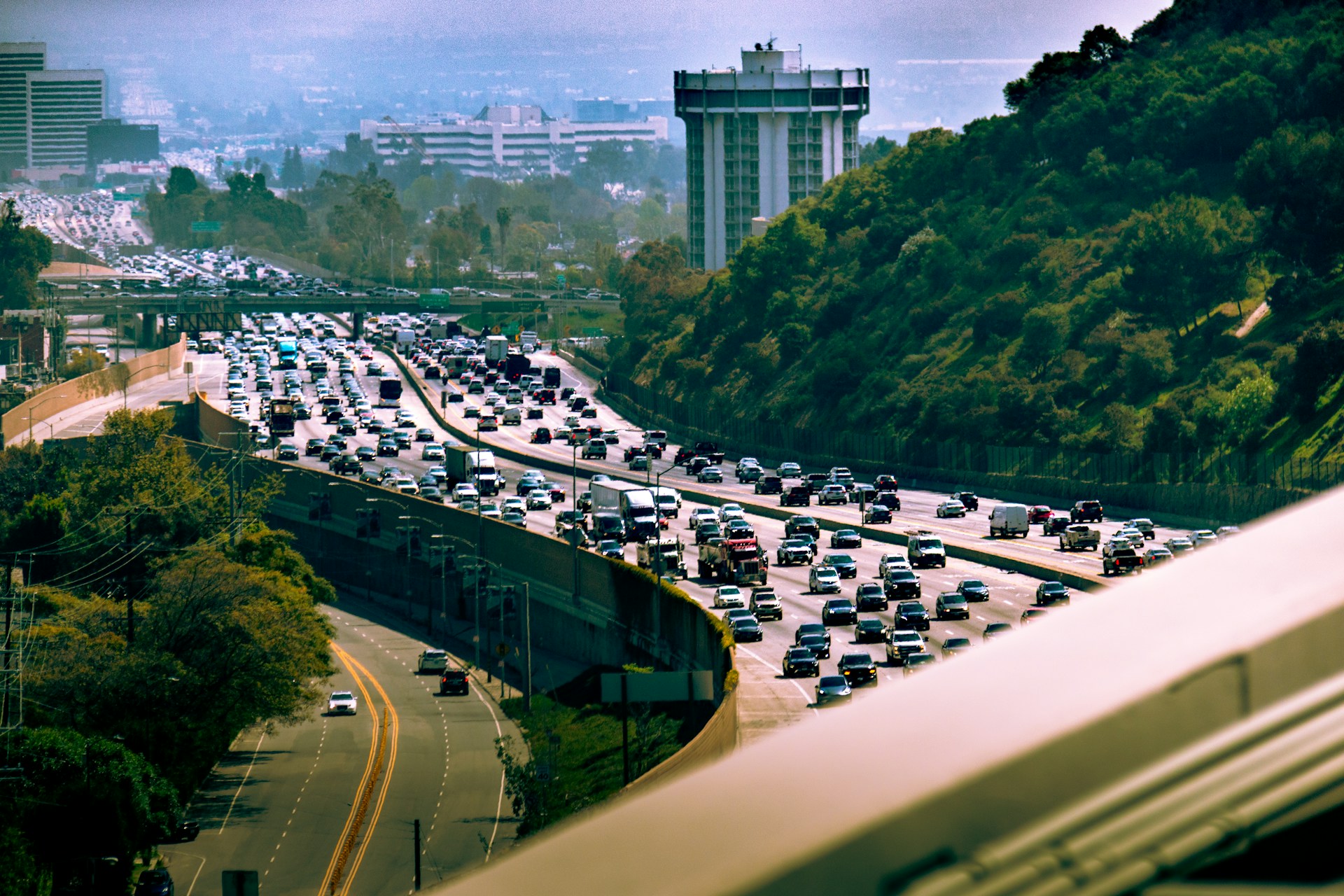
Highway traffic can grind to a crawl near an on-ramp even when nothing seems to be blocking the road ahead. A car entering the highway searches for a gap, nearby drivers tap their brakes or shift lanes, and the ripple begins. One small change in speed can spread from car to car, turning an ordinary merge into a line of brake lights that stretches far beyond the ramp.
Small changes at the merge can turn into a line of brake lights
A car entering from an on-ramp does not have to make highway traffic stop to affect the vehicles behind it. One driver may ease off the accelerator as the car enters. The driver behind reacts a moment later, followed by the next driver.
A slight reduction in speed near the ramp may turn into several drivers braking farther behind it. The result is the familiar stretch of brake lights that seems to appear before there is any obvious reason for traffic to be slowing.
Heavy traffic leaves fewer open spaces for merging cars
When traffic is light, there are usually larger gaps between vehicles. Cars can enter from an on-ramp without everyone around them having to change speed very much.
Those gaps become smaller as the highway gets busier. As more cars enter from the ramp, there are fewer open gaps in that stretch of highway. With cars already closer together, one driver slowing near the merge is more likely to affect the vehicles behind.
The same entrance ramp may barely affect traffic when the road is quiet but become a regular slow spot when the highway is crowded. Individual drivers can affect how smoothly cars move through the merge, but a backup does not require anyone to make a mistake.
The slow spot can move backward along the highway
The cars are traveling forward, but the slowdown itself can appear to move in the opposite direction. A group of cars slows near the ramp and then picks up speed after passing it. The next group reaches the slower traffic and brakes, then eventually moves through it too.
Each new group brakes a little farther back from the merge, so the slow area appears to move backward along the highway. Traffic researchers call this a traffic wave.
That is why traffic can suddenly start moving normally again without a crash, stalled vehicle, or blocked lane ever coming into view. By the time a driver reaches the ramp, the cars that first slowed there may already be well down the highway.