
What Is Body Temperature
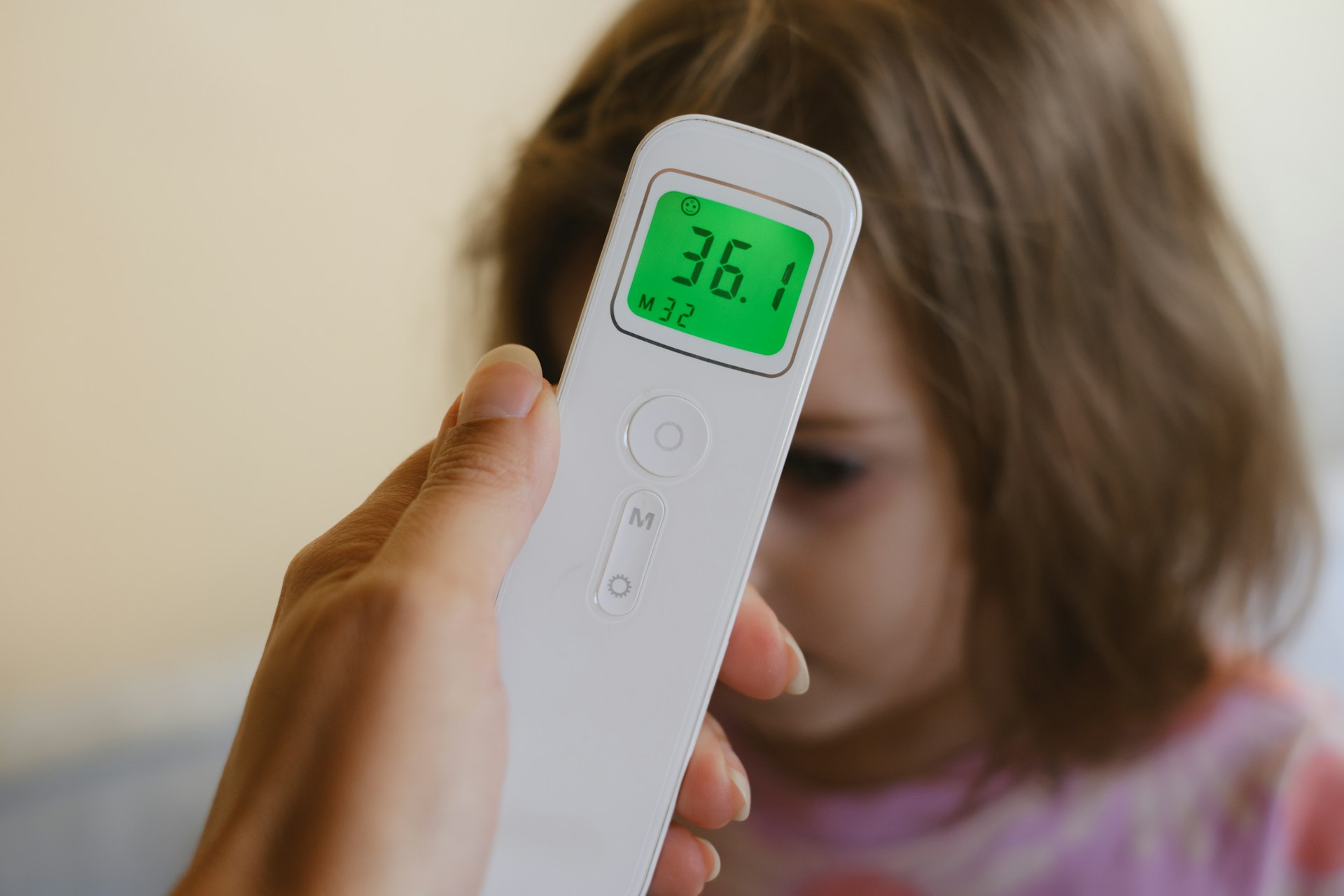
Body temperature is a measure of the balance between the heat the body produces and the heat it releases. It reflects how the body maintains stable internal conditions while carrying out normal functions such as metabolism, circulation, digestion, and movement.
A temperature reading is not a fixed characteristic of the body. It represents a single moment in a process that is continuously changing as the body responds to internal activity and the surrounding environment. Because heat is constantly being created and released, body temperature naturally rises and falls throughout the day.
The number on a thermometer reflects a moving process
Body temperature is often discussed as though it were a single number, but the body does not operate that way. Heat is continuously produced as cells use energy, muscles work, and organs carry out their normal functions.
At the same time, heat is constantly leaving the body through the skin, breathing, and contact with the surrounding environment. A temperature reading reflects the balance between these two activities at a specific moment.
This is why body temperature changes over time rather than remaining exactly the same from morning to night.
Daily conditions can influence temperature readings
Body temperature naturally changes throughout the day. Activity, rest, sleep, meals, and environmental conditions can all affect how much heat the body is producing or retaining.
The timing of a measurement can influence the result. A reading taken after physical activity may differ from one taken during a period of rest because the body’s heat production is different in those situations.
Environmental conditions also play a role. The body is constantly responding to surrounding temperatures, adjusting how much heat it conserves or releases as conditions change.
The body has systems for managing heat
Temperature regulation is coordinated by several systems working together. A region of the brain called the hypothalamus helps monitor temperature conditions and coordinate responses throughout the body.
When the body needs to release more heat, blood flow near the skin can increase and sweating can occur. When heat needs to be conserved, blood vessels near the skin can narrow and muscles can generate additional heat through shivering.
These adjustments happen automatically. The body continuously responds to changing conditions without requiring conscious control of the process.
One temperature does not define normal
A common misunderstanding is that there is a single body temperature that applies equally to every person. In reality, temperature exists within a range that can vary between individuals and across different situations.
Measurement methods can also affect readings. Oral, ear, forehead, and other temperature measurements may produce slightly different results because they measure heat from different locations.
As a result, body temperature is better understood as a dynamic measurement than a permanent number that remains unchanged throughout the day.
Temperature reflects activity happening throughout the body
Body temperature is connected to many ongoing processes. Energy use, circulation, hormone activity, muscle activity, and environmental responses all influence how much heat is produced or lost at a given time.
For that reason, a temperature reading is not simply a measure of warmth. It reflects the combined effect of many systems operating together. The number recorded on a thermometer captures a brief snapshot of that larger process. Similar interactions between multiple body systems can also be seen when discussing internal bodily responses.
Putting it all in context
Body temperature reflects the balance between heat production and heat loss occurring throughout the body. Rather than remaining fixed, it changes as internal activity and environmental conditions influence how heat is generated, retained, and released.
A thermometer provides a measurement of that process at a specific moment. The reading may vary over time because the body is continuously adjusting to maintain stable internal conditions while carrying out its normal functions.
Discover how physical processes work in everyday situations within the Health & Body category.