
What Is Circulation
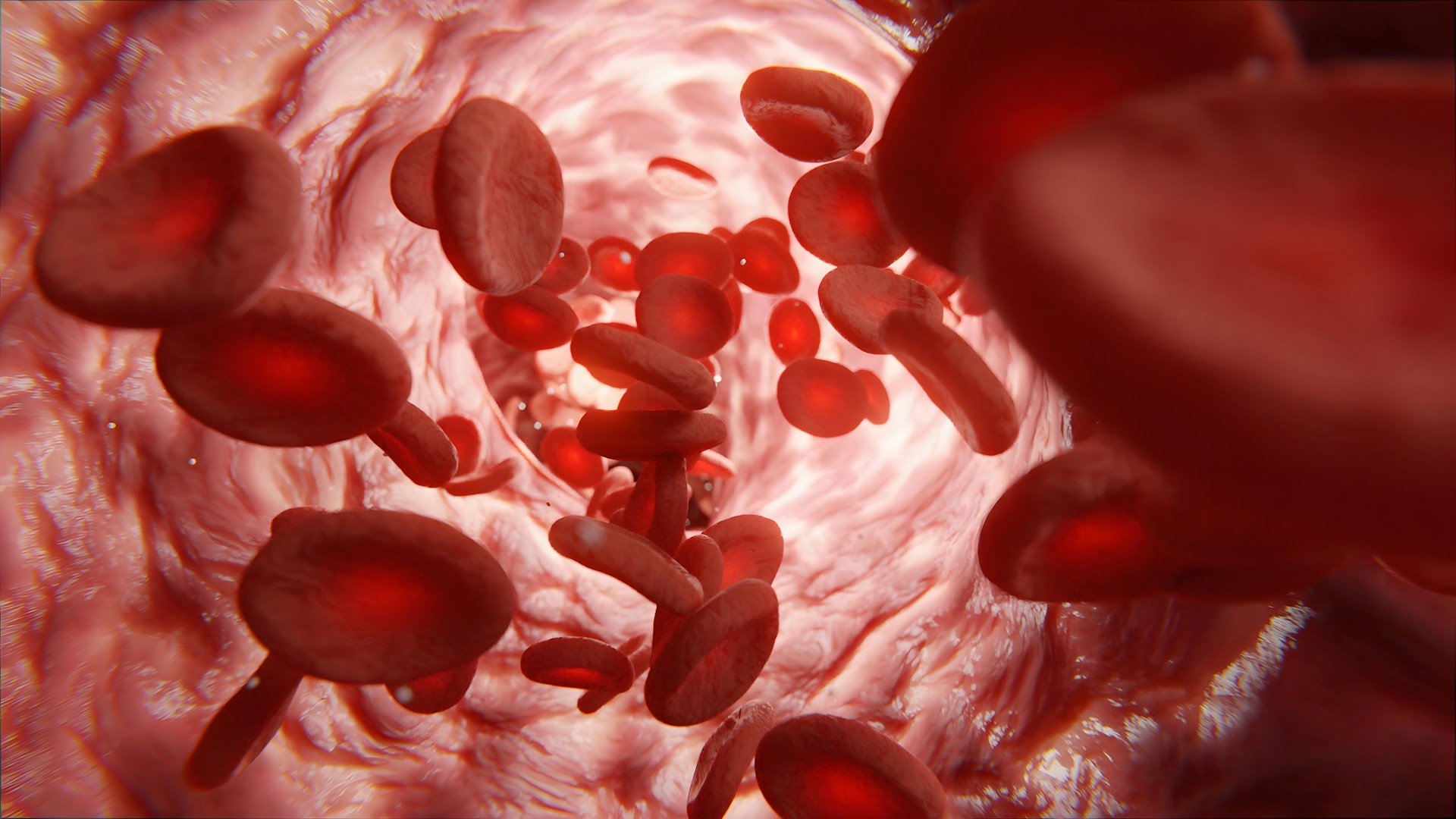
Circulation is the continuous movement of blood through the body. The heart pumps blood into a network of blood vessels, allowing oxygen, nutrients, hormones, and other substances to reach tissues while carrying waste products away. This continuous process supports the normal function of organs, muscles, and other body systems.
In health discussions, the word “circulation” almost always refers to the movement of blood through the circulatory system, although the term can sometimes describe the movement of other fluids within the body.
Blood moves through a connected network
Blood circulation relies on three main parts working together: the heart, blood vessels, and blood. The heart acts as a pump, arteries carry blood away from the heart, capillaries allow exchanges with body tissues, and veins return blood to the heart.
As blood moves through this network, it delivers oxygen and nutrients that cells use to function. It also collects carbon dioxide and other waste products so they can be processed or removed by other organs. Even though the circulatory system functions as one connected network, several pathways operate at the same time. Blood keeps moving continuously, including during sleep and periods of rest.
Blood flow changes throughout the body
Circulation does not send the same amount of blood to every tissue all the time. Instead, blood flow shifts as different parts of the body require more oxygen or nutrients. This allows the circulatory system to support many body functions at once without changing its overall purpose.
For example, muscles generally receive more blood during physical activity because they require more oxygen. After eating, the digestive system receives increased blood flow while food is being processed. Blood vessels near the skin can also widen or narrow as the body helps regulate temperature. These changes happen automatically through normal body processes while circulation continues throughout the entire body.
The circulatory system follows a continuous cycle
Each heartbeat pushes blood into the arteries under pressure. As the blood travels farther from the heart, arteries branch into smaller vessels until they reach tiny capillaries. The thin walls of these capillaries allow oxygen, nutrients, and other substances to move between the blood and nearby cells.
After these exchanges take place, blood enters small veins that gradually join into larger veins. These veins return blood to the heart, where it is pumped toward the lungs. In the lungs, carbon dioxide leaves the blood and oxygen enters before blood returns to the heart and begins another trip through the body.
Because the body’s activity changes from moment to moment, the circulatory system continually adjusts where blood is directed while maintaining the same overall cycle of movement.
Circulation is more than blood flow
A common misunderstanding is that circulation only refers to how quickly blood moves. In reality, circulation describes the entire process of blood traveling through the heart and blood vessels while transporting oxygen, nutrients, hormones, waste products, and other substances throughout the body.
Another misconception is that circulation is either “good” or “bad” everywhere at the same time. Blood flow naturally varies between different tissues depending on what the body is doing. A temporary increase or decrease in one area is often part of the body’s normal operation rather than a change affecting the entire circulatory system.
People also sometimes use “circulation” and “circulatory system” as if they mean the same thing. The circulatory system is the network of organs and blood vessels, while circulation is the movement of blood through that network.
Circulation links the body’s systems
Circulation works alongside several other body systems rather than operating on its own. The lungs add oxygen to the blood, while the digestive system supplies nutrients that enter the bloodstream. The kidneys help filter waste products, and the circulatory system transports these materials where they are needed.
Blood also carries hormones released by glands and transports immune cells throughout the body. Because nearly every tissue depends on blood flow, circulation links the work of many organs into one coordinated process. Rather than serving one purpose, it acts as the body’s transportation system, continuously moving materials from one location to another.
Putting it all in context
Circulation is the continuous movement of blood through the heart and blood vessels. It allows oxygen, nutrients, hormones, and other substances to reach body tissues while carrying waste products away for processing. Although blood flow naturally shifts between different areas of the body as its needs change, the overall process remains continuous, connecting the heart, lungs, blood vessels, and other organs into one coordinated system.
Discover how physical processes work in everyday situations within the Health & Body category.