
Why Do Feet Swell After Standing?
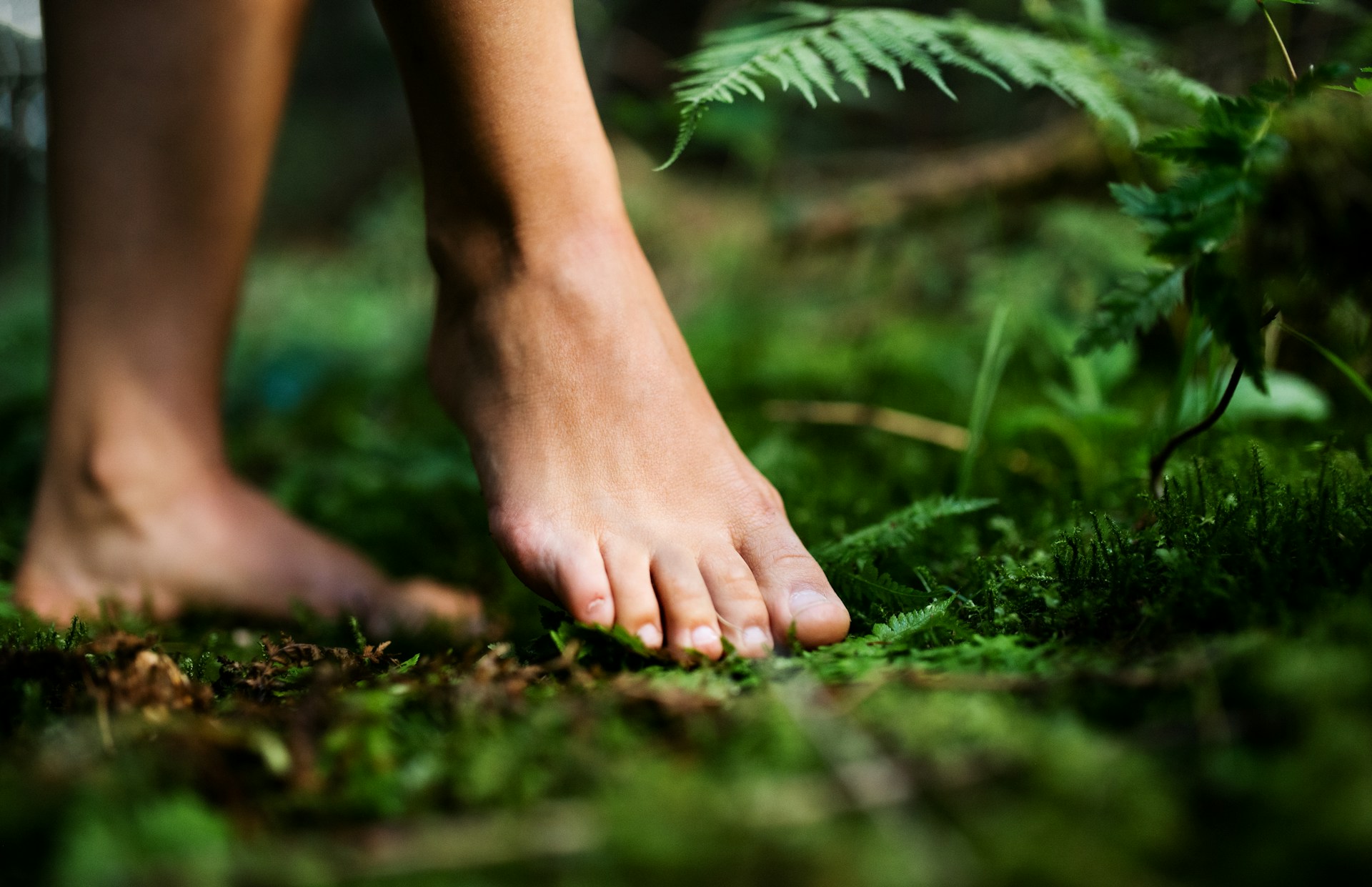
Standing for a while can make your feet swell because gravity affects how blood and fluid move through your lower legs. Being upright increases pressure in the small blood vessels in your feet and ankles, which allows some fluid to move into the surrounding tissue. That extra fluid is what creates the swelling.
Walking is a little different. Even though your feet are still below your heart, walking activates the calf muscles that help push blood back upward. When you’re standing in one place, those muscles aren’t doing nearly as much of that work, so fluid can collect more easily around your feet and ankles.
Your Calf Muscles Help Push Blood Back Up
Getting blood down to your feet is easier because it’s traveling with gravity. Getting it back toward your heart means working against gravity.
Your veins handle that return trip, and the muscles in your legs help. When you walk, your calf muscles repeatedly tighten and relax. Each contraction squeezes nearby veins and helps push blood upward. This is sometimes called the calf muscle pump.
When you’re standing in one place, that pump isn’t nearly as active. Blood is still circulating, but there’s less help moving it out of the lower legs. Pressure builds in the small blood vessels, making it easier for fluid to move into the tissue around them.
That’s why standing and walking aren’t quite the same thing, even though you’re upright for both.
Why Your Feet And Ankles Show It Most
Blood normally moves through tiny vessels called capillaries, where fluid is constantly moving between the bloodstream and the surrounding tissue. The body also has systems for collecting that fluid and returning it to circulation.
Standing shifts that normal balance. With gravity increasing pressure in the lower legs and less muscle movement helping blood travel upward, fluid can collect in the tissue faster than it’s being carried away. Because your feet and ankles are at the bottom of your body when you’re standing, that’s where the effect tends to be most noticeable.
So the swelling after standing isn’t about your feet doing too much work. It’s the result of being upright without much movement and the way your circulation responds to gravity.
This article is for informational purposes only and is not a substitute for professional medical advice.