
Why Do Fingers Turn White in the Cold
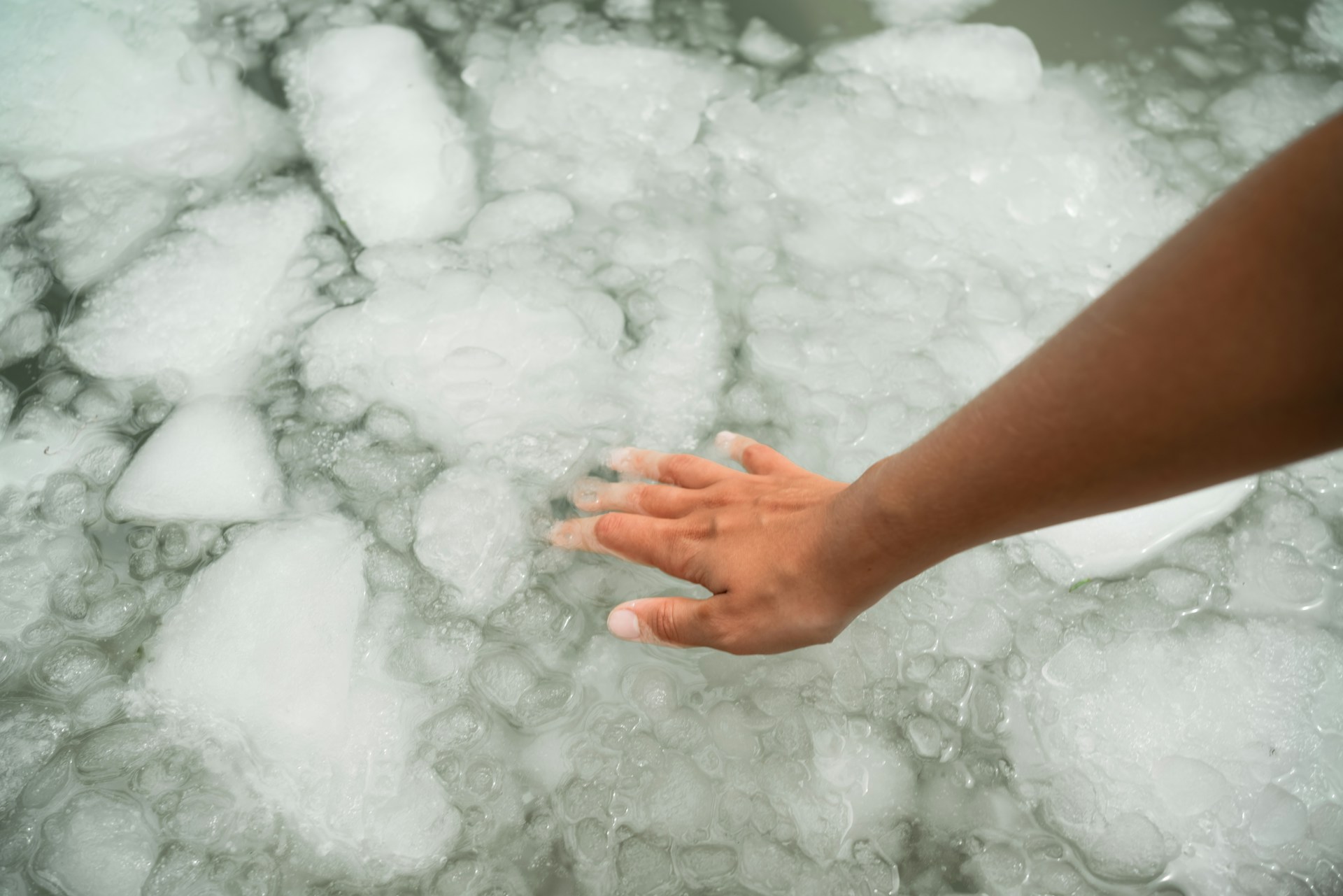
Fingers turn white in the cold because the body temporarily reduces blood flow near the skin to conserve heat. Small blood vessels in the fingers narrow in response to lower temperatures, causing less blood to reach the surface. Since blood gives skin much of its normal color, reduced circulation can make the fingers appear pale or white until blood flow increases again.
Cold causes blood vessels in the fingers to narrow
The fingers contain many small blood vessels close to the skin. When temperatures drop, the nervous system signals these vessels to narrow, a process called vasoconstriction.
This reduces the amount of warm blood reaching the fingers and helps limit heat loss from exposed areas. Because the fingers have less insulation than larger parts of the body, changes in blood flow can become visible more quickly.
Reduced blood flow changes the color of the skin
Skin color is partly influenced by the amount of blood moving through the small vessels near the surface. When those vessels narrow, less blood is visible through the skin, which can make fingers look white or pale.
The color change can vary depending on how much blood flow is reduced. Some fingers may appear slightly lighter, while others may look noticeably white. As the blood vessels relax and circulation increases, the normal skin color gradually returns.
In some cases, fingers may appear blue or red during different stages of changing blood flow. These color shifts reflect movement of blood through the skin rather than a change to the skin itself, similar to how veins look blue because of how blood and skin interact visually.
Cold affects fingers because they are exposed
Fingers are especially sensitive to temperature changes because they are small, exposed, and have many blood vessels near the surface. Cold air, cold water, ice, and other chilled surfaces can trigger this response.
The reaction can vary depending on the surrounding conditions. Some people may notice changes only in their fingertips, while others may see more of the hand affected. Similar temperature-related responses can also affect areas such as the nose, which may explain why the nose runs when it’s cold.
Similar color changes can have different causes
A temporary change in finger color from ordinary cold exposure can look similar to changes caused by Raynaud’s phenomenon, a condition where small blood vessels react more strongly to cold or stress. Both involve changes in how blood moves through the fingers, which can create similar color patterns.
The visible color alone does not explain the specific cause of the response.
Putting it all in context
Fingers turning white in the cold reflects the body’s response to lower temperatures. Small blood vessels narrow to reduce heat loss, which decreases the amount of blood visible near the skin and changes its color. This temporary adjustment is part of the body’s system for regulating temperature in response to cold.
Discover how physical processes work in everyday situations within the Health & Body category.