
Why Do Bruises Change Color?
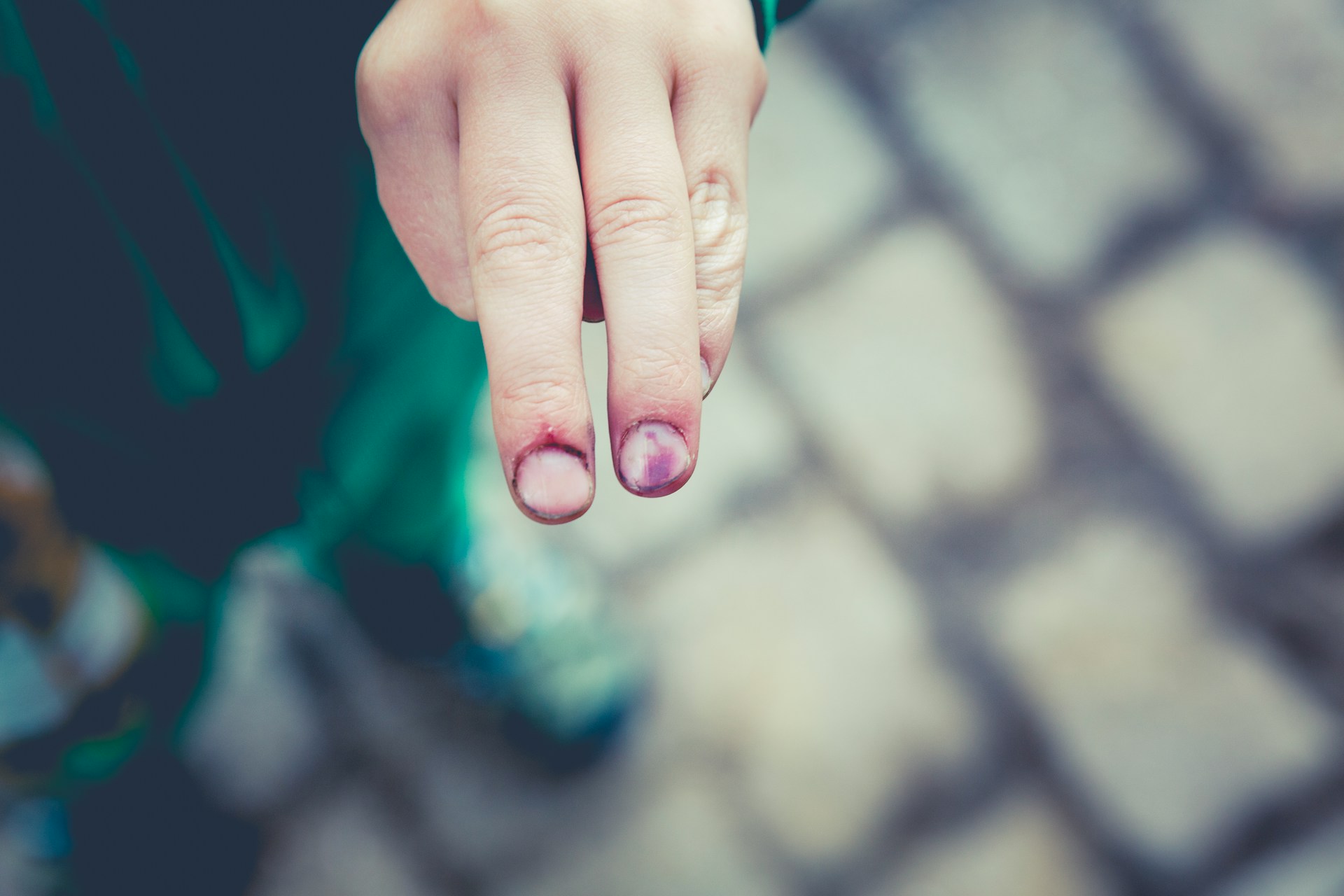
A bruise can be dark purple one day, green around the edges a few days later, and yellow when it barely hurts anymore. It looks like the bruise keeps becoming something different, but you’re actually seeing the same trapped blood at different stages of being cleaned up.
When you bump into something, tiny blood vessels beneath the skin can break. The blood that escapes spreads into the surrounding tissue, where it remains visible through the skin as a bruise.
The First Color Comes From Trapped Blood
Fresh blood gets much of its red color from hemoglobin, the protein inside red blood cells that carries oxygen. But blood beneath several layers of skin doesn’t necessarily look bright red. It can appear blue, purple, or nearly black depending on how deep it is, how much collected, and how light passes through the skin.
The bruise isn’t filled with blue blood. You’re seeing darker blood through living tissue, which changes the color that reaches your eyes.
That blood is no longer circulating, so the body gradually has to process it and clear it away.
Green And Yellow Are Part Of The Cleanup
Cells called macrophages move into the area and collect damaged cells and other debris. As they break down the hemoglobin in the leaked red blood cells, new pigments appear.
One is biliverdin, which is green. The body then converts it into bilirubin, which is yellow. Iron left behind from the hemoglobin can also give the bruise a brown or golden color before it disappears.
That’s why a bruise may become more colorful just as it starts feeling better. Green or yellow doesn’t mean it has turned into a different kind of injury. Those colors show that more of the original blood has been broken down.
Why Several Colors Can Appear Together
The cleanup doesn’t happen evenly across the whole bruise. One area may still contain a larger amount of relatively fresh blood while another is already farther along in the process.
That can leave a bruise with a dark center, green around part of the edge, and yellow farther out. Blood can also sit at different depths, changing how each area looks through the skin.
The color may remain after most of the soreness has faded. Repairing the injured tissue and removing every trace of leaked blood are related processes, but they don’t always finish together.
Bruises don’t follow a precise color schedule either. Some move through several obvious shades, while others simply grow lighter. Size, depth, location, skin tone, and the way the blood is distributed all affect what becomes visible. What the changing colors show is not the bruise’s exact age, but the body gradually clearing away the blood left behind by the original bump.
This article is for informational purposes only and is not a substitute for professional medical advice.