
Why Do Ears Ring
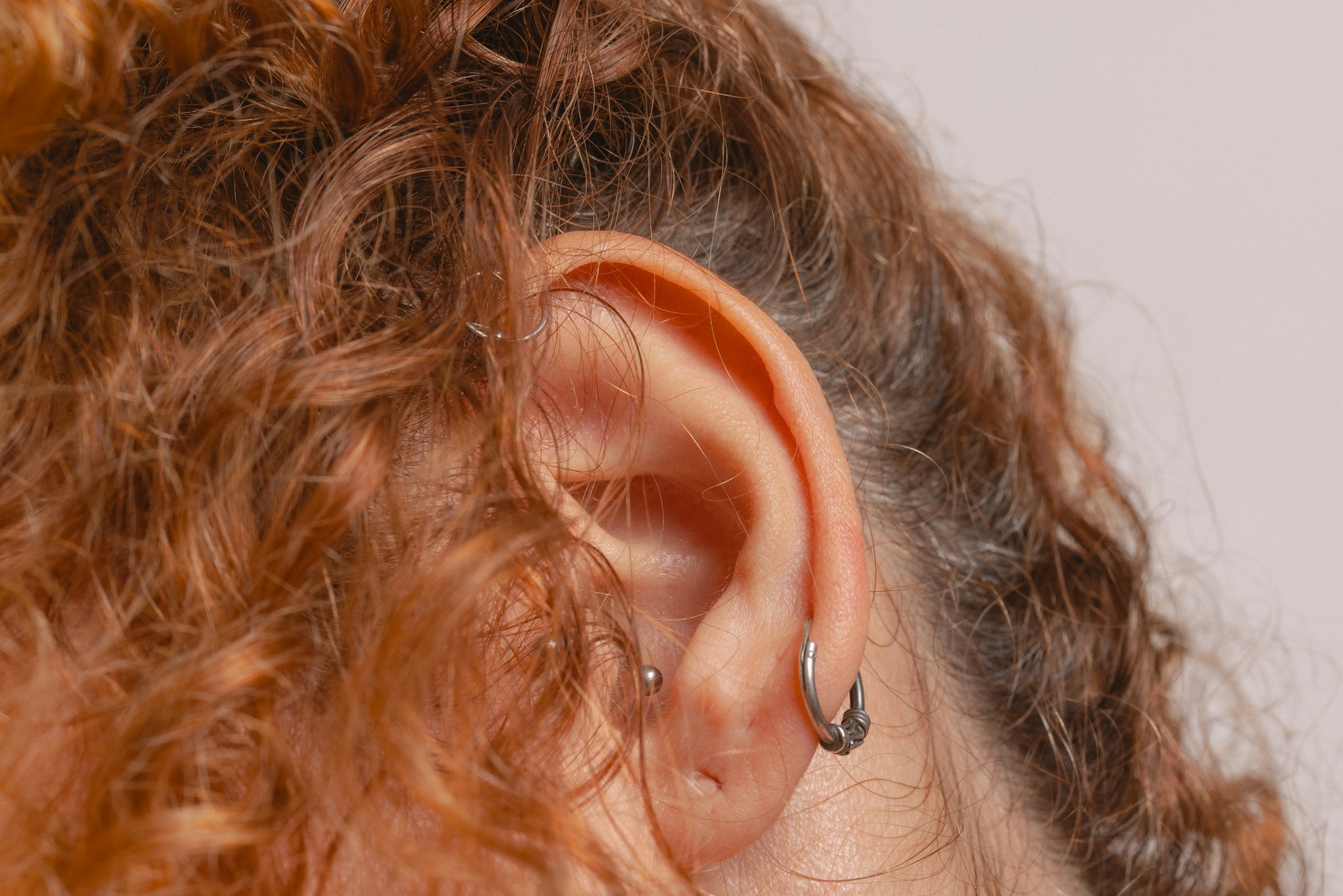
Ear ringing happens when the hearing system creates the perception of sound without an external source. The sound may be heard as ringing, buzzing, humming, hissing, or other noises, and it is commonly known as tinnitus. The experience occurs because the ears collect sound information and the brain interprets those signals. When the signals involved in hearing change, the brain can sometimes perceive sound even when the environment is quiet.
The hearing system can create sound without outside noise
Hearing begins when sound waves enter the ear and are converted into signals. Those signals travel through the hearing nerve to the brain, where they are processed and recognized as specific sounds.
When the pattern of hearing signals changes, the brain may interpret that activity as a sound even though there is no external source. The perceived noise is created during the process of interpreting hearing information rather than by something physically producing sound inside the ear.
Tinnitus is therefore a perception of sound rather than a sound coming from the environment. The same system that identifies voices, music, and other sounds can also produce the experience of ringing or another noise when the information being processed changes.
Different changes in hearing can contribute to ringing
Tinnitus does not have one single cause. Different factors that affect the hearing system can contribute to changes in how sound signals are processed. These can include exposure to loud sounds, changes in hearing sensitivity, earwax buildup, pressure changes, certain medications, and other conditions affecting the ears or hearing pathways.
A brief period of ringing may occur after a loud environment because the hearing system has been processing a large amount of sound. Changes in air pressure, such as those during flying, can also affect how the ears process sound and may occur alongside sensations such as ears popping or hearing becoming muffled after loud noise.
The perceived sound can vary from person to person
Tinnitus is often described as ringing, but the perceived sound can take many forms. Some people hear buzzing, humming, clicking, whistling, roaring, or hissing. The sound may seem to come from one ear, both ears, or from inside the head.
Changes in the information sent from the ears to the brain can influence the pitch, character, or quality of the sound that is perceived. This is why two people can experience tinnitus but describe different sounds.
The environment can also affect how noticeable the sound seems. Background noise can make an internally perceived sound less noticeable, while quieter surroundings can make it easier to hear.
Ringing does not always reflect the same change in the hearing system
Tinnitus describes the experience of hearing sound without an external source, but the changes that lead to that experience can differ. A common misunderstanding is that all ear ringing has the same underlying cause.
The ear collects sound information, while the brain interprets those signals as what a person hears. Because hearing depends on this connected process, changes anywhere within the system can affect sound perception.
Putting it all in context
Ear ringing reflects the way the hearing system processes sound information. When hearing signals change, the brain can create the perception of a sound without an outside source. Known as tinnitus, this experience can involve different sounds because hearing depends on the combined work of the ears, hearing nerve, and brain.
Discover how physical processes work in everyday situations within the Health & Body category.