
What Happens When Flights Are Overbooked
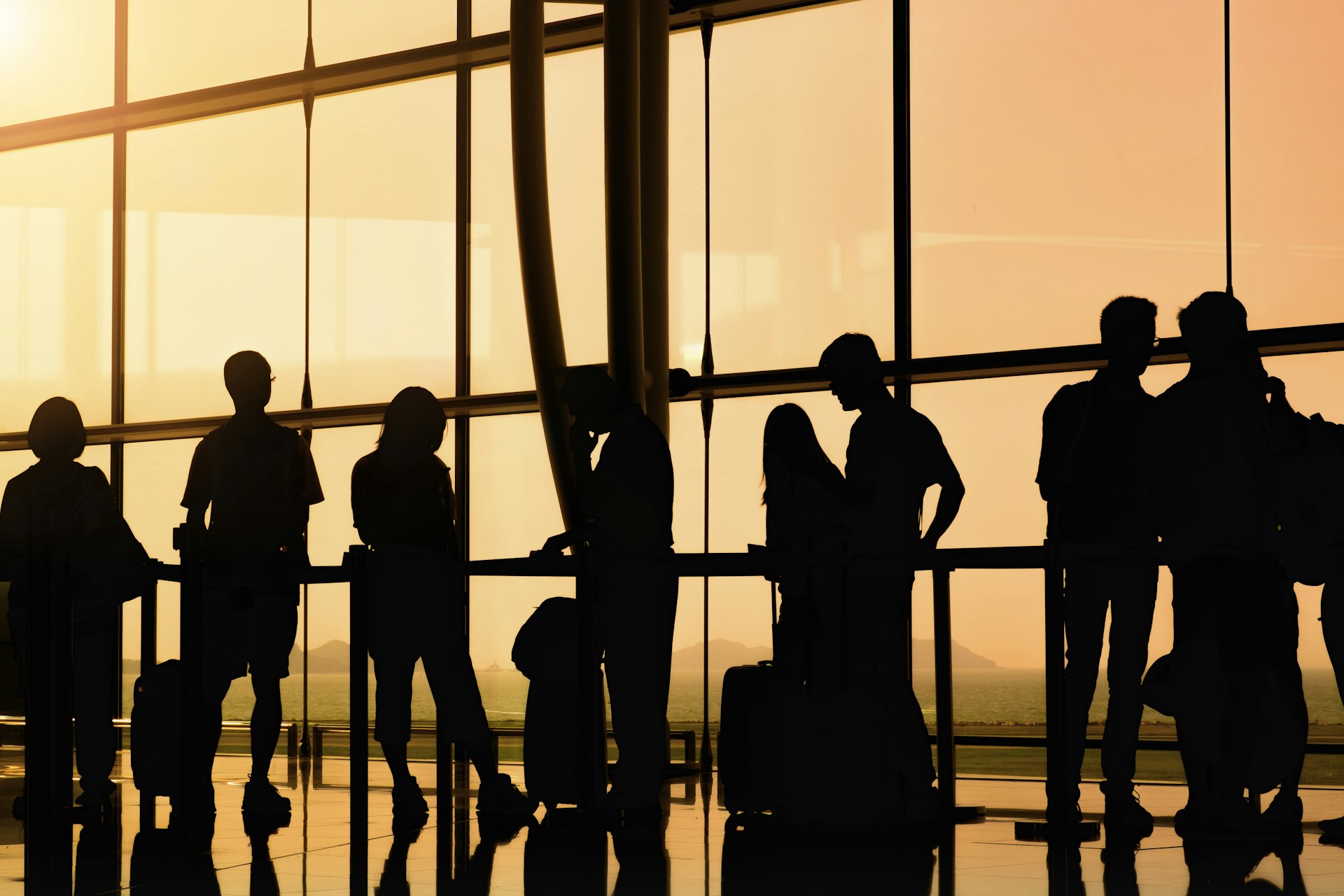
Airlines sometimes sell more tickets than there are seats on a plane. When that happens, the flight is considered overbooked. It can sound unusual at first, especially if the status appears during check in or at the gate. In practice, it is a routine part of how airlines manage seat inventory.
Many people search for what to do if my flight is overbooked because the phrase suggests a disruption. In operational terms, overbooking reflects a forecasting system. Airlines anticipate that a certain number of passengers will not board and adjust ticket sales accordingly.
Airlines rely on historical attendance patterns
On most flights, not every ticketed passenger arrives for departure. Some travelers cancel late, miss connections, or change plans. Over time, airlines collect data on these attendance patterns.
Using that data, airlines estimate how many seats are likely to go unused on a given route and time of day. To reduce empty seats, they may confirm more bookings than the aircraft’s seating capacity. This practice is built into reservation systems and revenue management models.
When predictions align with actual attendance, the flight departs with a full cabin and no visible changes. Overbooking only becomes noticeable when more passengers check in than expected.
The situation becomes visible at the gate
The first sign of an overbooked flight is often a gate announcement asking for volunteers. This step happens before any other adjustment. Airlines typically seek passengers who are willing to travel on a later departure.
If enough volunteers come forward, the passenger count matches the number of seats and boarding continues normally. When the number of volunteers is lower than needed, the airline proceeds according to its internal boarding priority rules.
At that point, a small number of passengers are reassigned to a different flight. The process is handled through the airline’s check in and boarding systems and follows established policy guidelines. In some cases, overbooking can overlap with other scheduling adjustments, such as when a flight is delayed, where operational timelines shift for different reasons.
Reservation systems monitor seat counts in real time
Airline reservation platforms track ticket sales, seat assignments, and check in activity as they occur. As passengers confirm their presence, the system updates the total number expected to board.
If that total exceeds available seats, airport staff coordinate with centralized scheduling tools. These systems evaluate booking categories, frequent flyer status, fare classes, and check in sequence. The criteria vary by airline but are defined in advance.
From an operational standpoint, overbooking is a capacity balancing mechanism. Staff adjust the passenger list so that the final boarding count matches the aircraft’s seating configuration. The aircraft, crew, and route remain unchanged.
An overbooked flight is not a safety or scheduling issue
It is common to associate the term overbooked with mechanical or weather related problems. In reality, it is unrelated to aircraft condition or air traffic control. Situations like turbulence involve atmospheric conditions during flight and are separate from booking or attendance management.
Overbooking is also not an error in the booking system. It is a deliberate practice based on statistical modeling. Because no show rates are generally predictable, most overbooked flights resolve without broad disruption.
A confirmed ticket represents a reservation on the flight, but final boarding depends on how many ticketed passengers are present. When attendance exceeds projections, the airline applies its predefined adjustment process.
Reassignment is usually limited to a small number of passengers
When changes are required, only the number of passengers exceeding seat capacity are moved to a later departure. Updated boarding documents are issued through the airline’s system, and the remaining passengers board as scheduled.
Airlines publish general information about denied boarding and compensation policies on their official websites. These materials outline how the process is structured within their operations.
For the majority of travelers, the experience of the flight remains unchanged. Overbooking is addressed as part of routine airport procedures designed to align confirmed attendance with available seating.
Putting it all in context
Overbooking reflects how airlines balance ticket demand with predictable attendance patterns. By confirming slightly more bookings than seats, carriers account for expected no shows. When more passengers arrive than projected, established systems adjust the final boarding list. In everyday airline operations, an overbooked flight is a standard inventory management practice, rather than an unexpected event.
There’s a whole process between arriving at the airport and reaching your destination. Explore more about flights, airports, airlines, baggage, and security.