
Why Do Hands Swell in Heat
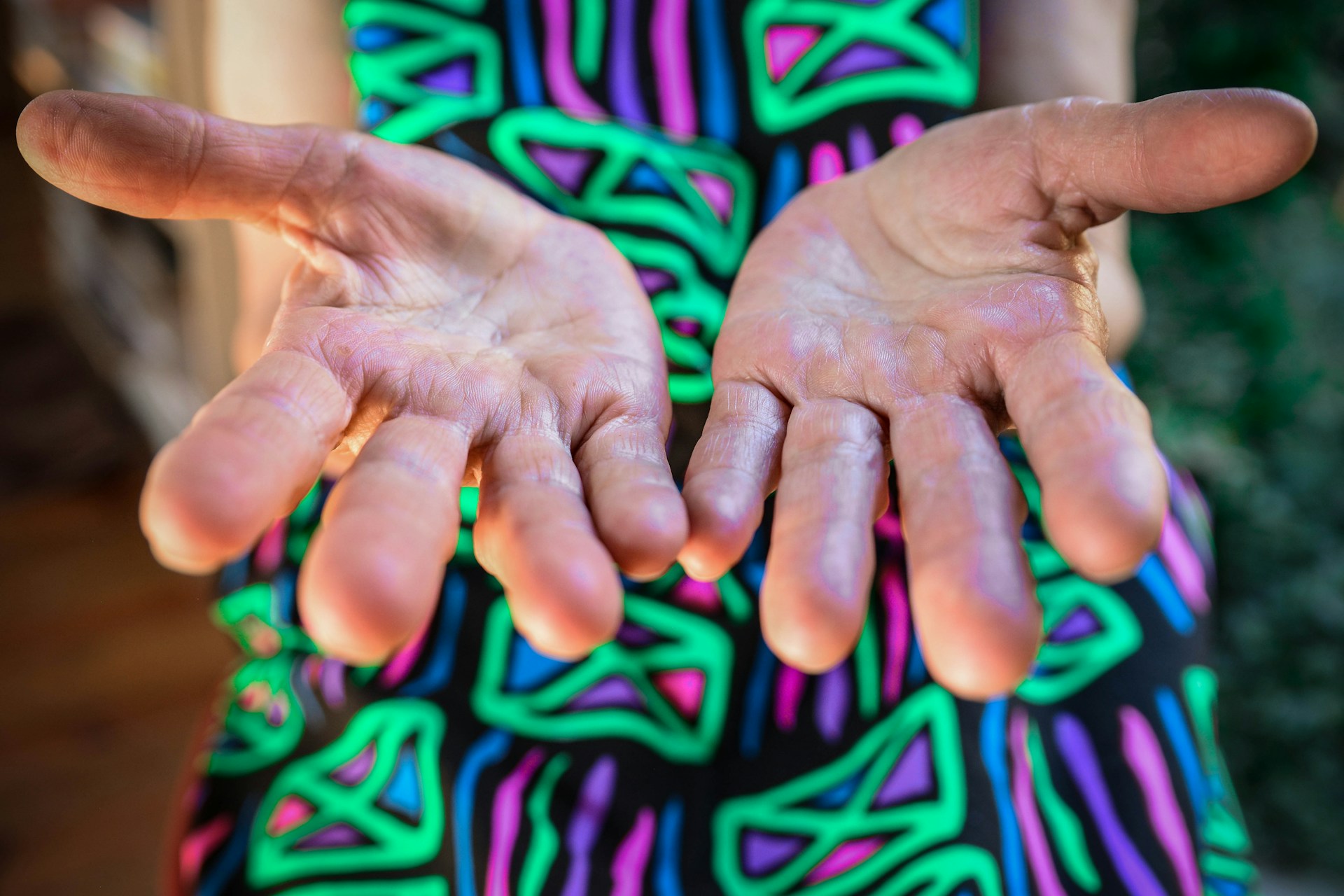
Hot weather can cause hands to swell because the body changes blood flow to help release excess heat. Blood vessels near the skin widen in warm conditions, allowing more warm blood to reach the surface. As this happens, a small amount of fluid can move into nearby tissues, making the hands and fingers appear fuller or puffy.
This temporary change is part of the body’s temperature regulation process. How noticeable it becomes can vary based on factors such as temperature, activity, circulation, and body position.
Warm temperatures change blood vessel behavior
When the body is exposed to heat, blood vessels near the skin expand to increase blood flow close to the surface. This allows heat carried in the blood to move outward so it can be released.
The hands can show this change clearly because they contain many small blood vessels and soft tissues. A small increase in fluid around these tissues can make fingers appear swollen or cause rings to fit more tightly.
This type of temporary swelling is sometimes called heat edema.
Fluid shifts are affected by circulation and gravity
The body constantly moves fluid between the bloodstream and surrounding tissues. The lymphatic system helps collect extra fluid from tissues and return it to circulation, maintaining the body’s normal fluid balance.
During heat exposure, more fluid can move into nearby tissues as blood vessels widen. Gravity also influences where that fluid gathers, which is why heat-related swelling can appear in areas such as the hands, feet, or ankles.
Body position affects which areas show the change most clearly. Hands held lower for extended periods can be more affected because fluid naturally shifts downward.
Environment influences how noticeable swelling becomes
The amount of swelling during warm conditions is not always the same. Temperature, humidity, physical activity, and time spent standing or walking can influence how much fluid movement occurs.
Heat exposure during activities, travel, or extended periods outdoors can make temporary swelling easier to notice. Differences in circulation and individual body responses also affect how visible the change becomes.
Heat-related swelling is a temporary fluid movement
Heat-related hand swelling is sometimes described as water retention, but the process is more specific. The visible change comes from fluid temporarily moving into tissues near blood vessels rather than the body simply storing extra water throughout the body.
This reflects the interaction of circulation, the lymphatic system, and temperature regulation. Together, these systems adjust blood flow and fluid movement as the body responds to warmer conditions.
Putting it all in context
Hands can swell in heat because warmer temperatures change how blood vessels and fluid move through the body. The resulting puffiness comes from a temporary shift of fluid near the tissues as part of the body’s temperature regulation process. The amount of swelling varies with conditions such as temperature, movement, circulation, and body position.
Discover how physical processes work in everyday situations within the Health & Body category.