
Why Do Nails Become Brittle
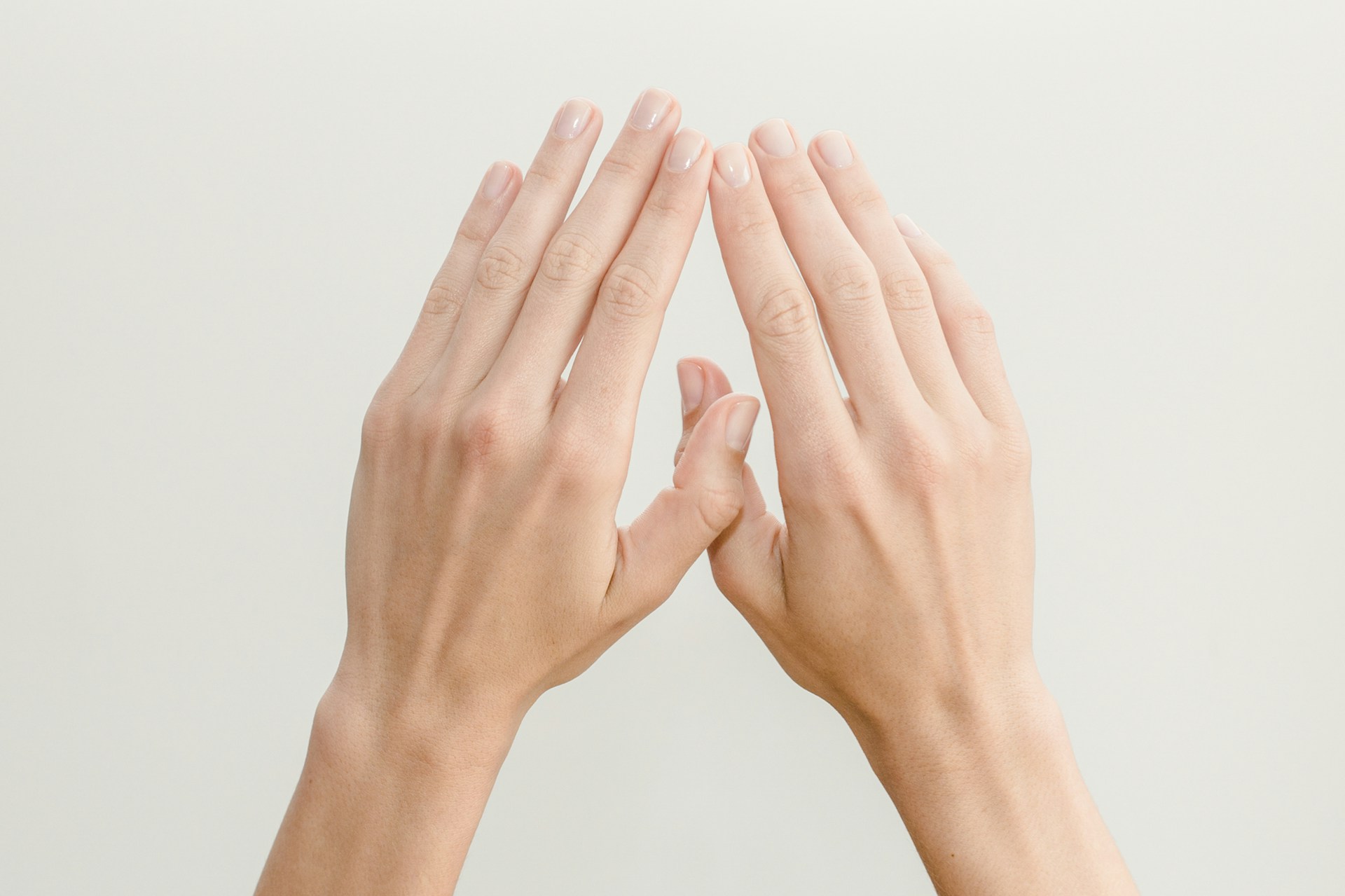
Nails become brittle when they lose some of their normal strength and flexibility, making them more likely to split, peel, crack, or break. This usually happens because the keratin layers that form the nail gradually become less resilient as the nail ages and is repeatedly exposed to everyday conditions that affect its moisture balance. While several factors can contribute, brittle nails are most often the result of gradual wear rather than a single specific cause.
Nails stay strong because their layers remain connected
Fingernails are made mostly of keratin, a tough protein that also forms hair and the outer layer of skin. Although a nail looks like one solid piece, it is made of many thin layers of keratin pressed tightly together.
When those layers stay firmly bonded, the nail remains smooth and flexible. As the bonds between them weaken, the layers can begin to separate. That makes the nail more likely to peel, split, or develop small cracks instead of bending without damage.
Everyday exposure gradually changes the nail
After a nail forms, the visible nail plate cannot repair itself because it is made of nonliving tissue. As it grows outward, everyday exposure gradually changes the layers that were formed beneath the skin.
Water is one of the most common influences. Nails absorb water and then release it as they dry. Repeated cycles of swelling and shrinking may weaken the bonds between the keratin layers over time. Frequent contact with soaps, cleaning products, or solvents can also reduce the nail’s natural flexibility by removing oils from its surface. Similar exposure to water also contributes to why fingers wrinkle.
Small impacts from typing, opening containers, gardening, or other daily activities can gradually weaken the nail, even when no single event causes noticeable damage.
Nail growth can reflect changes in the body
Nails often become more brittle with age. As people get older, nail growth may slow, and the balance of moisture and natural oils within the nail can change. These gradual changes can make the nail plate less flexible than it was earlier in life.
Other factors may also influence the quality of newly formed nail tissue. Certain skin conditions, nutritional deficiencies, medications, hormonal changes, and some medical conditions can affect how new nail material develops beneath the skin. Because nails grow slowly, those changes may not become visible until the affected portion gradually grows outward.
Putting it all in context
Brittle nails develop when the keratin layers that make up the nail plate gradually lose some of their strength and flexibility. In many cases, this reflects the combined effects of normal aging, repeated exposure to water and other everyday conditions, and changes in newly formed nail tissue as it grows outward. Rather than resulting from a single event, brittle nails usually develop through gradual changes in the nail’s structure over time.
Discover how physical processes work in everyday situations within the Health & Body category.