
What Happens When a Flight Is Canceled
Air travel runs on fixed schedules, but cancellations are a routine part of how airline systems operate. When a flight is canceled, that specific trip is removed from the schedule and replaced with other available options across the airline’s network. Understanding what happens when a flight is canceled starts with how airlines adjust their schedules and move passengers when a flight no longer operates.
When a flight is canceled, that specific trip is removed from the schedule
A flight cancellation means the aircraft will not depart at all for that route and time. Unlike a delay, where the same flight is pushed later, a cancellation removes that flight entirely.
Airlines treat this as a schedule change rather than a pause. The original flight number typically no longer applies for that day, and the system begins shifting passengers onto other available flights. The original plan is replaced rather than adjusted.
You’ll usually see the schedule update almost immediately
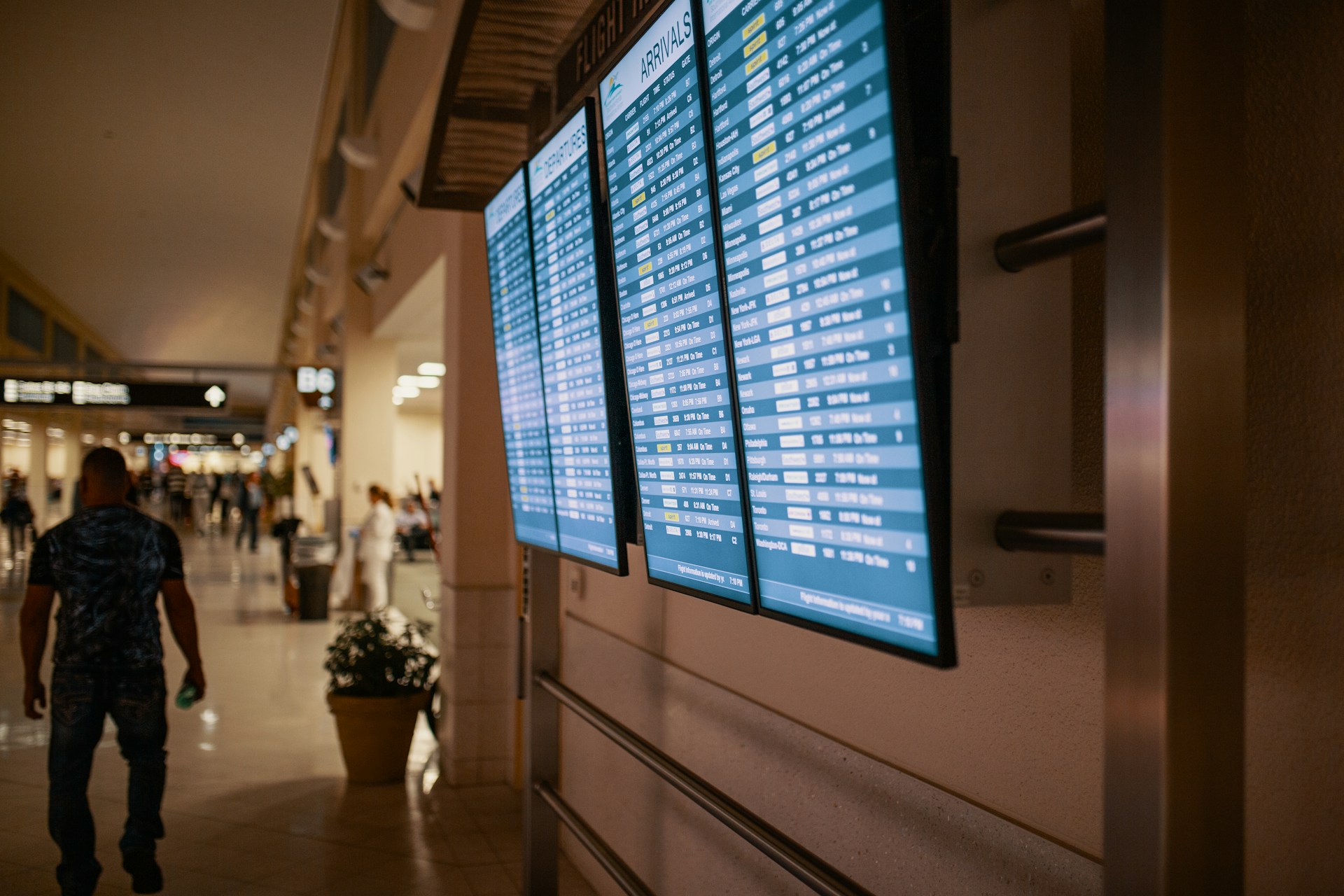
Cancellations often appear first as changes on departure boards or in airline systems. A listed flight may disappear, be marked as canceled, or be replaced with updated routing details.
Passengers from the same flight are then distributed across different flights, sometimes at different times or on different routes. Seat assignments and boarding details may change as new flights are assigned.
At busy airports, these changes can spread outward. Nearby flights begin to fill more quickly, and visible activity increases as multiple flights absorb the change. Even though one flight is canceled, the effects extend across the surrounding schedule.
The system begins reassigning passengers across other flights
When a flight is removed, airline systems immediately begin placing passengers onto other flights with open seats. These flights may follow the same route or connect through different airports.
This reassignment often happens automatically. The system scans available flights and assigns passengers based on seat availability, routing, and timing. Updated flight details then appear within the reservation.
Airlines also use their broader network, including partner flights when needed. Because flights are interconnected, one cancellation triggers a series of coordinated adjustments across multiple routes. This process is similar to how schedules shift during a flight delay, where timing changes ripple across nearby departures.
Most cancellations come down to how things are running that day
Flight cancellations are tied to how the overall system is functioning. Weather is a common factor, especially when it affects airport operations or safety. Mechanical issues, crew availability, and air traffic limits can also lead to cancellations.
In many cases, the decision is made before departure to keep the schedule from falling further out of sync. In other situations, a cancellation follows earlier delays when it becomes clear the flight cannot operate.
From a system perspective, removing one flight helps stabilize the rest of the schedule. This prevents delays from spreading across multiple flights later in the day.
It applies to that flight, not the entire trip
A canceled flight does not usually mean the entire trip is removed. The cancellation applies to that specific flight segment within a larger itinerary.
The rest of the trip typically remains active, and the system works to reconnect it using other flights. This can result in different departure times, connections, or routes, but the overall trip continues within the system. In some cases, these adjustments are similar to when an airline changes your flight, where the itinerary is updated but the trip itself continues.
Passengers from a canceled flight are not moved as a single group. They are distributed across multiple flights based on available space, which is why outcomes can vary even among people on the same original flight.
What happens next depends on the rest of the schedule
The outcome after a cancellation depends on how many alternative flights are available within the network. In locations with frequent service, passengers are often spread across several nearby flights. In areas with fewer departures, spacing between available flights is wider.
Each reassignment reflects how the system balances aircraft, crew, and passenger capacity across the schedule. The process is continuous, with flights and passengers shifting to keep the network moving.
The overall pattern remains consistent. The system does not stop when a flight is canceled. It reorganizes around the missing flight and continues operating.
Putting it all in context
A canceled flight is a standard part of how airline systems manage changing conditions. Instead of stopping travel entirely, the system removes one flight and redistributes passengers across others. This keeps the broader schedule functioning, even as individual flights are adjusted or replaced.
There’s a whole process between arriving at the airport and reaching your destination. Explore more about flights, airports, airlines, baggage, and security.