
Why Do We Blink More When Tired
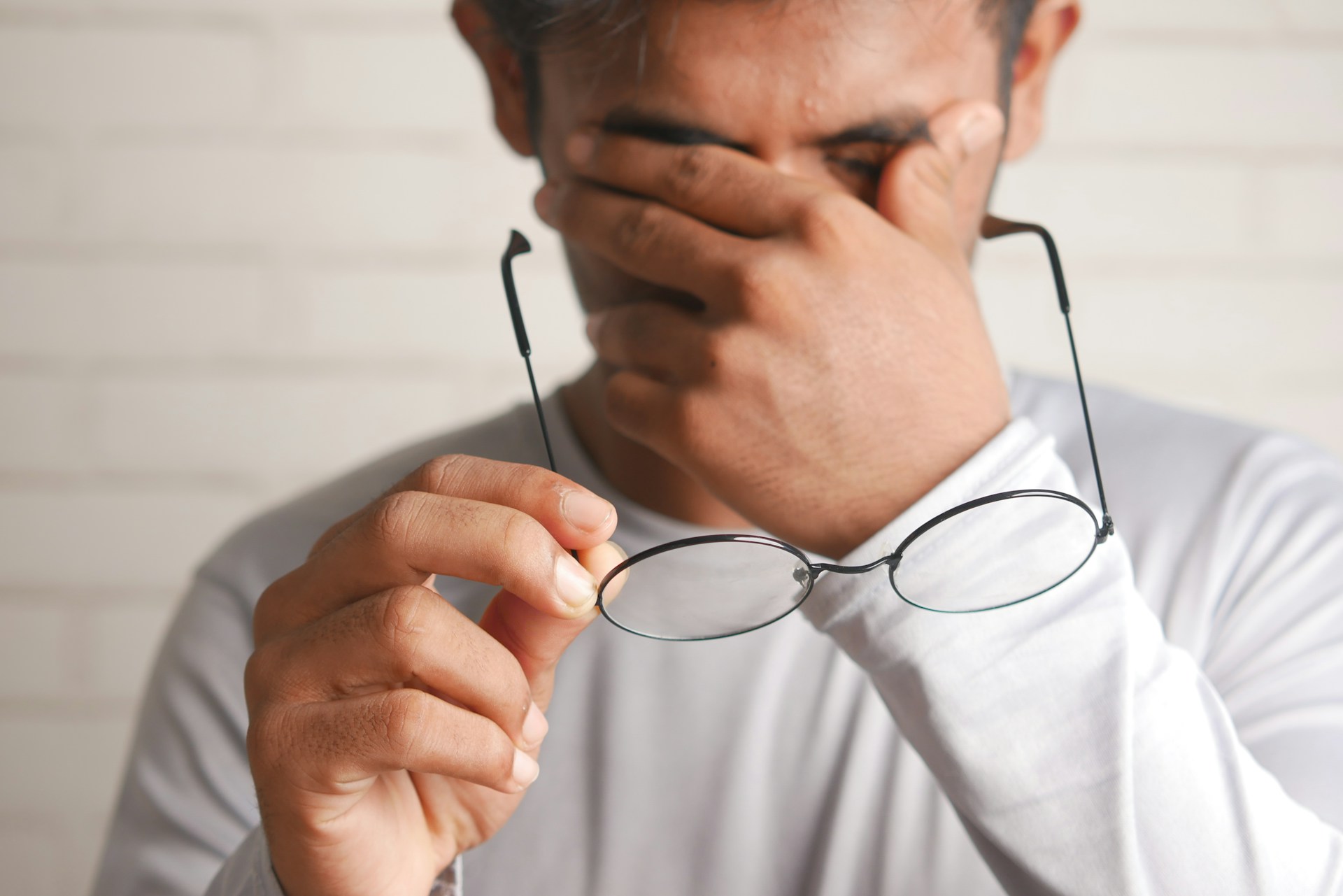
Blinking often becomes more frequent or lasts slightly longer when a person is tired because the brain changes how it controls the eyelids as alertness decreases. At the same time, the tear film that coats the eyes may become less stable, so blinking more often helps spread tears across the surface of the eye. These changes work together to protect the eyes as the body naturally transitions toward sleep.
Alertness affects how the brain controls blinking
Blinking is mostly automatic. The brain constantly adjusts when and how often the eyelids close based on signals from the eyes and the body’s level of alertness.
As tiredness increases, these signals change. Blinks often become more frequent, and each blink may remain closed for slightly longer than usual. Researchers measure these changes because they are closely linked to decreasing alertness and the body’s natural progression toward sleep.
Blinking keeps the surface of the eye protected
Each blink spreads a thin layer of tears across the front of the eye. This tear film keeps the surface smooth, helps wash away tiny particles, and slows moisture from evaporating.
When someone is tired, the tear film may become less stable between blinks. Blinking more often refreshes this protective layer by spreading tears across the eye, which is one reason increased blinking is a normal response to fatigue.
Focus and the environment can also affect blinking
Tiredness is only one factor that changes blinking. Activities that require steady visual attention, such as reading or using a computer, often reduce blinking for short periods. Once that concentrated focus ends, blinking may temporarily increase as the tear film is redistributed across the eyes.
Environmental conditions, including dry air and bright light, can also increase blinking. Bright light may also make the eyes water, making the change in blinking more noticeable.
More blinking does not always mean greater tiredness
People naturally blink at different rates, so there is no single pattern that applies to everyone. The increase associated with tiredness can also vary depending on the situation, how long someone has been awake, and other factors affecting the eyes.
For that reason, blinking by itself is not a precise measure of fatigue. Instead, it is one of several normal changes that occur as the brain and eyes respond to decreasing alertness. Fatigue may also contribute to eyelid twitching, although that is a separate response involving the eyelid muscles.
Putting it all in context
Blinking is an automatic process that protects the eyes while supporting clear vision. As alertness decreases, the brain adjusts how the eyelids move, and the tear film needs more frequent refreshing. More frequent or slightly longer blinks reflect the way these systems work together to keep the surface of the eye protected as the body’s level of wakefulness naturally changes.
Discover how physical processes work in everyday situations within the Health & Body category.