
What Does It Mean When Your Bag Is Gate Checked
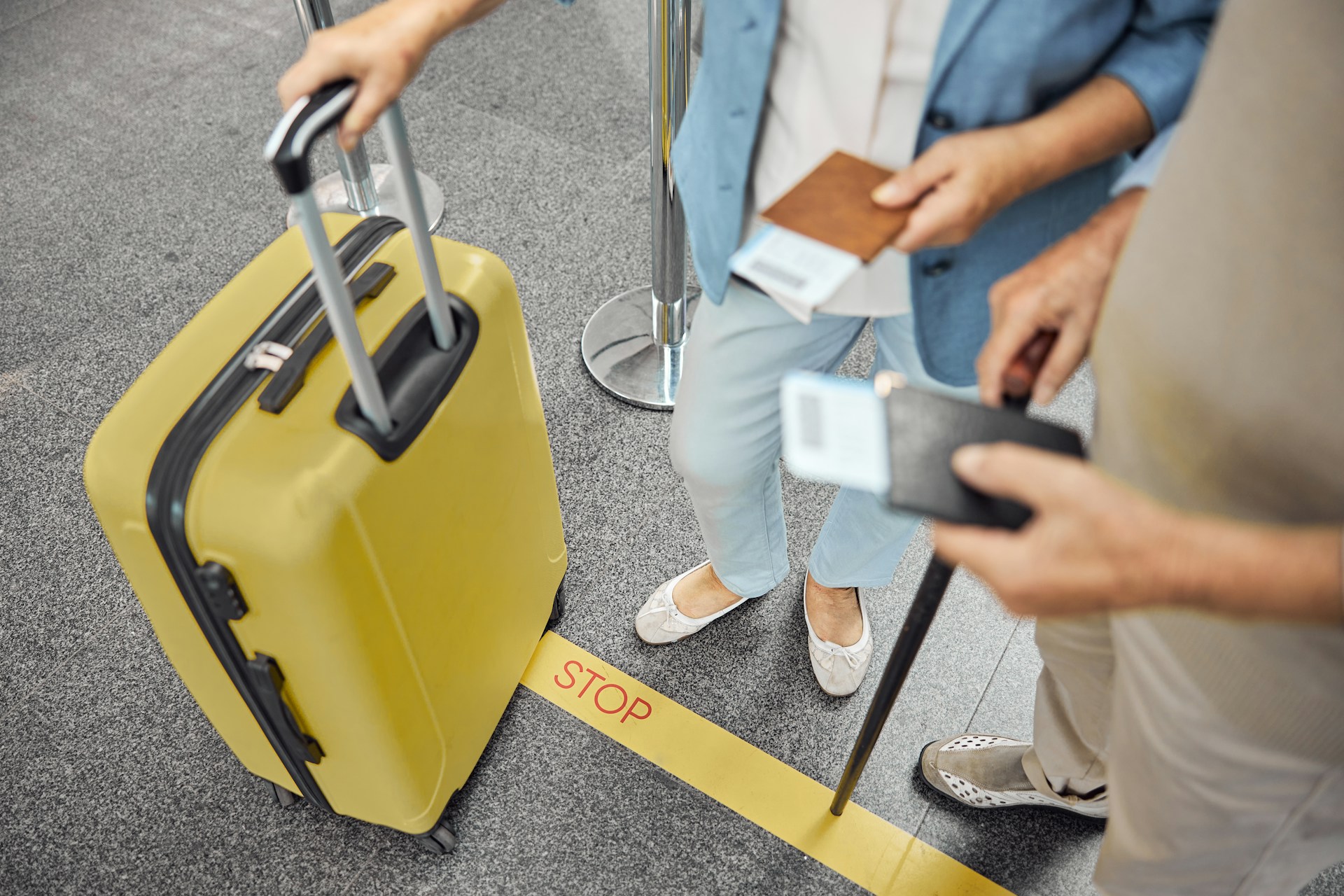
When your bag is gate checked, a carry-on item is taken at the boarding gate and placed in the aircraft’s cargo hold instead of being stored in the cabin. This usually happens because the overhead bins are full or the plane has limited storage space. The bag travels on the same flight and is returned after landing, either at the jet bridge or at baggage claim.
Gate checking is a routine part of airline operations when there is not enough room in the cabin for every carry-on bag.
Your carry-on is going under the plane
A gate-checked bag starts out as a carry-on that was expected to stay with you during the flight. Shortly before boarding, airline staff attach a baggage tag and collect the bag at the gate.
From that point on, the bag is treated like checked luggage for that flight. It is loaded into the cargo hold, transported to the destination airport, and returned after the plane lands.
The only real change is where the bag is stored during the flight.
This usually happens once the airline sees how much space is left
The decision to gate check bags is typically made as boarding begins. At that point, the airline can see how many passengers are carrying larger bags and whether the remaining overhead space will be enough.
This happens most often on full flights, on regional jets, and on aircraft with smaller overhead bins. It can also happen late in boarding when most available storage space has already been used.
A bag may be gate checked even if it meets the airline’s carry-on size limits. The issue is often available space, not the size of the bag itself.
The bag goes through the same handling process as checked luggage
After the bag is tagged, ground crews load it into the cargo hold along with the rest of the aircraft’s luggage.
Once the flight arrives, the bag is unloaded and returned according to the airline’s procedures. On some flights, gate-checked bags are brought to the jet bridge near the aircraft door. On others, they are sent to the baggage carousel with all other checked bags.
This is similar to what happens when baggage is delayed, except that the bag is still traveling on the scheduled flight and follows the normal handling process.
Gate checking does not mean the bag was rejected
A common misunderstanding is that gate checking means something is wrong with the bag. In most cases, the bag was perfectly acceptable as a carry-on, but there was not enough room left in the cabin.
Another assumption is that gate checking automatically leads to a baggage fee. When the airline requires the bag to be checked because storage space is limited, there is often no additional charge.
It is also easy to assume the bag will always be waiting just outside the aircraft. Depending on how the airline handles baggage at that airport, it may instead be sent to regular baggage claim.
This is one way airlines keep boarding moving
Overhead bin space is limited and varies by aircraft type. When the number of larger carry-on bags exceeds that capacity, some bags have to be moved to the cargo hold.
Gate checking allows airline staff to clear the aisle and complete boarding without passengers continuing to search for open bin space. It also works alongside the airline’s boarding group process, which determines the order in which passengers enter the aircraft and access available bin space.
For airlines, gate checking is a practical way to match the amount of cabin storage to the number of carry-on bags on a particular flight.
Putting it all in context
When your bag is gate checked, a carry-on item is collected at the gate and placed in the cargo hold because there is not enough room in the cabin. The bag travels on the same flight and is returned after landing. Gate checking is a standard airline process used when overhead bin space runs out.
There’s a whole process between arriving at the airport and reaching your destination. Explore more about flights, airports, airlines, baggage, and security.