
Why Do Our Hands Shake
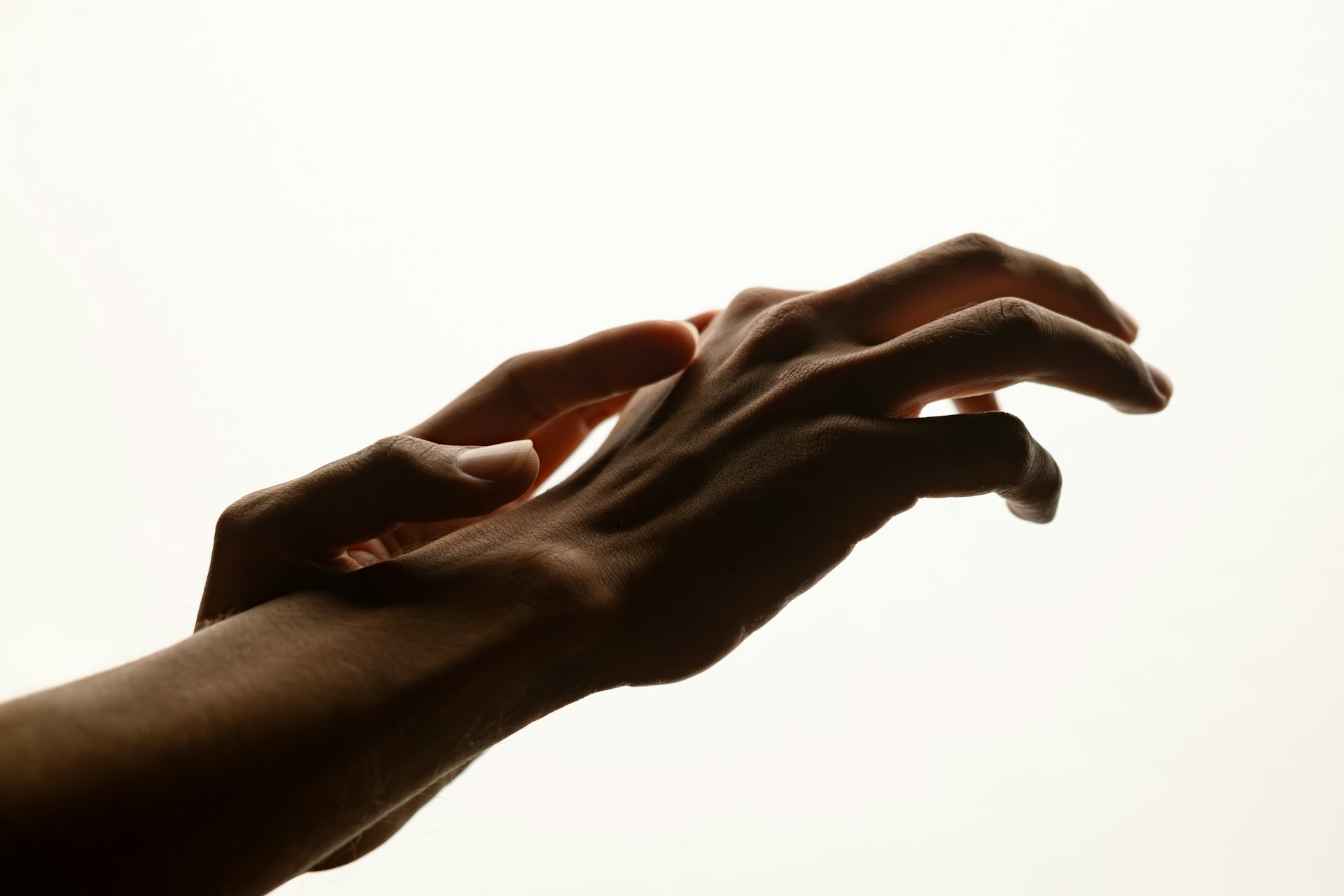
Small, rhythmic movements in the hands happen because muscles are controlled by signals traveling between the brain, nerves, and muscles. These signals are never perfectly still, so everyone has a tiny natural tremor that is usually too slight to notice. Shaking becomes more visible when those signals are amplified or when the muscles must make more frequent corrective adjustments to maintain steady movement.
The brain is constantly making tiny corrections
Even when a hand appears completely still, the muscles are making countless tiny adjustments to hold their position. The brain continually sends signals through the nervous system to coordinate these movements, while information from the muscles and joints helps refine them.
This constant feedback keeps hand movements smooth enough for everyday tasks such as writing, holding a cup, or using a phone.
Certain conditions make the natural tremor easier to see
A slight tremor often becomes more noticeable when the nervous system becomes more active than usual. Stress, excitement, fear, and other strong emotions can increase the release of hormones that prepare the body for action, making the brain send stronger signals to the muscles and allowing the natural tremor to stand out more clearly.
Fatigue can have a similar effect because tired muscles require more frequent corrective adjustments to maintain precise movement. Holding an object firmly or performing delicate tasks can also make the tremor easier to notice because the muscles are continuously making small corrections to stay on target. After strenuous activity, muscles shake after exercise for a similar reason, as tired muscles temporarily become less precise in their movements.
Caffeine and some medications may temporarily increase shakiness by stimulating the nervous system. In each case, the movement is usually the same natural tremor becoming easier to see rather than a different type of motion appearing.
Not every tremor behaves the same way
The natural tremor present in everyone is only one type of hand movement. Some tremors are more noticeable because the nervous system controls movement differently. For example, essential tremor commonly affects the hands during activities such as writing or holding an object, while other neurological disorders produce different patterns of shaking.
Although these tremors have different causes, they all result from changes in how the brain, nerves, and muscles coordinate movement rather than from a completely different movement mechanism. Similar changes in nerve signaling also explain why muscles twitch or why hands or feet fall asleep under different circumstances.
Putting it all in context
Hand shaking reflects the continuous communication between the brain, nerves, and muscles that keeps movement precise. A tiny natural tremor is always present, but it becomes more visible when the body makes stronger or more frequent adjustments to maintain control. The amount of shaking varies because the nervous system is constantly coordinating even the smallest movements.
Discover how physical processes work in everyday situations within the Health & Body category.